Tesla’s top rival launches self-driving with full crash coverage at a fraction of the cost
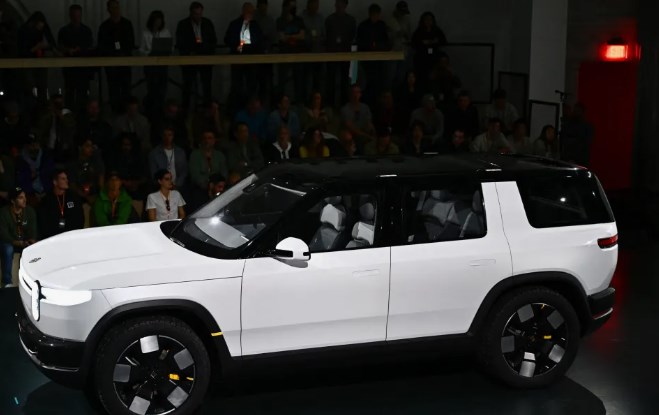
Tesla’s top rival launches self-driving with full crash coverage at a fraction of the cost – The race to dominate the future of autonomous driving has entered a fascinating new chapter. While Tesla has long positioned itself as the leader in self-driving technology, one of its strongest competitors is making a bold move that could reshape the industry.
Chinese electric vehicle giant BYD has officially launched an advanced self-driving system that not only comes at a significantly lower cost than Tesla’s offerings but also includes something many drivers have been waiting for: comprehensive crash coverage. This development is turning heads across the automotive world and raising an important question—could affordable autonomy finally become mainstream?
A New Challenger Emerges
For years, Tesla has been the most recognizable name associated with self-driving technology. The company’s Full Self-Driving (FSD) package has been one of its most ambitious projects, promising increasingly autonomous driving capabilities through software updates and artificial intelligence. However, Tesla’s advanced driving package comes with a hefty price tag. Depending on the market, customers often pay thousands of dollars extra to access FSD features.
BYD, already the world’s largest electric vehicle manufacturer by sales volume, is taking a different approach. Rather than positioning self-driving as a premium luxury feature, the company is aiming to bring advanced driver-assistance technology to a much broader audience.
Its newly launched autonomous driving platform offers sophisticated capabilities while keeping vehicle prices far below comparable Tesla models. Even more importantly, BYD is backing its technology with crash coverage, helping to address one of the biggest concerns consumers have about self-driving systems: responsibility in the event of an accident.
Why Crash Coverage Matters
One of the most significant barriers to public trust in autonomous vehicles has always been liability. When a human driver causes an accident, determining fault is relatively straightforward. But when advanced software is involved, questions quickly become more complicated. Was it the driver? The vehicle? The software developer?
Many consumers have hesitated to fully embrace self-driving technology because of this uncertainty. BYD’s decision to include crash coverage changes the conversation. By standing behind its autonomous driving technology, the company sends a powerful message that it has confidence in the system’s reliability and safety.
For potential buyers, this added layer of protection could reduce anxiety and encourage adoption. Drivers may feel more comfortable experimenting with autonomous features when they know the manufacturer is willing to share responsibility. In an industry where trust is just as important as innovation, this move could prove to be a major competitive advantage.
Making Self-Driving More Affordable
Perhaps the most disruptive aspect of BYD’s strategy is pricing. Historically, advanced autonomous driving systems have been associated with expensive vehicles and premium trim levels. Tesla, Mercedes-Benz, BMW, and other automakers have often reserved cutting-edge driver-assistance features for higher-end models. BYD is attempting to break that pattern.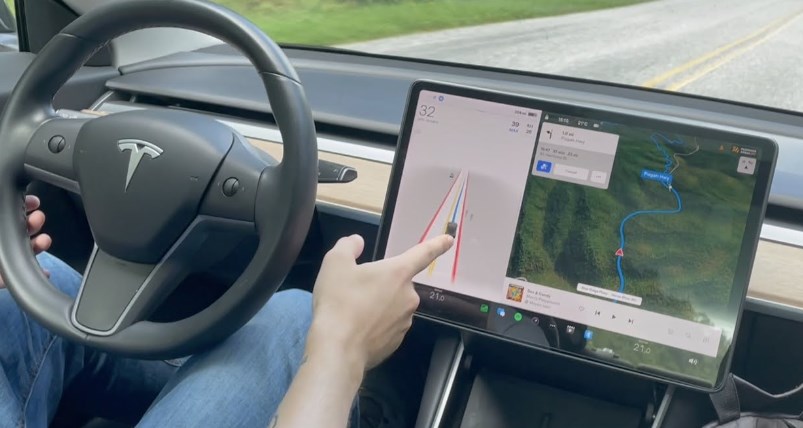
The company has increasingly integrated advanced technology into vehicles that are accessible to average consumers. Rather than treating autonomy as an exclusive luxury, BYD is positioning it as a standard feature that can benefit millions of drivers.
This strategy aligns with BYD’s broader philosophy. The company has built its global success by offering competitive technology at aggressive price points. From affordable electric cars to advanced battery systems, BYD has consistently challenged the notion that innovation must come with a premium cost. The launch of its self-driving platform appears to be a continuation of that approach. Tesla’s top rival launches self-driving with full crash coverage at a fraction of the cost
Tesla Faces Growing Pressure
Tesla remains a dominant force in the EV market, but competition has intensified dramatically over the past few years. Chinese manufacturers, in particular, have emerged as formidable rivals. Companies such as BYD, NIO, XPeng, and Li Auto have invested heavily in electric vehicles, software development, and autonomous driving technologies. Among these competitors, BYD stands out because of its scale.
The company produces everything from batteries and semiconductors to complete vehicles, giving it significant control over costs and supply chains. This vertical integration allows BYD to introduce advanced features while maintaining competitive pricing.
As Tesla continues to pursue its vision of fully autonomous transportation, BYD’s latest move highlights an increasingly important reality: technological leadership alone may not be enough. Affordability, accessibility, and consumer confidence are becoming equally critical factors. If buyers can access advanced self-driving capabilities at a lower cost—and with additional protection against accidents—they may begin to view BYD as a compelling alternative.
The Growing Importance of Autonomous Driving
Autonomous driving is no longer just a futuristic concept. It is rapidly becoming one of the most important battlegrounds in the automotive industry. Automakers see self-driving technology as a major source of future revenue. Advanced software features can generate recurring income through subscriptions, upgrades, and premium services. At the same time, autonomy has the potential to transform transportation by reducing accidents, improving traffic flow, and making driving more convenient. Tesla’s top rival launches self-driving with full crash coverage at a fraction of the cost
The challenge has always been balancing innovation with safety. Consumers want vehicles that can assist with driving tasks, but they also expect reliability. Every high-profile accident involving autonomous technology attracts significant attention and can influence public perception. This is why BYD’s inclusion of crash coverage is so noteworthy. Rather than simply marketing advanced features, the company is addressing one of the key emotional concerns surrounding self-driving technology. By reducing uncertainty, BYD may help accelerate broader acceptance of autonomous systems.
China’s Growing Influence in Automotive Innovation
The rise of BYD also reflects a broader shift in the global automotive landscape. For decades, innovation in the automotive industry was largely associated with companies from the United States, Germany, and Japan. Today, Chinese manufacturers are increasingly setting the pace in electric mobility and smart vehicle technologies.
China’s domestic market has become a testing ground for advanced transportation solutions. Consumers have shown strong interest in connected vehicles, AI-powered features, and electric mobility, creating an environment where innovation can develop rapidly. Tesla’s top rival launches self-driving with full crash coverage at a fraction of the cost
As a result, companies like BYD have gained valuable experience and scale, allowing them to compete aggressively on the international stage. The introduction of affordable self-driving systems demonstrates how Chinese automakers are no longer simply catching up to global rivals—they are increasingly shaping the future of the industry.
What This Means for Drivers
For consumers, the competition between Tesla and BYD is ultimately good news. As automakers race to improve autonomous technology, buyers benefit from better features, lower prices, and greater innovation. Increased competition also encourages manufacturers to focus on safety, reliability, and customer confidence.
Drivers who may have previously viewed self-driving technology as an expensive luxury could soon find it available in more affordable vehicles. Features that once seemed exclusive to premium brands may become standard across a wider range of models. The addition of crash coverage could further accelerate this trend by making autonomous systems feel less risky and more practical for everyday use. Tesla’s top rival launches self-driving with full crash coverage at a fraction of the cost
The Road Ahead
The self-driving race is far from over. Tesla continues to invest heavily in artificial intelligence, robotaxis, and advanced autonomy, while BYD and other rivals are rapidly expanding their capabilities. Yet BYD’s latest launch represents more than just another technological upgrade. It signals a shift toward making autonomous driving accessible, affordable, and trustworthy.
By combining advanced self-driving features with comprehensive crash coverage and competitive pricing, BYD is challenging long-held assumptions about what autonomous technology should cost and who should have access to it. As the battle for the future of transportation intensifies, one thing is becoming increasingly clear: the winners may not simply be the companies with the most advanced technology, but those that can deliver it safely, confidently, and at a price ordinary drivers can afford. Tesla’s top rival launches self-driving with full crash coverage at a fraction of the cost
About the Author