Is Trump a convicted felon? He was convicted of this 2 years ago – Few political figures in modern American history have generated as much attention, controversy, and debate as Donald Trump. Whether admired by supporters or criticized by opponents, Trump has remained at the center of national and international headlines for years. One question that continues to surface is: Is Donald Trump a convicted felon? The simple answer is yes.
In 2024, Trump became the first former president in United States history to be convicted of felony crimes. The conviction marked an unprecedented moment in American politics and the legal system, creating shockwaves that continue to influence political discussions, election campaigns, and public opinion. As conversations about Trump remain prominent in 2026, many people are revisiting the details of the case, what led to the conviction, and what it means for his political future. Is Trump a convicted felon
The Case That Led to the Conviction
The criminal case centered on allegations that Trump falsified business records connected to payments made during the 2016 presidential campaign. Prosecutors argued that Trump and his associates concealed the true purpose of reimbursements made to his former attorney, Michael Cohen. Cohen had previously paid money to adult film actress Stormy Daniels in exchange for a nondisclosure agreement.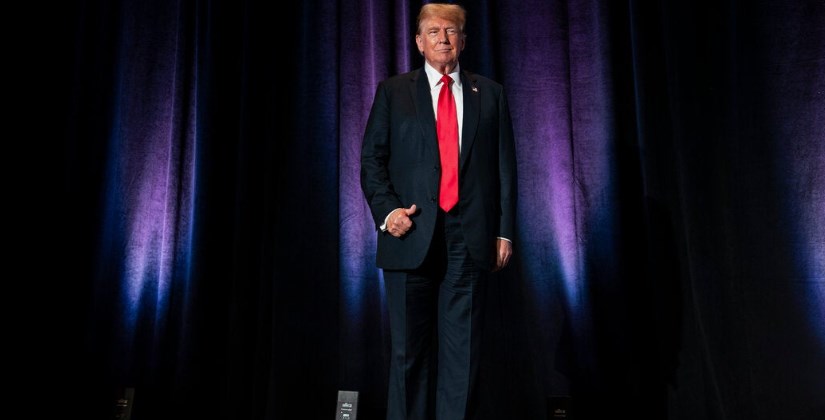
According to prosecutors, records describing the reimbursements were intentionally mischaracterized within company documents. The state argued that these false entries were designed to hide information from voters during the presidential election. Trump consistently denied wrongdoing throughout the investigation and trial. His legal team argued that the payments were legitimate legal expenses and maintained that the case was politically motivated. Nevertheless, prosecutors presented evidence, witness testimony, financial records, and internal communications in an effort to demonstrate that the business records had been deliberately falsified.
The Historic Verdict
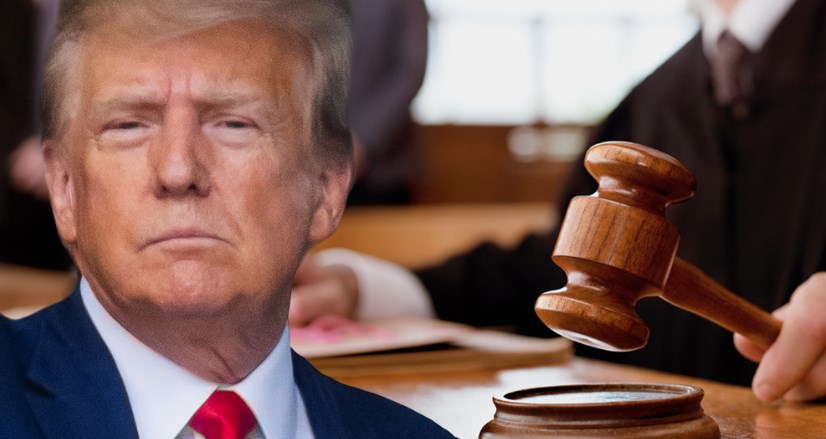
After weeks of testimony and deliberation, a jury found Trump guilty on 34 felony counts of falsifying business records. The verdict instantly became one of the most significant legal and political moments in modern American history. For the first time, a current or former U.S. president had been convicted of felony crimes by a jury. The ruling sparked intense reactions across the political spectrum.
Supporters of Trump described the prosecution as unfair and politically driven. Critics argued that the verdict demonstrated that no individual, regardless of power or status, is above the law. The conviction also generated widespread international coverage, with observers around the world closely watching how the American legal system handled a case involving a former president and leading political figure.
Why the Conviction Was So Significant
The conviction was significant not only because of Trump’s status but also because it challenged assumptions about presidential accountability. Historically, presidents and former presidents have often enjoyed a unique position in American society. While investigations involving high-ranking officials have occurred before, a felony conviction of a former president was unprecedented. Is Trump a convicted felon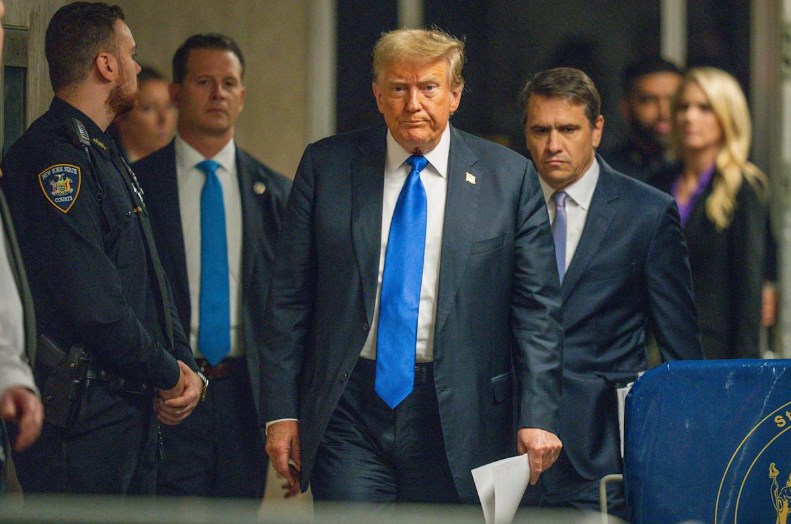
Legal scholars viewed the case as a test of the principle that all citizens are subject to the same legal standards. Political analysts, meanwhile, focused on the broader implications for elections, public trust, and the future relationship between politics and the justice system. The case highlighted how legal proceedings can intersect with political campaigns, creating a situation unlike anything previously experienced in American democracy.
Did the Conviction Prevent Trump From Running for President?
One of the biggest misconceptions surrounding the case was the belief that a felony conviction would automatically disqualify Trump from seeking public office. In reality, the U.S. Constitution does not prohibit a convicted felon from running for president. To qualify for the presidency, candidates must meet only a few constitutional requirements: they must be a natural-born U.S. citizen, be at least 35 years old, and have lived in the United States for at least 14 years.
As a result, Trump’s conviction did not prevent him from continuing his political activities or seeking office. This surprising reality led many Americans to examine constitutional requirements more closely and sparked discussions about whether future reforms should be considered.
How Trump Responded
Throughout the legal process, Trump repeatedly criticized the case and rejected the allegations against him. Following the verdict, he described the conviction as unjust and maintained his innocence. His supporters echoed those claims, arguing that prosecutors targeted him because of his political influence and electoral success.
At rallies and public appearances, Trump frequently framed the legal challenges as part of a broader struggle against what he characterized as political opponents seeking to stop his movement. The conviction did little to diminish the loyalty of many supporters, who continued to view him as a central figure in American politics. In fact, some analysts argued that the legal battles strengthened support among portions of his political base. Is Trump a convicted felon
Public Reaction Was Deeply Divided
The verdict underscored the deep political divisions that exist within the United States. For some Americans, the conviction represented accountability and evidence that legal institutions were functioning as intended. For others, it reinforced concerns about political bias and the weaponization of the justice system. Polling conducted after the verdict revealed stark differences in opinion depending on political affiliation.
Democrats generally viewed the conviction as justified, while many Republicans believed the prosecution was unfair. Independent voters were often split, reflecting the broader complexity of public sentiment surrounding Trump. The differing reactions demonstrated how legal decisions involving major political figures can become intertwined with broader ideological debates.
The Lasting Impact on American Politics
Two years after the conviction, its impact continues to be felt. The case remains a major reference point in discussions about presidential accountability, campaign ethics, judicial independence, and political polarization. Historians may ultimately view the conviction as one of the defining events of the 21st century in American politics.
Regardless of political perspective, the verdict established a precedent that had never existed before. It forced voters, lawmakers, legal experts, and political leaders to grapple with difficult questions about leadership, justice, and the balance between law and politics. The case also ensured that Trump’s legal history would remain a significant part of his public legacy. Is Trump a convicted felon
Conclusion
So, is Donald Trump a convicted felon? Yes. In 2024, Trump was convicted on 34 felony counts related to falsifying business records, making him the first former U.S. president ever convicted of felony crimes. The verdict was historic, controversial, and politically consequential.
While supporters and critics continue to disagree sharply about the fairness and significance of the case, there is no dispute about the legal outcome itself. The conviction became a landmark event that reshaped political discourse and remains one of the most talked-about moments in recent American history. As debates over Trump’s legacy continue, the conviction serves as a reminder of how closely law, politics, and public opinion can intersect—and how events involving national leaders can leave a lasting mark on history. Is Trump a convicted felon
About the Author