NYC and LA Are Teaming Up to Fight for EVs
NYC and LA Are Teaming Up to Fight for EVs – For years, electric vehicles were seen as the future of transportation. Governments promoted them, automakers invested billions into them, and environmental groups pushed hard for wider adoption. But lately, the EV conversation in America has become increasingly political, with debates over charging infrastructure, tax incentives, emissions rules, and even whether consumers should be encouraged to buy electric cars at all. NYC and LA Are Teaming Up to Fight for EVs
Now, two of America’s biggest and most influential cities — New York City and Los Angeles — are stepping into the spotlight together. Despite being located on opposite coasts, NYC and LA are joining forces to defend and expand the future of electric vehicles in the United States. Their partnership is more than symbolic. It represents a growing movement among major urban centers that believe EVs are essential not only for fighting climate change, but also for improving public health, modernizing transportation, and strengthening local economies. As federal policies shift and political disagreements continue to shape the national EV conversation, New York and Los Angeles are making it clear that they do not intend to slow down.
Why NYC and LA Matter So Much
New York City and Los Angeles are two of the largest metropolitan areas in the country. Together, they represent millions of drivers, massive public transportation systems, enormous delivery networks, and some of the worst traffic congestion in America. That makes them incredibly important in the transition to cleaner transportation. Los Angeles has long struggled with air pollution and smog. Decades of heavy traffic and car dependency created environmental problems that affected generations of residents. Meanwhile, New York City faces its own challenges with emissions, congestion, and aging infrastructure. NYC and LA Are Teaming Up to Fight for EVs
Both cities understand that transportation is one of the biggest contributors to greenhouse gas emissions. By pushing for wider EV adoption, city leaders believe they can reduce pollution while improving quality of life for residents. The alliance between the two cities sends a strong message: even if national momentum slows, local governments still have the power to drive change.
A United Push for Cleaner Transportation
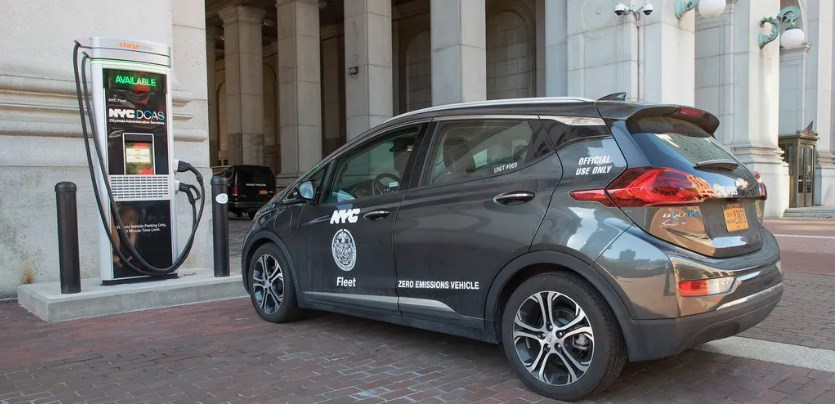
Officials from both cities are reportedly focusing on several major goals, including expanding charging infrastructure, increasing EV accessibility, electrifying public fleets, and protecting clean-energy policies. One of the biggest barriers to EV adoption remains charging access. While wealthier homeowners can often install chargers in private garages, millions of apartment residents and urban drivers still struggle to find convenient charging stations.
That issue is especially important in dense cities like New York. To address this, NYC and LA are exploring ways to rapidly increase public charging options. That includes curbside chargers, fast-charging hubs, parking garage partnerships, and incentives for businesses that install charging stations.
The cities are also investing heavily in electric buses and municipal fleets. Garbage trucks, police vehicles, public transit buses, and maintenance vehicles are increasingly being replaced with electric alternatives. These transitions may not always grab headlines, but they could have a major long-term impact. Public fleets operate daily and consume large amounts of fuel, meaning electrification can significantly reduce emissions over time. NYC and LA Are Teaming Up to Fight for EVs
Fighting Back Against Political Resistance
The partnership also comes during a tense political moment for EV policy in the United States. In recent years, electric vehicles have become part of broader political debates surrounding climate policy, government spending, and energy independence. Some lawmakers argue that EV mandates move too quickly or place pressure on consumers and automakers. Others believe reducing support for EVs would hurt America’s competitiveness in the global automotive market.
New York and Los Angeles appear determined to push forward regardless of the political noise. City leaders argue that the transition to electric transportation is already happening worldwide. China and Europe continue expanding EV production and infrastructure at rapid rates, while global automakers invest billions into battery technology and next-generation electric platforms. From their perspective, pulling back now could leave American cities and industries behind. Rather than waiting for national consensus, NYC and LA are focusing on local action. Their message is simple: cities do not need to stand still while political battles continue in Washington.
Economic Benefits Beyond the Environment
Supporters of the EV movement often focus on climate change, but economic concerns are becoming equally important. Building charging infrastructure creates construction jobs. Expanding EV fleets supports software, battery, and energy industries. Maintenance networks, energy storage systems, and renewable power investments all generate economic activity. New York and Los Angeles see EV investment as an opportunity to position themselves as leaders in the clean-energy economy.
There is also a consumer angle. Although EV prices remain high for many buyers, operating costs are often lower than gasoline-powered vehicles. Electricity can be cheaper than fuel, and EVs generally require less maintenance because they have fewer moving parts. As battery technology improves and production scales up, city officials believe EVs will become more affordable for average consumers. The challenge, however, is ensuring that lower-income communities are not left behind.
Equity Is Becoming a Major Focus
One criticism of the EV market is that early adoption largely benefited wealthier households. Luxury electric cars dominated the market for years, while charging infrastructure often appeared first in affluent neighborhoods. NYC and LA say they want a different approach moving forward. Both cities are discussing ways to bring chargers into underserved communities, support affordable EV programs, and improve access to electric public transportation.
This includes electrifying buses that serve working-class neighborhoods and ensuring apartment residents have practical charging options. Environmental justice groups have long argued that poorer communities often suffer the most from pollution while receiving the fewest clean-energy investments. Since highways and industrial zones are frequently located near lower-income areas, residents experience higher exposure to dirty air. Expanding EV adoption in those neighborhoods could help reduce respiratory illnesses and improve public health outcomes over time. NYC and LA Are Teaming Up to Fight for EVs
The Auto Industry Is Watching Closely
Automakers are paying close attention to what major cities do next. Even though national policies matter, cities influence consumer behavior in powerful ways. Parking regulations, congestion pricing, charging availability, tax incentives, and local environmental rules can all shape how quickly drivers switch to electric vehicles. If New York and Los Angeles successfully expand EV infrastructure and adoption, other cities may follow their example.
That could create a ripple effect across the country. Automakers also know that urban markets are critical testing grounds for new mobility technologies. Electric taxis, rideshare fleets, delivery vans, and autonomous vehicle systems are often launched first in large metropolitan areas. By working together, NYC and LA could help accelerate innovation while pressuring manufacturers to continue investing in cleaner transportation.
Challenges Still Remain
Despite the optimism, the road ahead is not simple. Charging networks still need major expansion. Electrical grids require upgrades to support growing demand. Battery production remains expensive, and concerns about raw material sourcing continue to raise environmental and geopolitical questions. There is also consumer hesitation.
Some drivers worry about range anxiety, charging times, or long-term battery durability. Others simply prefer traditional gasoline vehicles and resist rapid change. Winter weather performance, repair costs, and insurance prices are additional concerns that continue to affect public perception. New York and Los Angeles understand that the transition will not happen overnight. But city leaders appear convinced that delaying progress would create even bigger challenges later. NYC and LA Are Teaming Up to Fight for EVs
A Bigger National Signal
At its core, the partnership between NYC and LA is about more than electric cars. It reflects a broader shift in how major cities are approaching climate policy and infrastructure planning. Increasingly, local governments are taking matters into their own hands rather than waiting for federal direction. By teaming up, the two cities are attempting to create momentum that extends beyond their borders.
Whether someone loves EVs or remains skeptical, one thing is becoming clear: the conversation is no longer just about technology. It is about economics, public health, energy policy, urban planning, and America’s role in the future global auto industry. And with New York City and Los Angeles now aligned in that fight, the battle over the future of electric vehicles may be entering an entirely new phase. NYC and LA Are Teaming Up to Fight for EVs
About the Author