Qatari tanker becomes first ship to cross Strait of Hormuz
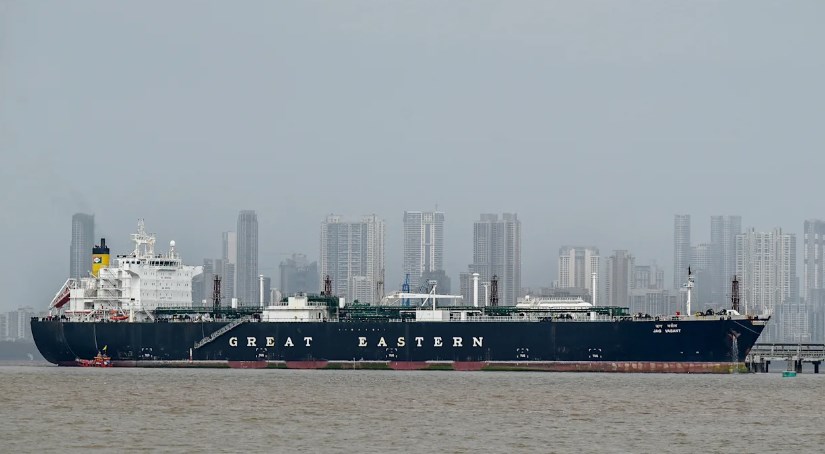
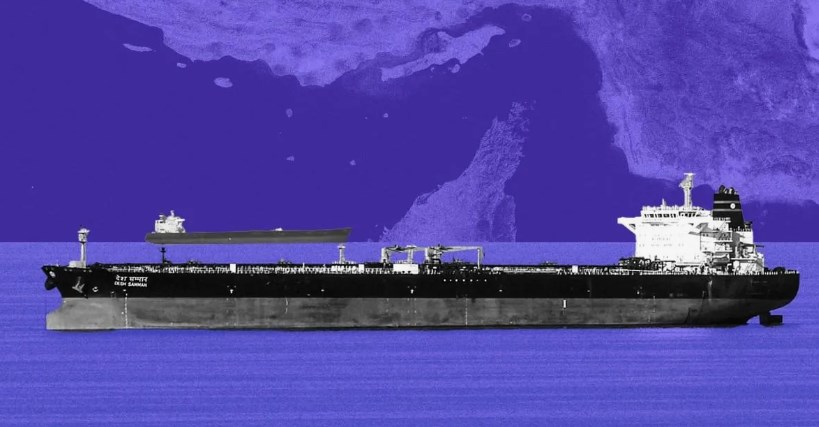
Stretching between Iran and Oman, the Strait of Hormuz is often described as the lifeline of the global energy market. Nearly one-fifth of the world’s oil supply passes through the narrow channel every day, making any disruption there a matter of international concern. For decades, geopolitical tensions in the region have repeatedly raised fears that shipping traffic could be interrupted, sending energy prices soaring and rattling financial markets around the world.
Against this backdrop, the successful journey of the Qatari tanker carried significance far beyond a routine commercial voyage. The vessel’s transit became a symbol of cautious optimism for international shipping companies, energy traders, and governments closely monitoring developments in the Gulf region.
Qatar, one of the world’s leading exporters of liquefied natural gas (LNG), depends heavily on secure maritime access through the Strait of Hormuz. The country ships enormous quantities of LNG to customers in Asia, Europe, and beyond. Any prolonged closure or instability in the waterway could have severe consequences not only for Qatar’s economy but also for global energy markets already facing volatility due to ongoing geopolitical tensions.
The tanker’s crossing came at a time when military activity and political rhetoric in the region had intensified. Concerns about potential confrontations between Iran and the United States led many observers to question whether commercial shipping could continue safely. Insurance premiums for vessels operating in the Gulf had reportedly risen, while shipping companies began reassessing routes and security protocols.
Despite these concerns, the successful transit demonstrated that maritime trade through the Strait had not come to a standstill. Shipping analysts noted that while tensions remained high, commercial traffic was still moving under close monitoring from regional and international naval forces.
The United States has long maintained a strong naval presence in the Gulf to protect freedom of navigation and ensure that energy exports can continue flowing to global markets. American officials have repeatedly emphasized that keeping the Strait of Hormuz open is a strategic priority, not only for the United States but also for the broader international community.
Military escorts and enhanced surveillance measures have become increasingly common during periods of tension. Tankers moving through the area often coordinate closely with naval authorities to minimize risks. The Qatari vessel’s safe passage highlighted the extensive security efforts currently in place to protect shipping lanes from potential threats.
For global energy markets, the tanker’s journey provided a measure of reassurance. Oil and gas prices are highly sensitive to developments in the Gulf region, and even rumors of disruptions in the Strait of Hormuz can trigger dramatic price spikes. Traders closely watched the situation, understanding that any interruption to Gulf exports could tighten global supplies and increase costs for consumers worldwide.
The importance of Qatar’s energy exports has grown substantially in recent years, particularly as countries seek alternatives to traditional suppliers and attempt to diversify their energy sources. Qatar’s LNG plays a critical role in powering industries, heating homes, and supporting electricity generation across multiple continents.
Europe, in particular, has become increasingly reliant on LNG imports following shifts in global energy dynamics. As a result, the uninterrupted movement of Qatari tankers through the Strait carries implications far beyond the Middle East. A disruption could impact energy security for millions of people and place additional strain on already volatile markets.
Shipping experts say the situation also reveals how interconnected the global economy has become. A single waterway in the Gulf can influence fuel prices, inflation, transportation costs, and industrial production across the globe. That reality is why governments and corporations pay such close attention to developments in the Strait of Hormuz. Qatari tanker becomes first ship to cross Strait of Hormuz
Historically, the waterway has witnessed numerous periods of tension. During the Iran-Iraq War in the 1980s, the region became the center of the so-called “Tanker War,” when commercial vessels were targeted in attacks that threatened international shipping. More recently, incidents involving seized tankers, drone strikes, and naval confrontations have reignited fears about the vulnerability of maritime trade in the Gulf.
Yet despite recurring crises, the Strait has remained operational. Experts argue that all parties involved understand the enormous economic consequences that would accompany a prolonged disruption. For oil-producing nations in the Gulf, uninterrupted exports are essential to national revenues. For importing countries, continued access to energy supplies is equally critical.
The successful transit of the Qatari tanker may therefore be viewed as both a practical and symbolic development. Practically, it demonstrated that shipping operations continue despite regional uncertainty. Symbolically, it reflected the determination of global trade networks to function even under difficult geopolitical circumstances.
Industry observers also point to advances in maritime technology and security coordination that have improved the safety of commercial shipping. Modern vessels are equipped with sophisticated tracking systems and communication tools that allow real-time coordination with naval authorities. Meanwhile, international cooperation among allied forces has strengthened maritime surveillance in the Gulf. Qatari tanker becomes first ship to cross Strait of Hormuz
Still, analysts caution that risks remain elevated. Any escalation involving military action or political confrontation could quickly alter the situation. Shipping companies continue to monitor intelligence reports and regional developments carefully before sending vessels through the area.
Insurance firms are likewise paying close attention. Maritime insurers often adjust premiums based on perceived risks in conflict-prone regions. A rise in security threats can significantly increase operating costs for shipping companies, which may eventually affect global energy prices.
For Qatar, maintaining confidence in its export reliability is crucial. The country has invested heavily in expanding its LNG production capacity and strengthening its position as a leading global energy supplier. Ensuring that its shipments can move safely through the Strait of Hormuz is essential to preserving long-term relationships with international buyers.
The tanker’s passage also highlights the broader strategic importance of the Gulf region in world affairs. Although global energy markets are gradually shifting toward renewable sources, oil and natural gas remain central to the international economy. As long as that remains true, waterways like the Strait of Hormuz will continue to hold enormous geopolitical significance.
Governments around the world are likely to keep monitoring developments closely in the coming weeks and months. Diplomatic efforts aimed at reducing tensions in the region may play a key role in maintaining stability and protecting international trade routes.
For now, the successful crossing of the Qatari tanker serves as a reminder that even during periods of uncertainty, the machinery of global commerce continues to move forward. The ship’s journey through one of the world’s most sensitive maritime corridors reflects not only the challenges facing international shipping but also the resilience of the systems that keep global energy supplies flowing. Qatari tanker becomes first ship to cross Strait of Hormuz
About the Author