Trump calls Iran response to peace plan unacceptable – President Donald Trump has sharply rejected Iran’s latest response to a U.S.-backed peace proposal, calling it “totally unacceptable” and casting fresh doubt over already fragile ceasefire negotiations in the Middle East. The comments came at a moment when tensions across the region were beginning to cool after weeks of military escalation, attacks on shipping routes, and fears of a wider regional war. Instead of bringing both sides closer to an agreement, Iran’s counterproposal appears to have widened the divide between Washington and Tehran once again.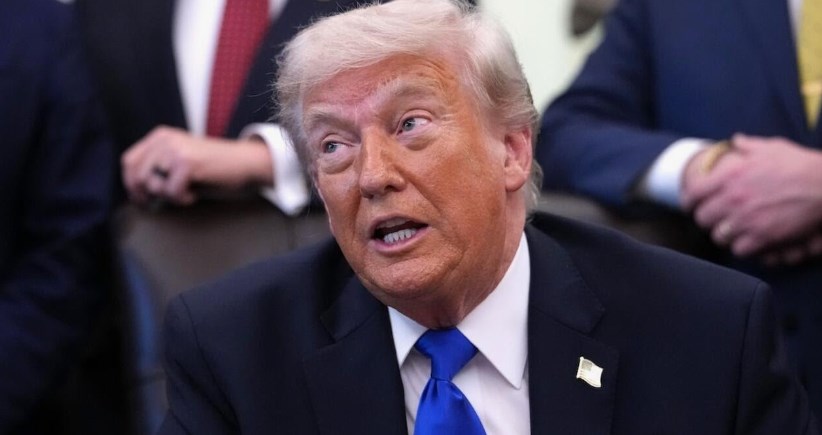
The dispute centers on a proposed framework designed to reduce fighting and stabilize the region, particularly around the Strait of Hormuz — one of the world’s most important oil shipping routes. The waterway has become a major flashpoint in recent months, with military threats, naval blockades, and disruptions to global energy supplies driving fears of an international economic shock. Trump calls Iran response to peace plan unacceptable
Trump reacted strongly after reviewing Iran’s response to the U.S. proposal. Posting on social media, he wrote that he had read Tehran’s answer and did not like it, describing the response as “TOTALLY UNACCEPTABLE.” While the president did not immediately provide details, reports from multiple international outlets suggest Iran’s proposal focused heavily on ending hostilities, lifting sanctions, and securing guarantees against future military attacks.
According to Iranian state media and Reuters reporting, Tehran’s response demanded several major concessions from the United States. These reportedly included a full end to military operations in the region, the lifting of sanctions on Iranian oil exports, compensation for war-related damages, and recognition of Iran’s authority over security in the Strait of Hormuz. Iran also wanted guarantees that future attacks against the country would not occur again.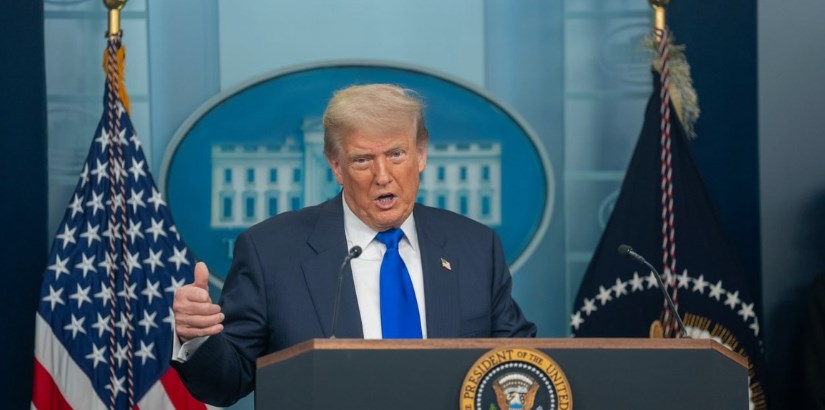
The United States, however, appears focused on a very different set of priorities. Washington has pushed for Iran to significantly curb its nuclear activities and missile programs before broader negotiations move forward. Trump has repeatedly stated that dismantling Iran’s nuclear capabilities remains a red line for his administration. Reports indicate that the White House was disappointed because Iran’s latest response did not adequately address those demands.
The disagreement highlights the deep mistrust between the two countries. Iran believes the United States is using diplomacy as a way to pressure Tehran into major concessions while maintaining economic restrictions and military pressure. Meanwhile, the Trump administration argues that Iran is delaying negotiations and attempting to gain leverage while continuing destabilizing activities across the region.
This latest breakdown in talks comes after months of heightened conflict. Since late February, clashes involving Iran, Israel, and U.S. forces have intensified. Missile strikes, drone attacks, and naval confrontations have fueled fears of a broader war that could spread across the Middle East. The Strait of Hormuz became especially critical after Iran restricted shipping traffic through the narrow passage, disrupting global oil transportation and sending energy prices sharply higher.
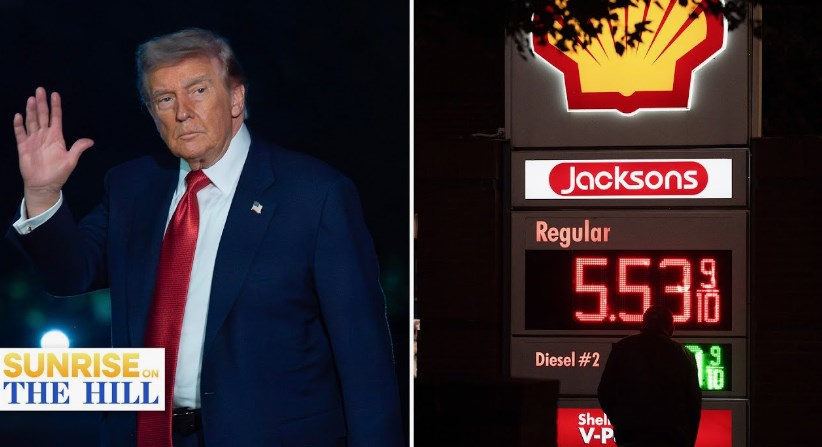
Global markets reacted quickly to Trump’s comments. Oil prices surged almost immediately after news broke that negotiations had stalled again. Investors worry that any further escalation could severely disrupt energy supplies from the Gulf region, which remains essential to the world economy. Brent crude prices reportedly climbed several dollars per barrel following Trump’s rejection of Iran’s response.
Despite the harsh rhetoric, diplomacy has not completely collapsed. Several countries, including Qatar and Pakistan, are reportedly working behind the scenes to mediate between Washington and Tehran. U.S. Secretary of State Marco Rubio and special envoy Steve Witkoff have been involved in regional discussions aimed at preventing the conflict from spiraling further.
Iran’s proposal itself appears to have included some limited flexibility regarding its nuclear program. According to reports cited by The Wall Street Journal and Reuters, Tehran may have been willing to temporarily reduce uranium enrichment levels and transfer part of its enriched uranium stockpile to another country. However, the duration and conditions of those concessions reportedly fell short of what the United States demanded.
Another major sticking point is the future of sanctions. Iran insists that economic restrictions must be lifted before any long-term agreement can be reached. Years of sanctions have severely damaged Iran’s economy, reducing oil exports, increasing inflation, and fueling domestic frustration. Tehran argues that meaningful peace talks cannot happen while economic punishment continues. Trump calls Iran response to peace plan unacceptable
At the same time, Trump has continued using strong language toward Iran, warning that military action could resume if Tehran refuses to cooperate. Earlier statements from the president suggested that the U.S. was prepared to intensify pressure if negotiations failed.
The political stakes are also significant for Trump domestically. Rising oil prices and instability in the Middle East could create economic pressure at home, especially as Americans face concerns about fuel costs and inflation. Polls cited in recent reporting suggest many U.S. voters are increasingly uneasy about prolonged conflict in the region and its impact on the economy.
Meanwhile, reactions online have been mixed. Discussions on Reddit and social media show frustration, skepticism, and uncertainty from people trying to understand what exactly Iran proposed and why negotiations continue to fail. Some users criticized the lack of transparency surrounding the talks, while others warned that another diplomatic collapse could lead to further military escalation.
For now, the future of the peace process remains uncertain. Both Washington and Tehran continue to accuse each other of acting in bad faith, and neither side appears ready to make the concessions necessary for a breakthrough. The fragile ceasefire that briefly raised hopes for stability is now under serious strain, and the possibility of renewed conflict remains very real.
What happens next could shape not only the future of U.S.-Iran relations but also the stability of the entire Middle East. With global energy markets already nervous and regional tensions still high, the collapse of diplomacy could have consequences far beyond Washington and Tehran. Trump calls Iran response to peace plan unacceptable
About the Author