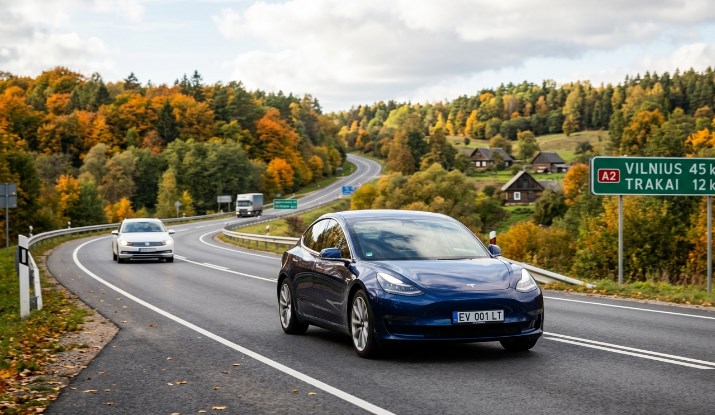
Tesla’s ‘Full Self-Driving’ Becomes ‘Assisted Driving’ in Europe – Tesla is facing an important change in Europe as its well-known Full Self-Driving (FSD) technology moves toward a more cautious identity: assisted driving. The change reflects a broader discussion about how advanced driver-assistance systems should be marketed, regulated, and used on public roads. Although Tesla has spent years promoting its software as a major step toward autonomous driving, European regulators have taken a careful approach to technologies that still require drivers to remain attentive and ready to take control.
For Tesla owners and people considering buying one of its electric vehicles, the distinction matters. The name Full Self-Driving can create the impression that a vehicle is capable of handling a journey independently. In reality, the driver must continue monitoring the road and remain responsible for the vehicle’s actions when using systems that have not been approved for fully autonomous operation. The move toward the term assisted driving makes that responsibility clearer and highlights the difference between sophisticated driving assistance and a genuinely self-driving car. Tesla’s Full Self-Driving Becomes Assisted Driving in Europe
Why Tesla’s Full Self-Driving Name Is Changing
Tesla’s Full Self-Driving branding has attracted attention for years because it suggests a future in which vehicles can navigate roads with little or no human intervention. The company’s software has developed to support increasingly sophisticated driving tasks, depending on the version, vehicle, and market. However, the name has also generated debate because the technology’s capabilities do not necessarily match what some customers might expect from the phrase full self-driving.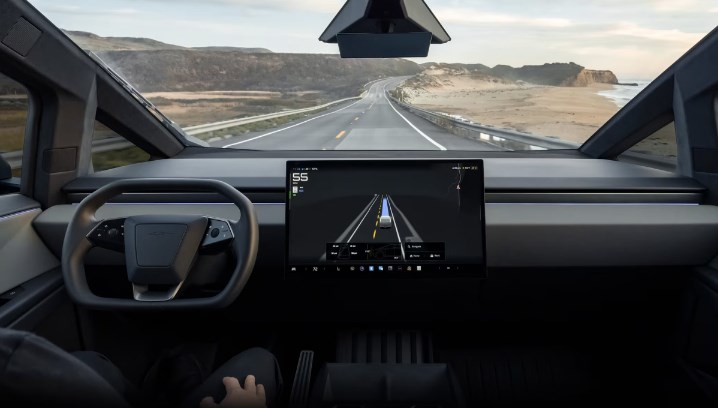
European regulators generally place considerable emphasis on clear product descriptions, road safety, and the driver’s continuing responsibility. A system that helps steer, accelerate, brake, or navigate traffic is not automatically equivalent to a fully autonomous vehicle. Even when software can perform several driving tasks, unexpected road conditions, unclear markings, unusual traffic situations, and unpredictable human behavior can still require immediate intervention.
Describing the technology as assisted driving offers a more direct explanation of its purpose. Rather than suggesting that a car can independently manage every situation, the terminology emphasizes that the software assists a human driver. This distinction is particularly important in a region where automotive technology must satisfy detailed approval requirements before certain functions can be offered to consumers.
The terminology change should not automatically be interpreted as Tesla abandoning its long-term autonomous-driving ambitions. Instead, it reflects the difference between what the company hopes its technology will eventually achieve and what regulators permit it to do today. The precise wording, approved functions, and rollout conditions may differ between European countries and software versions, so drivers should consult Tesla’s current documentation for their specific vehicle.
What Assisted Driving Means for Tesla Owners
For drivers, the most important issue is not the name displayed in a menu or advertisement. It is what the system can actually do, where it can operate, and how much attention the driver must provide. Advanced assistance can make driving more convenient by helping with steering, speed control, lane positioning, and other tasks, depending on the functions approved for a particular vehicle.
Nevertheless, these capabilities do not eliminate the need for human supervision. Drivers must continue watching traffic, identifying hazards, following road signs, and responding promptly when the system encounters something it cannot handle safely. A vehicle may perform well on familiar roads and still make mistakes in construction zones, complicated intersections, poor weather, or situations involving emergency vehicles.
The assisted-driving label reinforces this practical reality. It encourages customers to view the software as a tool that supports driving rather than a substitute for an attentive person behind the wheel. That message is particularly valuable for new owners who may be unfamiliar with the limitations of automated systems and could otherwise place too much confidence in the vehicle’s technology.
Tesla owners should also remember that available features can depend on local regulations, vehicle hardware, software updates, and the package purchased. A function demonstrated in one country may not be available in another, and a feature offered in a demonstration may operate differently under everyday conditions. Before relying on any capability, drivers should review the owner’s manual, understand the system’s limitations, and follow the instructions displayed by the vehicle. Tesla’s Full Self-Driving Becomes Assisted Driving in Europe
Europe’s Safety Rules and the Challenge of Autonomous Driving
Europe has become an important testing ground for the relationship between automotive innovation and public safety. Regulators must consider how new technologies perform not only in ideal conditions but also in complicated situations involving pedestrians, cyclists, changing road layouts, and drivers who make unpredictable decisions.
This challenge becomes more complicated as software takes on a greater share of driving tasks. Traditional safety features, such as emergency braking and lane-departure warnings, generally support a human driver in specific situations. More advanced systems may combine several capabilities, but their complexity makes it essential to define exactly what they are authorized to do and who remains responsible when something goes wrong. Tesla’s Full Self-Driving Becomes Assisted Driving in Europe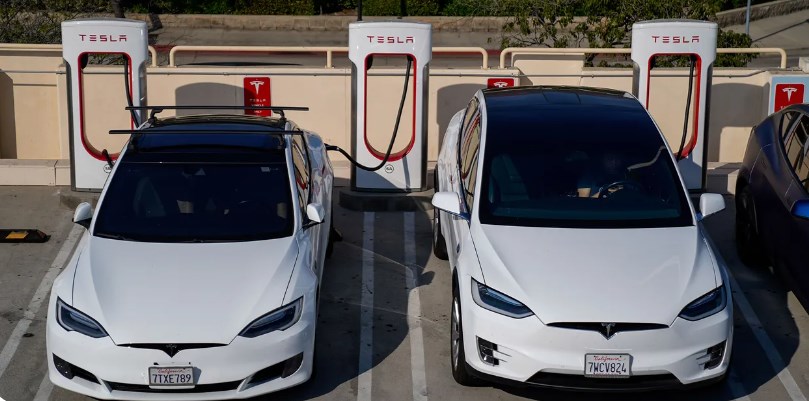
Approval processes help establish common expectations for vehicle manufacturers. They can examine system performance, driver monitoring, warnings, and other safety-related requirements. These procedures may take time, but they are intended to ensure that new technology meets applicable standards before being used more widely on public roads.
Tesla’s experience illustrates the difficulty of introducing rapidly evolving software into a regulatory environment built around clear safety responsibilities. The company can develop new capabilities through software updates, but technological progress does not automatically mean that every function can be activated everywhere. Regulators must assess whether the system complies with the rules governing its intended use.
For consumers, this can create differences between what a manufacturer promotes globally and what a vehicle can legally do in a particular market. The assisted-driving description helps bring expectations closer to the system’s actual role, although clear explanations of individual features remain essential.
How the Change Could Affect Tesla’s Brand and Business
Tesla has built much of its identity around challenging established automotive companies and pushing electric vehicles toward a more technologically advanced future. Its driver-assistance software is an important part of that strategy, helping the company distinguish its vehicles from competitors. However, the debate surrounding Full Self-Driving also demonstrates the risks of using ambitious names for technologies that still have important limitations.
A move toward assisted-driving terminology could make the product easier for customers to understand, but it may also affect how some buyers perceive its value. People who pay extra for advanced software may expect capabilities that go beyond conventional cruise control or lane-keeping assistance. If regulatory restrictions limit certain functions, customers may question whether the available experience justifies the additional expense.
At the same time, clearer terminology could benefit Tesla over the longer term. Customers who understand what a system can and cannot do are better positioned to use it safely. Setting realistic expectations can also reduce confusion when drivers compare software demonstrations, promotional material, and the functions actually available in their countries.
The change could influence the wider automotive industry as well. Other manufacturers are developing increasingly advanced assistance systems, and they face similar questions about how to describe their capabilities responsibly. As competition grows, companies will need to balance attractive marketing with accurate explanations of what their technology can deliver.
Tesla’s future success in this area will depend on more than its branding. Software reliability, regulatory approval, customer education, and the ability to demonstrate measurable safety benefits will all play important roles in determining how widely its technology is adopted.
The Future of Tesla’s Self-Driving Technology in Europe
Despite the terminology debate, the broader development of autonomous driving is continuing. Automakers are investing in artificial intelligence, computer vision, sensors, and increasingly capable onboard computing systems. These technologies are designed to help vehicles interpret their surroundings, recognize other road users, and make decisions in complicated traffic environments.
Tesla has continued to pursue its vision of more autonomous vehicles, and assisted-driving technology remains an important part of that effort. However, moving from driver assistance to genuine autonomy requires more than adding new software features. Systems must demonstrate that they can operate safely within their approved conditions, handle unexpected situations, and respond appropriately when their capabilities are exceeded.
Regulation will remain a major factor in this transition. European authorities must consider not only technical performance but also driver supervision, legal responsibility, and the potential consequences of system failures. Approval in one market does not necessarily guarantee approval elsewhere, making regional compliance an important consideration for manufacturers planning international rollouts.
For Tesla drivers, the practical advice is straightforward: understand the functions available in your country, keep software updated, and never assume that the vehicle can safely handle every situation without intervention. Drivers should remain alert even when the car appears to be managing traffic smoothly. Technology can reduce the effort involved in driving, but it does not remove the responsibility to operate a vehicle safely.
Ultimately, the shift from Full Self-Driving toward assisted-driving terminology highlights a crucial point in the evolution of automotive technology. The industry is making progress, but there is still a meaningful difference between a car that can assist with driving and one that can operate independently under legally approved conditions.
For Tesla, the challenge is to continue improving its technology while communicating its current capabilities clearly. For European consumers, the change serves as a reminder to look beyond the product name and focus on the functions, restrictions, and responsibilities that come with the software. The future of autonomous driving may be promising, but earning public trust will require realistic expectations, transparent communication, and a strong commitment to safety.
About the Author