Trump’s name must be removed from Kennedy Center, judge orders
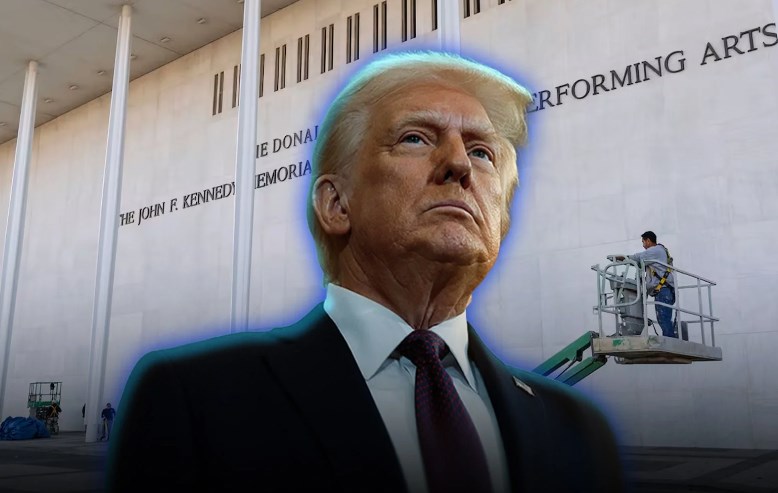
Trump’s name must be removed from Kennedy Center, judge orders – A federal judge has ordered that former President Donald Trump’s name be removed from a theater at the John F. Kennedy Center for the Performing Arts, marking the latest chapter in an ongoing battle over politics, public institutions, and presidential influence.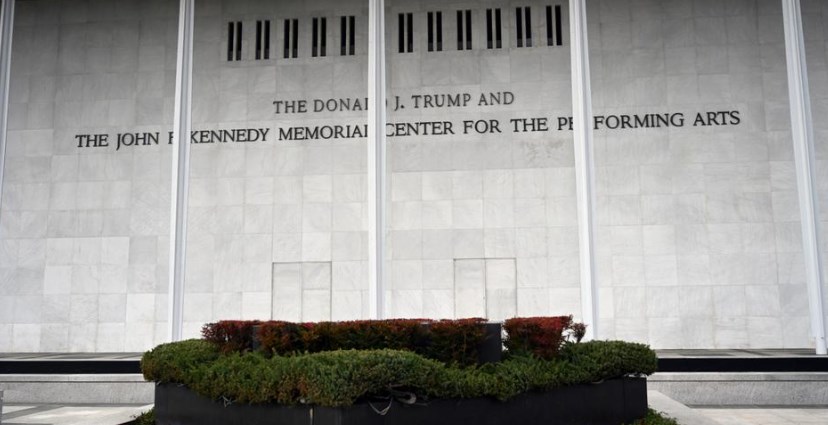
The ruling has sparked debate across political and cultural circles, with supporters and critics of Trump offering sharply different reactions. At the center of the controversy is a question that has become increasingly common in modern America: Should public landmarks and cultural institutions bear the names of political figures, especially when those figures remain deeply divisive?
The Court’s Decision
The judge’s order requires the Kennedy Center to remove Trump’s name from a theater space that had been renamed during a period of significant political influence and fundraising connected to the former president. According to court documents, the decision was based on concerns about whether proper procedures had been followed when the naming rights were granted. The court found that the process failed to meet established governance standards and did not align with the Kennedy Center’s obligations as a federally chartered cultural institution.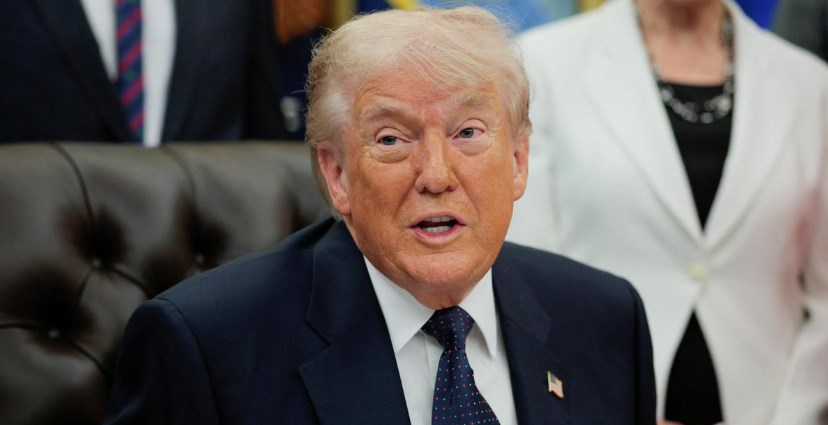
The ruling does not directly address Trump’s political record or personal conduct. Instead, it focuses on the legality and appropriateness of the naming decision itself. Still, given Trump’s unique place in American politics, the decision immediately became a flashpoint in broader cultural and political debates.
A Symbolic Victory for Critics
For many of Trump’s critics, the ruling represents more than a procedural correction. They argue that the Kennedy Center was established to celebrate artistic achievement and national culture rather than serve as a platform for political branding. Critics have long maintained that attaching Trump’s name to a prominent performing arts venue was inappropriate because of his contentious relationship with many artists and cultural organizations.
Throughout his political career, Trump often found himself at odds with Hollywood, Broadway performers, musicians, and other members of the arts community. Several artists publicly criticized his administration, while some cultural figures declined invitations to participate in events associated with him. For these opponents, the judge’s order restores what they view as the Kennedy Center’s original mission—honoring artistic excellence without becoming entangled in partisan politics. Many supporters of the decision have described it as a victory for institutional independence and cultural neutrality.
Trump Supporters Cry Political Bias
Trump’s supporters, however, see the situation very differently. They argue that the legal challenge is simply another example of what they view as ongoing efforts to erase Trump’s legacy from public life. Many point out that numerous buildings, highways, libraries, and public facilities throughout the country are named after political leaders from both major parties. In their view, singling out Trump reflects political bias rather than a genuine concern about governance procedures.
Some allies of the former president have accused opponents of engaging in what they call “symbolic politics,” focusing on names and monuments instead of addressing more substantive national issues. They also note that Trump remains one of the most influential political figures in modern American history, making his association with public institutions a natural part of the historical record. For supporters, removing his name does not change his impact on American politics—it simply reflects continuing political disagreements.
Why the Kennedy Center Matters
The controversy has drawn attention because of the unique status of the Kennedy Center itself. Located in Washington, D.C., the Kennedy Center serves as the nation’s premier performing arts institution. Established as a living memorial to President John F. Kennedy, it hosts thousands of performances each year, ranging from classical music and opera to theater productions and contemporary entertainment. The institution receives federal support while also relying heavily on private donations and philanthropy. Trump’s name must be removed from Kennedy Center
Because of its national significance, decisions involving the Kennedy Center often carry symbolic weight far beyond the arts world. The center has historically sought to present itself as a nonpartisan cultural institution. However, in recent years it has increasingly become a battleground for broader political disputes. Questions about leadership appointments, board memberships, donor influence, and artistic programming have all become subjects of public debate. The controversy surrounding Trump’s name reflects these larger tensions.
Politics and Public Naming Rights
The dispute also highlights a growing national conversation about naming rights and public memory. Across the United States, communities have spent years reconsidering the names attached to schools, military bases, monuments, and public buildings. Some names have been removed because of associations with slavery, segregation, or controversial historical actions. Others have become subjects of debate because of modern political disagreements.
Supporters of renaming efforts often argue that public spaces should reflect contemporary values and promote inclusivity. Opponents frequently counter that removing names risks erasing history and creating a constantly shifting standard based on political trends. The Trump-Kennedy Center dispute fits squarely within this broader national discussion. Unlike debates involving figures from centuries ago, however, Trump remains an active political force, making the issue especially charged.
Legal Experts Weigh In
Legal analysts note that the ruling may have implications beyond this single theater. If the decision is upheld through any potential appeals, it could influence how federally connected institutions handle naming agreements in the future. Many public organizations rely on donations from individuals, corporations, and foundations. In return, donors are often granted naming rights for buildings, theaters, galleries, or educational programs.
The court’s ruling suggests that such arrangements must follow clear procedures and governance standards, particularly when public institutions are involved. Some experts believe the case could encourage greater scrutiny of naming decisions nationwide. Others caution that each situation depends on its specific facts and legal framework. Regardless of its broader impact, the case underscores the increasing intersection of law, politics, philanthropy, and public culture. Trump’s name must be removed from Kennedy Center
What Happens Next?
The future of the dispute remains uncertain. Trump allies could seek additional legal challenges or appeals aimed at reversing the decision. The Kennedy Center may also need to address practical questions regarding signage, promotional materials, donor agreements, and public communications. Meanwhile, public reactions are likely to continue.
For some Americans, the issue is a matter of institutional integrity and proper governance. For others, it represents another front in the larger political battles that have defined the Trump era. As debates continue, the controversy serves as a reminder that public spaces are often more than just physical locations. They are symbols of history, identity, and collective values. Trump’s name must be removed from Kennedy Center
A Reflection of America’s Ongoing Divisions
The order to remove Trump’s name from a Kennedy Center theater is ultimately about more than a sign on a building. It reflects the deep political and cultural divisions that continue to shape the United States. Whether viewed as a defense of institutional principles or an example of political targeting, the decision has become another chapter in the ongoing national conversation about power, legacy, and public memory.
As the legal process moves forward and reactions continue to pour in, one thing remains clear: Donald Trump’s influence on American public life remains impossible to ignore. Even a dispute over a theater name has become a national story, illustrating how closely politics and culture have become intertwined in modern America.
The Kennedy Center, long known for celebrating artistic achievement, now finds itself at the center of a debate that extends far beyond the stage—one that touches on history, identity, and the enduring question of who deserves a place in the nation’s public landmarks. Trump’s name must be removed from Kennedy Center
About the Author