Trump says US pilots OK after helicopter crashed near Strait of Hormuz
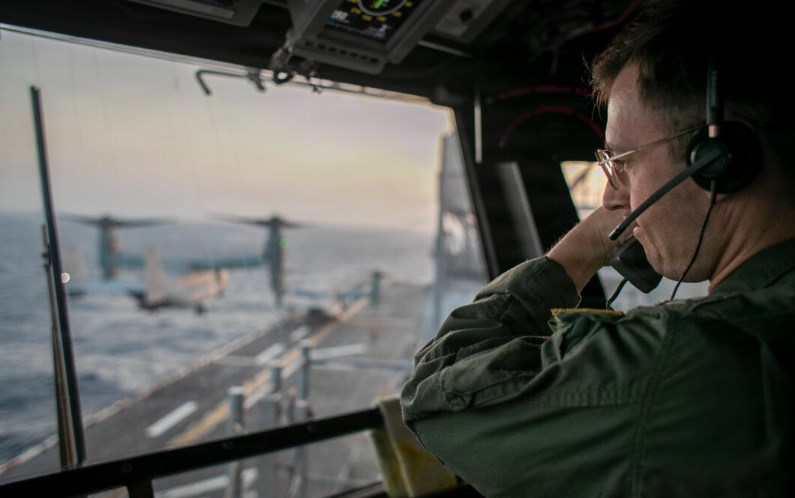
While official military details remain limited, the confirmation that the crew survived without life-threatening injuries has already shifted the tone of discussion from alarm to cautious assessment. Still, the incident highlights the persistent risks faced by U.S. forces operating in one of the most strategically volatile waterways in the world.
A tense corridor with global stakes
The crash reportedly occurred near the Strait of Hormuz, a narrow but critically important passage through which nearly a fifth of global oil shipments flow. For decades, the strait has been a flashpoint for geopolitical tension involving the United States, Iran, and other regional actors.
Even routine military operations in the area carry heightened risk. Aircraft, naval vessels, and surveillance missions frequently operate under conditions that include electronic interference concerns, crowded shipping lanes, and the constant possibility of miscalculation. Against that backdrop, any aircraft incident—especially involving a helicopter, which often operates close to ships and water during missions—quickly draws scrutiny from military analysts and international observers.
What is known about the crash
As of now, the exact cause of the helicopter crash has not been officially confirmed. Early reports indicate that the aircraft was conducting a routine mission when it experienced a sudden failure or operational issue that forced it down near the water.
Search-and-rescue protocols were reportedly activated immediately. Nearby U.S. assets and allied vessels in the region responded, ensuring that the crew was recovered quickly. According to Trump’s statement, the pilots involved are “OK,” suggesting they survived the incident and are receiving medical evaluation or precautionary care.
Military officials have not yet clarified whether the crash resulted from mechanical failure, environmental conditions, or external interference. Investigations into such incidents typically involve detailed examination of flight data, maintenance records, and communications logs.
Trump’s statement and political attention
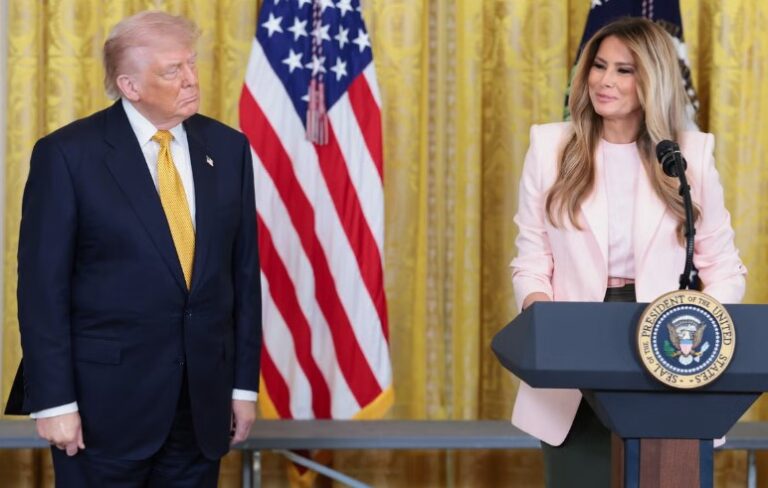
The public confirmation from Donald Trump added an unexpected political dimension to what is otherwise a military operational incident. While former presidents do not typically serve as official spokespeople for active-duty military events, Trump’s comments quickly circulated across media outlets and social platforms, shaping early public understanding of the situation.
His message focused primarily on reassurance rather than speculation, emphasizing that the pilots survived. In moments like these, such statements often play a role in reducing uncertainty, especially before full official briefings are released by the Pentagon or relevant military commands.
However, analysts also note that premature conclusions—particularly in sensitive regions like the Strait of Hormuz—can sometimes complicate ongoing investigations or diplomatic communications. For that reason, military authorities are expected to release carefully verified details once initial assessments are complete.
Strategic sensitivity in the region
The Strait of Hormuz is not only a critical shipping lane but also a heavily monitored military environment. U.S. naval forces regularly operate in coordination with regional and international partners to ensure freedom of navigation and maritime security. Trump says US pilots OK after helicopter crashed near Strait of Hormuz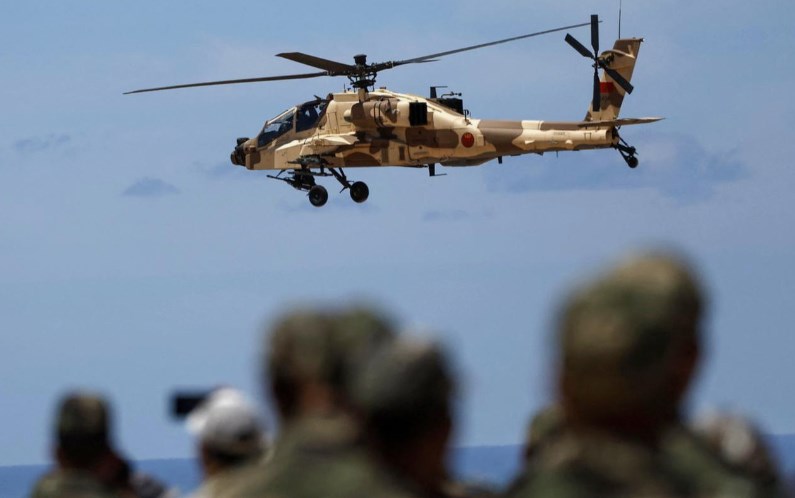
Helicopters in the area are often used for reconnaissance, logistics support, search-and-rescue readiness, and ship-to-shore operations. While generally reliable, these missions require precision, especially when operating over water in high-temperature, high-humidity environments that can strain aircraft systems.
Even minor technical issues can escalate quickly in such conditions. A sudden loss of altitude, rotor malfunction, or navigation system error can leave pilots with limited time to respond—making training and rapid rescue capability essential.
Safety response and crew survival
One of the most significant reassuring elements of the incident is the survival of the flight crew. Military aviation emphasizes redundancy in safety systems, including flotation devices for over-water operations, emergency beacons, and coordinated rescue protocols. Trump says US pilots OK after helicopter crashed near Strait of Hormuz
In this case, those systems appear to have functioned as intended. The rapid recovery of the pilots suggests that nearby assets were able to locate and retrieve them before conditions worsened. This outcome reflects both training standards and the dense operational presence maintained by the U.S. military in the region. Medical evaluations typically follow such incidents to assess both physical injuries and potential exposure-related complications, such as shock or prolonged time in water.
Investigation ahead
A formal investigation is expected to determine what led to the crash. Aviation incidents in military contexts are usually reviewed by specialized safety boards that examine everything from aircraft maintenance history to environmental conditions at the time of the event.
If mechanical failure is identified, it may trigger broader inspections of similar aircraft models. If human error or procedural issues are involved, training protocols may be reviewed and updated. In cases where external interference is suspected—though not confirmed in this incident—further intelligence assessments may be conducted. Until that process is complete, officials are likely to avoid drawing early conclusions.
Regional and global implications
Even though the crash appears not to have resulted in fatalities, incidents in the Strait of Hormuz tend to carry symbolic weight. The region is closely watched by global markets, governments, and energy stakeholders. Any disruption involving military assets can briefly raise concerns about escalation or instability.
However, early indications that the pilots are safe help reduce the likelihood of immediate geopolitical tension stemming from this specific event. Instead, attention will likely remain focused on technical and operational questions rather than diplomatic fallout. Trump says US pilots OK after helicopter crashed near Strait of Hormuz
A reminder of operational risks
Helicopter operations over contested or strategically sensitive waters remain among the most demanding assignments in military aviation. Pilots must manage unpredictable conditions while maintaining constant awareness of both environmental and tactical factors. This latest incident underscores that even routine missions can shift unexpectedly. While technology and training significantly reduce risk, they cannot eliminate it entirely.
For now, the most important detail remains the same: according to Donald Trump, the pilots involved are safe. The focus will now move toward understanding exactly what happened—and how similar incidents can be prevented in the future. As investigations continue, the event serves as another reminder of the constant operational pressure in one of the world’s most strategically important waterways, where even brief moments of mechanical or environmental failure can carry outsized consequences. Trump says US pilots OK after helicopter crashed near Strait of Hormuz
About the Author