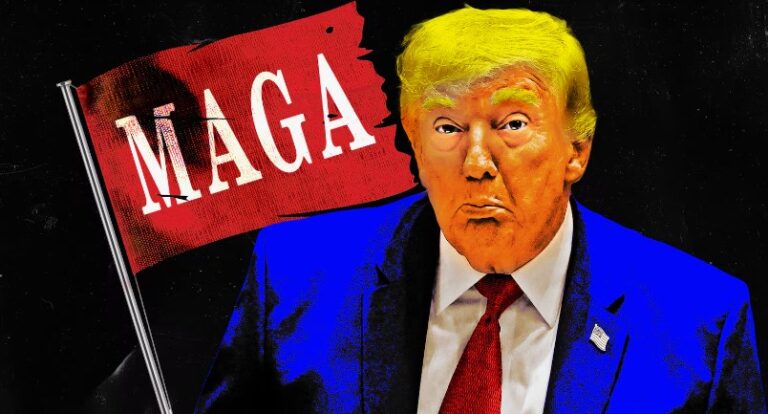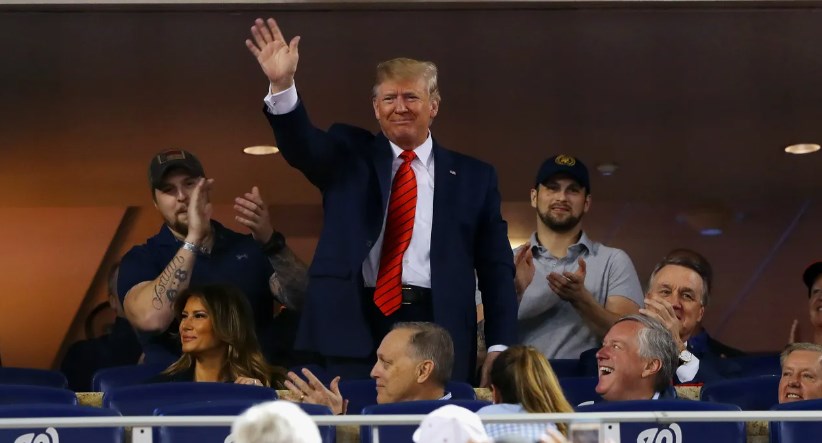
Trump says Major League Baseball needs a salary cap – For decades, Major League Baseball has prided itself on being different from other major professional sports leagues in the United States. Unlike the National Football League, the National Basketball Association, and the National Hockey League, MLB has operated without a formal salary cap, allowing teams to spend freely on player salaries. That long-standing approach has once again become a topic of national discussion after President Donald Trump publicly stated that Major League Baseball needs a salary cap.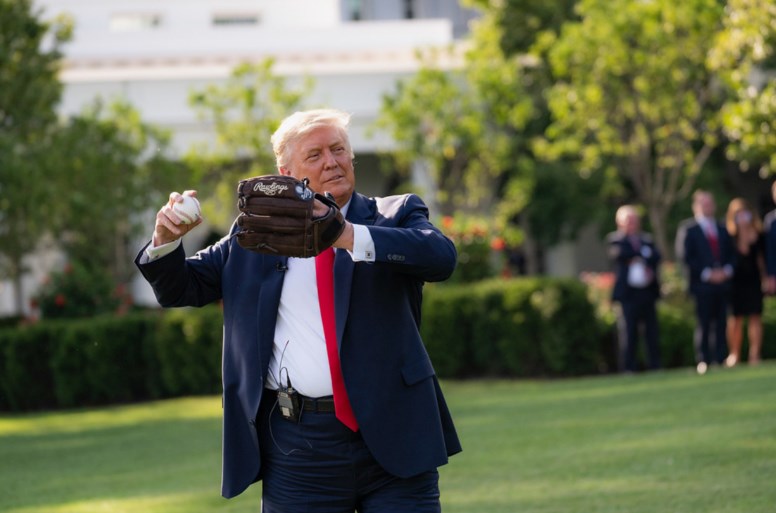
Trump’s comments have reignited one of the most polarizing debates in professional sports. Supporters of a salary cap argue that it would create greater competitive balance and prevent wealthy franchises from dominating the market. Critics, however, believe such a system would unfairly limit player earnings and strengthen the financial power of team owners.
The conversation comes at a time when payroll disparities across baseball are wider than ever. Some teams spend hundreds of millions of dollars annually on player salaries, while others operate on significantly smaller budgets. The question now being asked by fans, players, executives, and politicians alike is simple: Would a salary cap make Major League Baseball better?
Trump’s Argument for Change
President Trump’s position centers on the belief that baseball needs a more level financial playing field. His comments reflect concerns that large-market franchises have advantages that smaller-market teams simply cannot match. In recent years, clubs such as the New York Yankees, Los Angeles Dodgers, and New York Mets have consistently ranked among baseball’s highest spenders. These organizations benefit from lucrative television contracts, large fan bases, and substantial revenue streams that allow them to pursue elite free agents and retain star players.
Meanwhile, smaller-market franchises often face difficult financial decisions. Even when they develop talented young players, they sometimes struggle to keep them once those players become eligible for massive contracts. Trump suggested that a salary cap could help reduce these disparities and create a system where success depends less on financial muscle and more on smart management, scouting, and player development. For many fans, that argument resonates. There is a growing perception that some teams enter every season with a significantly better chance of competing simply because they can outspend rivals.
The Current MLB System
Unlike other major North American sports leagues, MLB uses what is known as a Competitive Balance Tax, often referred to as the luxury tax. Rather than setting a hard limit on payroll spending, the system allows teams to exceed certain spending thresholds while imposing financial penalties on those that do. Wealthy clubs can continue spending beyond the threshold if they are willing to pay the tax.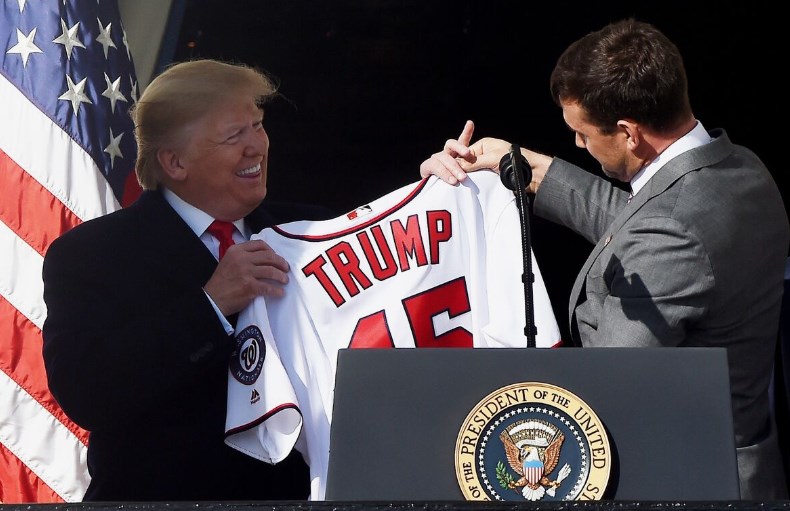
Supporters of the current structure argue that it provides flexibility while still discouraging excessive spending. However, critics contend that the luxury tax has not done enough to close the gap between baseball’s richest and poorest organizations. Some franchises view tax payments as merely another cost of doing business, allowing them to continue assembling expensive rosters loaded with superstar talent. As payroll records continue to be broken, calls for a stronger system have grown louder.
Why Some Fans Support a Salary Cap
The biggest argument in favor of a salary cap is competitive balance. Many baseball fans want every team to begin a season believing they have a realistic chance of reaching the playoffs and ultimately winning a championship. A salary cap, supporters argue, would prevent a handful of wealthy teams from stockpiling elite talent while forcing clubs to make difficult roster decisions.
Advocates often point to the NFL as an example. The league’s salary cap is frequently credited with creating parity, allowing teams from smaller markets to compete successfully against larger franchises. Every year in football, unexpected teams emerge as contenders. Fans who support a salary cap in baseball believe a similar system could increase excitement throughout the league. Another argument is that competitive balance can strengthen fan engagement. Supporters say fans are more likely to remain invested when they believe their team has a fair opportunity to succeed.
Why Players Oppose the Idea
While many owners and some fans have expressed support for a salary cap over the years, the players’ union has historically been strongly opposed. The Major League Baseball Players Association is one of the most powerful labor unions in professional sports. For decades, it has fought against salary restrictions, arguing that players deserve to receive compensation that reflects their true market value.
From the union’s perspective, a salary cap would artificially suppress earnings. Players argue that franchise values have skyrocketed, television contracts have become increasingly lucrative, and team revenues continue to grow. If owners are generating more money than ever before, players believe they should share in that financial success.
Many athletes also point out that professional sports careers are relatively short. A salary cap could potentially reduce opportunities for players to secure life-changing contracts during their peak earning years. Because of this, any proposal involving a hard salary cap would likely face intense resistance from the union. Trump says Major League Baseball needs a salary cap
The Owners’ Perspective
Many team owners have long favored stronger spending controls. Their argument is that rising payrolls place increasing pressure on organizations, particularly those operating in smaller markets. A salary cap could provide greater financial certainty and help control escalating costs. Some owners believe a cap could also encourage more sustainable business practices across the league.
However, implementing such a system would almost certainly require significant concessions from ownership. In other leagues, salary caps are often paired with guaranteed revenue-sharing mechanisms and salary floors that require teams to spend a minimum amount on player salaries. As a result, negotiations would likely be complex and contentious.
Could Baseball Ever Adopt a Salary Cap?
The reality is that introducing a salary cap would be extraordinarily difficult. Any major change to MLB’s economic structure would require collective bargaining negotiations between owners and the players’ union. Given the union’s longstanding opposition, reaching an agreement would be a massive challenge. Baseball’s labor history is filled with disputes over financial issues, including strikes and lockouts. In fact, resistance to a salary cap has been one of the defining positions of the players’ association for generations.Trump says Major League Baseball needs a salary cap
That doesn’t mean the conversation will disappear. As payroll disparities continue to attract attention and high-profile figures like Trump weigh in on the issue, pressure for reform may grow. Some analysts believe future negotiations could focus on modifying the luxury-tax system rather than introducing a strict salary cap. Others argue that a salary floor—requiring teams to spend a minimum amount on payroll—could be just as important as limiting top-end spending.
The Bigger Picture
Trump’s comments have once again highlighted a fundamental question about professional sports: Should financial freedom be prioritized, or should leagues impose stricter rules to ensure competitive balance?. There is no easy answer. Baseball’s free-market structure has helped create some of the sport’s most iconic contracts and allowed elite players to earn salaries reflecting their extraordinary talent. At the same time, concerns about competitive fairness continue to persist.
Whether one agrees with Trump or not, his remarks have revived a debate that has shaped baseball for decades. The discussion goes far beyond payroll numbers and luxury taxes. It touches on the very identity of Major League Baseball and what kind of league it wants to be in the future. As the sport evolves and revenues continue to grow, the salary cap debate is unlikely to fade away. Instead, it may become one of the defining issues facing baseball in the years ahead, forcing owners, players, and fans to confront difficult questions about fairness, competition, and the future of America’s pastime. Trump says Major League Baseball needs a salary cap
About the Author