Trump says he doesn’t care if ‘very boring’ talks with Iran are over
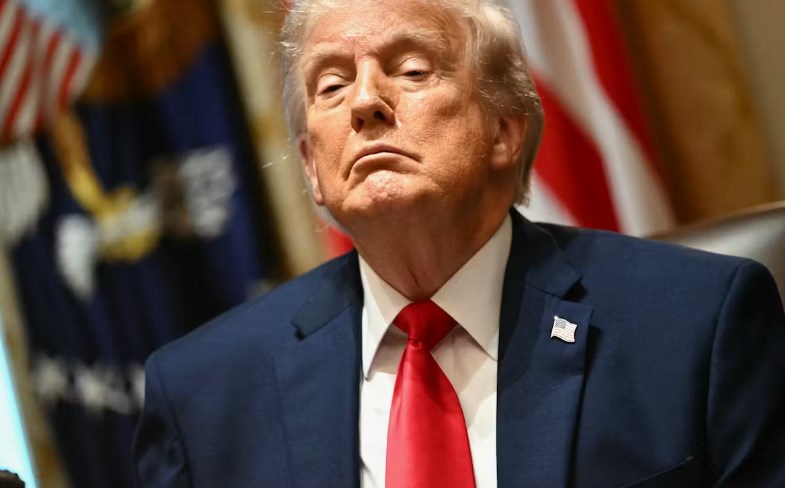
Trump says he doesn’t care if ‘very boring’ talks with Iran are over – President Donald Trump has once again sparked debate with his blunt remarks on U.S.-Iran diplomacy, saying he would not be concerned if ongoing negotiations with Iran were to collapse. In comments that quickly drew international attention, Trump described the talks as “very boring” and suggested he was largely indifferent to whether they continued.
The remarks came during a period of heightened tension in the Middle East, where fragile diplomatic efforts have been unfolding alongside military confrontations and growing concerns about regional stability. While many world leaders and analysts view dialogue between Washington and Tehran as critical to preventing further escalation, Trump appeared unimpressed by the pace and progress of the negotiations.
“I don’t care if they’re over, honestly,” Trump said when asked about reports that Iran might suspend talks with the United States. He went on to add, “I really don’t care. I couldn’t care less,” before describing the negotiations as having become “very boring.”
A Growing Diplomatic Rift
The comments came after reports emerged that Iranian officials were considering halting indirect negotiations with the United States. Iranian state media suggested the move was linked to ongoing military developments involving Israel and Hezbollah in Lebanon, which Tehran views as a major obstacle to diplomatic progress. For months, intermediaries have been working to facilitate communication between Washington and Tehran in an effort to reduce tensions and potentially establish a framework for broader peace discussions. The talks have focused on a range of issues, including regional security, military activity, and concerns surrounding Iran’s nuclear ambitions.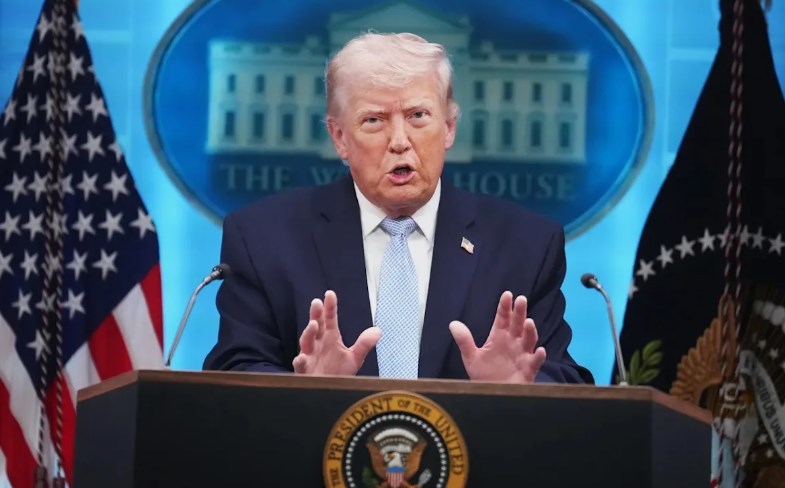
However, progress has been slow. Both sides have accused the other of creating obstacles, and the negotiations have frequently stalled over disagreements about security guarantees and regional military operations. Trump’s latest comments suggest growing frustration with the pace of those discussions. Rather than expressing concern over the possibility of a diplomatic breakdown, he portrayed the negotiations as tedious and unproductive. Trump says he doesn’t care if ‘very boring’ talks with Iran are over
Mixed Messages From the White House
What made Trump’s remarks particularly notable was that they were followed by a somewhat different message only hours later. Despite suggesting he did not care whether the talks ended, Trump later indicated that negotiations were still moving forward. He stated that he had not received official confirmation that Iran was suspending discussions and emphasized that communication channels remained open. At one point, Trump suggested that a period of silence between the two countries might actually be beneficial. “I think we’ve been talking too much,” he said, adding that both sides could simply wait and reassess the situation later.
This combination of dismissive rhetoric and continued diplomatic engagement reflects a pattern that has often characterized Trump’s approach to foreign policy. He has frequently criticized negotiations publicly while simultaneously leaving room for future agreements behind the scenes. Supporters argue that this unpredictability can create leverage in negotiations. Critics, however, contend that such statements risk undermining diplomatic efforts and creating confusion among allies and adversaries alike.
Concerns Over Regional Stability
The timing of Trump’s remarks is especially significant because of growing instability across the Middle East. Recent developments involving Israel, Hezbollah, and Iran have increased fears of a wider regional conflict. Military activity in Lebanon and concerns over potential disruptions to key shipping routes have put global markets on edge. One major concern is the Strait of Hormuz, a strategically vital waterway through which a substantial portion of the world’s oil supply passes. Any threat to shipping in the strait has the potential to send energy prices soaring and disrupt global trade.
Despite these concerns, Trump appeared unconvinced that the situation posed a serious economic threat. He predicted that oil prices would eventually decline and expressed confidence that markets would stabilize, even amid uncertainty surrounding Iran’s intentions. Financial markets reacted nervously to reports of diplomatic tensions, with oil prices experiencing noticeable volatility as investors tried to gauge the likelihood of further escalation.
Iran’s Position
Iranian officials have maintained that any meaningful progress in negotiations requires changes on the ground, particularly regarding military operations involving Iran-backed groups and regional allies. Tehran has repeatedly argued that diplomatic efforts cannot succeed while conflict continues elsewhere in the region. According to reports, Iranian negotiators have linked future talks to broader questions of regional security and ceasefire arrangements.
From Iran’s perspective, the talks are not occurring in isolation. They are intertwined with wider geopolitical disputes that extend beyond the bilateral relationship between Washington and Tehran. This complexity has contributed to the slow pace of negotiations and helps explain why reaching a comprehensive agreement has proven so difficult. Trump says he doesn’t care if ‘very boring’ talks with Iran are over
Political Reactions
Trump’s comments immediately generated reactions across the political spectrum. Supporters viewed his remarks as a reflection of frustration with negotiations that have produced few tangible results. They argue that endless diplomatic discussions without concrete outcomes can waste time and resources.
Critics, however, expressed concern that describing high-stakes international negotiations as “boring” could send the wrong message at a time when tensions remain elevated. They contend that diplomacy is often slow by nature and that maintaining dialogue is essential for preventing misunderstandings and conflict.
The remarks also fueled broader discussions about Trump’s communication style. Throughout his political career, he has often used unconventional language when discussing international affairs, preferring direct and provocative statements over traditional diplomatic rhetoric. For some voters, that approach is refreshing. For others, it raises questions about how the United States is perceived by allies and adversaries around the world.
What Happens Next?
Despite the dramatic headlines, it remains unclear whether the negotiations are truly at an end. Trump himself later indicated that discussions could continue and suggested he had not received confirmation that Iran had permanently withdrawn from talks. Diplomatic channels often remain active even during periods of public disagreement, and history shows that negotiations can resume after temporary suspensions.
For now, both Washington and Tehran appear to be keeping their options open. The future of the talks may depend on developments across the broader Middle East, including efforts to reduce military tensions and establish conditions that both sides view as acceptable. What is certain is that Trump’s comments have once again placed him at the center of a major international debate. By dismissing the negotiations as “very boring” and insisting he does not care if they end, he has added another unexpected chapter to the complicated and often unpredictable relationship between the United States and Iran. Trump says he doesn’t care if ‘very boring’ talks with Iran are over
About the Author