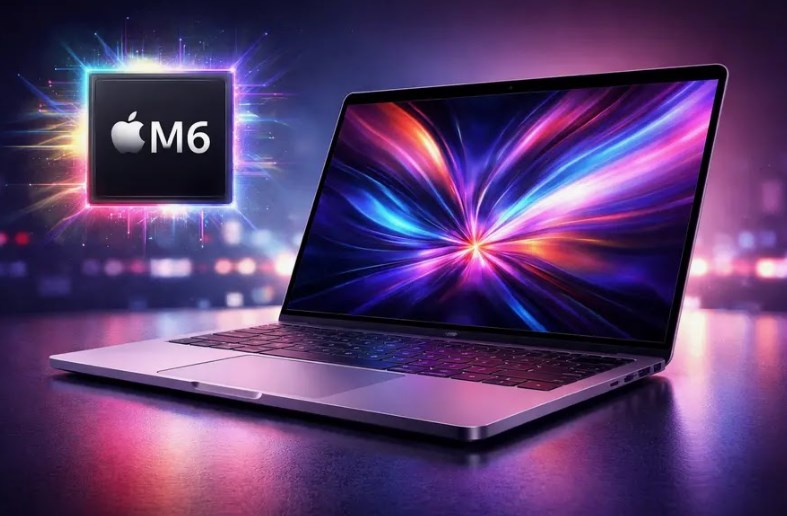
The New M6 MacBook Pro Has a Serious Price Problem – Apple’s latest MacBook Pro has arrived with a new processor, stronger graphics performance, and improved artificial intelligence capabilities. On paper, the 14-inch MacBook Pro powered by the M6 chip looks like another impressive step forward for Apple’s laptop lineup. However, there is one major issue that could make potential buyers think twice before placing an order: its price.
The new M6 MacBook Pro starts at $1,999 in the United States, putting it firmly in premium laptop territory. That price includes 16GB of unified memory and 512GB of storage. While the machine promises plenty of performance, spending nearly $2,000 on an entry-level configuration is a difficult decision when other Macs offer excellent performance for considerably less money.
The problem becomes even more noticeable when discounted alternatives enter the picture. Buyers can potentially purchase an M6 Mac mini and an M5 MacBook Air for approximately the same amount as one M6 MacBook Pro. For people who do not need a single high-performance laptop, that combination could offer considerably more flexibility. Apple has delivered a powerful new machine, but the bigger question is whether the improvements justify the asking price.
The M6 MacBook Pro Comes With a Higher Price Tag
The biggest concern surrounding the new MacBook Pro is not necessarily its hardware. Instead, it is how much Apple is asking customers to pay for the basic configuration. At $1,999, the entry-level 14-inch model costs substantially more than many laptops designed for students, office workers, and everyday users.
According to WIRED’s October 28 report, Apple increased the starting price of the base MacBook Pro by $300 earlier in 2026. That price adjustment made the previous M5 configuration harder to recommend because buyers could find cheaper MacBook Air models offering more than enough performance for ordinary computing tasks. The introduction of the M6 chip improves the value proposition in some areas, but it does not completely solve the pricing problem.
For consumers, the issue is simple: spending more money should deliver a meaningful improvement in everyday performance or functionality. Apple’s latest processor brings additional computing power, stronger graphics, and improved AI processing. However, not everyone needs those capabilities, and many users will struggle to notice a substantial difference during ordinary activities such as browsing the web, attending online meetings, writing documents, and streaming videos.
The higher starting price also creates a difficult comparison with Apple’s own products. The MacBook Air remains an attractive option for people who prioritize portability, battery life, and reliable performance. When a less expensive laptop can handle most daily tasks comfortably, Apple needs to make a stronger case for why buyers should spend hundreds of dollars more on the entry-level Pro model.
The M6 Chip Is Powerful, but Not Everyone Needs It
There is no denying that the M6 chip brings meaningful improvements. Apple says the new processor features a 12-core CPU and a 12-core GPU, delivering up to 30% faster graphics performance than the previous M5 generation. The company also highlights improved on-device AI performance, which could benefit developers, creative professionals, and people working with increasingly demanding software.
These improvements could make a noticeable difference in professional workflows. Video editors may appreciate faster rendering, designers can benefit from improved graphics performance, and developers may find that compiling large projects takes less time. The additional AI processing capabilities could also help applications perform certain tasks locally without depending entirely on cloud services.
Apple has also upgraded wireless connectivity with Wi-Fi 7 and Bluetooth 6. These additions help modernize the machine and provide better support for compatible networking equipment and accessories. Combined with the laptop’s high-quality display, strong speakers, and extensive connectivity options, the M6 MacBook Pro remains a compelling package for people who need a versatile professional computer.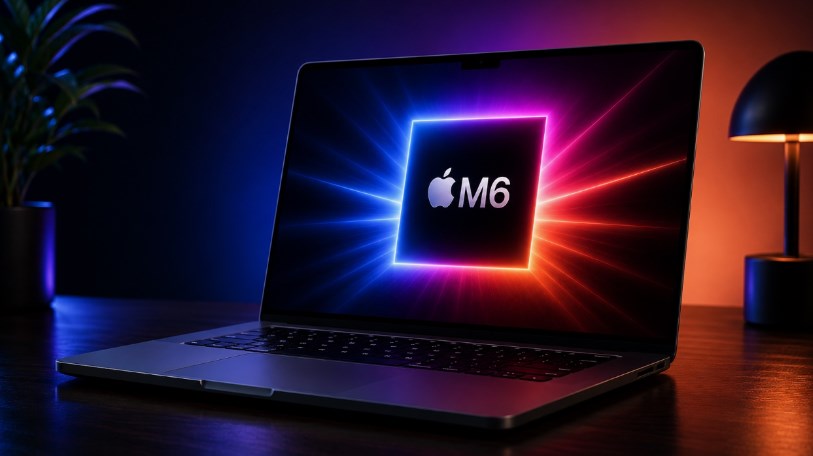
Nevertheless, specifications alone do not determine whether a laptop is worth buying. A faster processor matters most when users regularly run applications that take advantage of the additional performance. For someone who spends most of the day using office software, browsing websites, or managing email, the M6 chip could be more power than necessary. Apple’s challenge is convincing buyers that these improvements are worth the extra cost rather than simply offering a newer processor at a premium price.
The Mac mini and MacBook Air Make an Interesting Alternative
One of the strongest arguments against buying the M6 MacBook Pro comes from Apple’s own product lineup. As WIRED points out, the M6 Mac mini has been discounted to around $779, while the 13-inch M5 MacBook Air has dropped to approximately $1,149 during recent promotions. Together, those two devices cost roughly $1,928, which is close to the M6 MacBook Pro’s $1,999 starting price. The comparison becomes particularly interesting for people who work from multiple locations or need a dedicated computer for demanding tasks.
The Mac mini can serve as a desktop workstation, handling heavier workloads while remaining connected to a monitor and other peripherals. Meanwhile, the MacBook Air provides a portable computer for meetings, travel, studying, and working away from home. Depending on the configuration, the desktop system can also be equipped with additional memory for more demanding workloads.
This arrangement could appeal to developers, technology enthusiasts, and people experimenting with local AI applications. Instead of relying on one expensive laptop for everything, they can divide their work between a desktop computer and a lightweight notebook.
Of course, the comparison has limitations. The Mac mini requires a separate display, keyboard, and mouse if the user does not already own them. Carrying two computers is also less convenient than traveling with a single laptop. Furthermore, the MacBook Pro offers a superior built-in display, powerful speakers, and a more complete collection of ports. Even so, the alternative demonstrates that spending $2,000 does not automatically mean the MacBook Pro is the smartest purchase.
Spending a Little More Could Get You a Better MacBook Pro
Another problem for the base M6 MacBook Pro is the existence of higher-performance configurations from the previous generation. According to WIRED, buyers can find an M5 Pro-powered MacBook Pro for approximately $200 more than the entry-level M6 model, depending on current pricing and configuration. The New M6 MacBook Pro Has a Serious Price Problem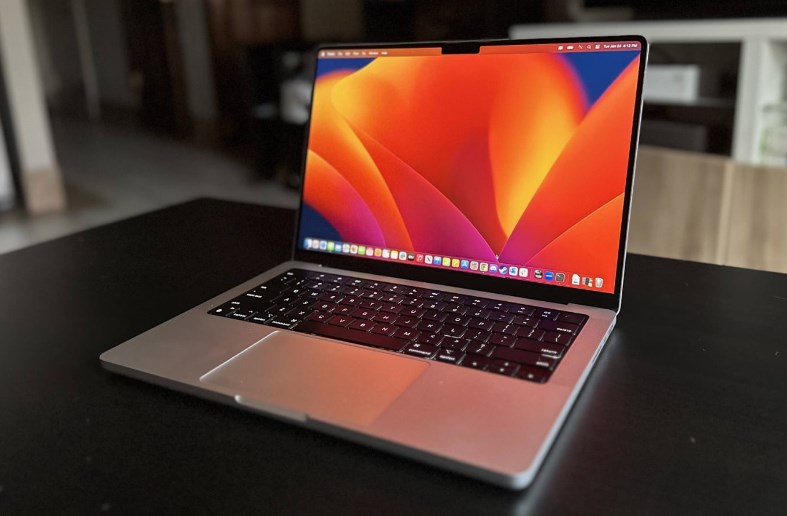
That creates an awkward situation for Apple. The newer M6 chip may deliver stronger performance in certain areas, particularly graphics and AI-related tasks, but the M5 Pro model belongs to a higher performance tier. For professionals who need substantial computing power, the Pro-class processor could be more valuable than simply choosing the newest standard chip.
The distinction matters because Apple’s processor lineup serves different audiences. Standard M-series chips generally provide excellent performance for everyday computing and moderately demanding creative tasks. Pro and Max versions are designed to accommodate heavier workloads, including complex video editing, advanced graphics production, and intensive multitasking.
However, buyers should compare complete configurations rather than processor names alone. Memory capacity, storage, battery life, software requirements, and available ports can all affect the experience. A discounted M5 Pro model may offer better value for some professional workloads, but the M6 MacBook Pro could still be preferable for users who prioritize the newest architecture and its specific AI improvements. Ultimately, the best purchase depends on the applications people use and how much performance they genuinely need.
Apple’s Premium Strategy Faces a Tougher Test
Apple has built its reputation on premium hardware, polished software, and close integration between its devices. Many customers are willing to pay extra because they value the company’s design, reliability, battery efficiency, and long-term software support. The MacBook Pro remains an important part of that strategy.
However, premium pricing becomes harder to justify when alternatives within the same ecosystem compete so directly. Buyers can compare the MacBook Pro with the MacBook Air, Mac mini, and discounted previous-generation models without leaving Apple’s product lineup. That makes the purchasing decision more complicated than simply choosing between Apple and Windows.
The starting configuration also matters. Sixteen gigabytes of unified memory is sufficient for many users, but people who regularly work with large video projects, virtual machines, complex development environments, or local AI models may want additional memory. Because upgrades can increase the final price, the cost of a more suitable configuration could climb beyond the advertised entry price.
Apple’s long-term challenge is maintaining its premium positioning while ensuring that each model offers a clear reason to exist. If customers repeatedly discover that a different Mac delivers better performance or flexibility for the same money, they may delay upgrading or choose another configuration. The M6 MacBook Pro does not necessarily need a price cut to succeed, but it does need to demonstrate why its particular combination of portability, performance, and display quality is worth the investment. The New M6 MacBook Pro Has a Serious Price Problem
Should You Buy the M6 MacBook Pro?
The new M6 MacBook Pro is an impressive laptop, but it is not an automatic recommendation for every buyer. Its $1,999 starting price makes the most sense for people who specifically need a powerful portable workstation with a high-quality display, strong speakers, modern connectivity, and improved AI capabilities. For professional video editors, developers, photographers, and other demanding users, those features could justify the expense. People upgrading from much older Apple Silicon machines may also see substantial performance improvements, particularly if their current computers struggle with modern creative applications. The New M6 MacBook Pro Has a Serious Price Problem
For students and everyday users, however, the MacBook Air is likely to be the more sensible option. It delivers excellent performance in a lighter design and generally costs considerably less. Meanwhile, people who primarily work at a desk may find that a Mac mini paired with a portable laptop offers more flexibility for a similar budget. Buyers should also monitor discounts on older MacBook Pro configurations. A previous-generation model with a Pro-class processor may offer a better balance of price and performance, depending on the workload.
The bottom line is that Apple’s M6 MacBook Pro has a pricing problem, not necessarily a performance problem. The new chip brings meaningful improvements, but those upgrades do not automatically make the base model the best value in Apple’s lineup. Before spending nearly $2,000, shoppers should compare their options carefully and choose the Mac that best matches their actual needs rather than simply buying the newest model.
About the Author