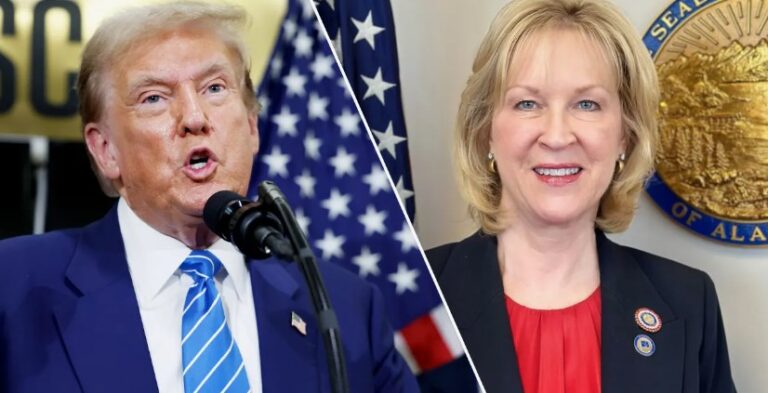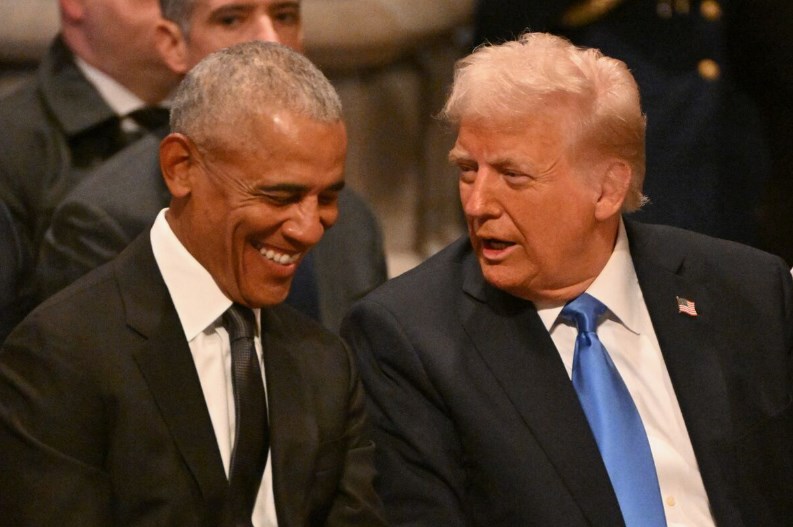
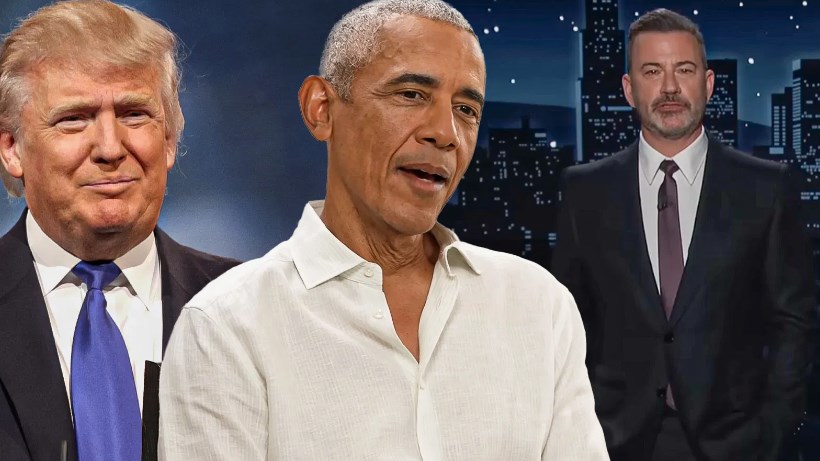
 Obama defends Cheesecake Factory after Trump joke – Former President Barack Obama has found himself at the center of an unexpected political controversy after a joke about President Donald Trump’s White House renovations turned The Cheesecake Factory into a talking point in the final days before the 2026 midterm elections. Obama defends Cheesecake Factory after Trump joke
What began as a humorous comparison at a Democratic campaign rally has grown into a broader dispute involving presidential decor, political rivalries, accusations of elitism, and the rising cost of everyday life. Trump and several of his allies have pushed back against Obama’s remarks, defending both the restaurant chain and the president’s decision to make extensive changes to the White House.
Obama, meanwhile, has made it clear that he is familiar with the restaurant he referenced. Speaking at a Democratic rally in Georgia, the former president explained that he regularly took his two daughters to The Cheesecake Factory, Chuck E. Cheese, and California Pizza Kitchen while they were growing up. He described the restaurant as a familiar part of family life and used the moment to question why the administration had devoted so much attention to his joke.
The exchange has become an unusual feature of the midterm campaign, with both political parties attempting to turn a dispute over interior decoration into a larger argument about leadership, priorities, and the concerns of ordinary Americans.
How Obama’s Cheesecake Factory Joke Started the Controversy
The controversy began on October 24, when Obama appeared at a campaign rally in Cleveland, Ohio, to support Democratic candidates Sherrod Brown and Amy Acton. During his remarks, he criticized Trump’s focus on renovating the White House and suggested that the president appeared more interested in decorating than addressing the country’s pressing challenges.
Obama pointed to several changes associated with Trump’s second administration, including the planned White House ballroom, the paving of the Rose Garden, a helicopter landing area on the South Lawn, and the extensive use of gold-colored decorations in the Oval Office.
He then delivered the line that quickly attracted national attention, comparing the White House’s new appearance to something that Saddam Hussein might have created for a Cheesecake Factory. The comparison combined a reference to the former Iraqi leader’s extravagant palaces with the restaurant chain’s ornate interiors and elaborate decorative style.
The crowd responded with laughter, and the remark soon spread across news outlets and social media. Obama’s criticism was not simply about a restaurant’s appearance. It was intended to question Trump’s aesthetic choices and broader priorities while campaigning for Democrats ahead of the November 3 midterm elections.
However, the reference to The Cheesecake Factory opened a second front in the dispute. Conservative commentators began arguing that Obama’s joke showed a lack of appreciation for a restaurant popular with American families. What had started as a criticism of presidential renovations quickly developed into a debate about class, taste, and whether political leaders understand the everyday experiences of the people they represent.
Obama Explains Why The Cheesecake Factory Matters to Him
As the backlash continued, Obama addressed the controversy during a campaign appearance in Georgia on October 28. Rather than backing away from the joke, he offered a personal explanation for why the restaurant was a familiar part of his life.
Obama said that raising two daughters had meant spending considerable time at family-friendly restaurants and entertainment venues. He recalled visits to Chuck E. Cheese and California Pizza Kitchen as well as The Cheesecake Factory, describing the latter as one of his family’s regular destinations.
His response challenged the suggestion that mentioning the chain meant he was unfamiliar with it or looking down on the people who eat there. Instead, he framed it as a recognizable reference drawn from ordinary family experiences.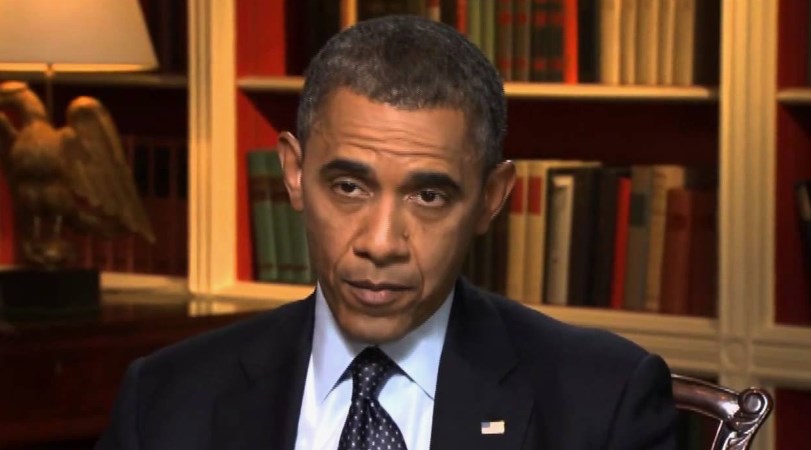
The former president also redirected attention toward the original point of his criticism. In his view, the debate had become focused on a joke about restaurant decor rather than the economic and political issues he had raised at the rally.
Obama argued that the administration had not meaningfully addressed his criticism of rising prices, tariffs, and allegations of corruption. He suggested that the extensive reaction to his remarks demonstrated how easily a political dispute could shift away from substantive questions.
His comments kept the controversy alive while reinforcing the message he has delivered throughout his campaign appearances: voters should pay attention to the administration’s policies and priorities rather than allowing the news cycle to revolve around personal insults.
Trump Pushes Back and Defends the White House Renovations
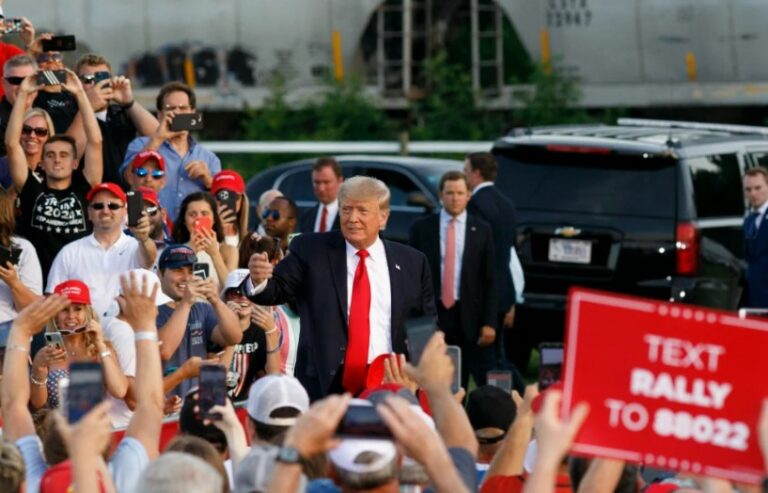
Trump responded to Obama’s remarks during a campaign rally in Corinth, Mississippi, on October 26. He defended the renovations and argued that maintaining the White House was an important responsibility of the presidency.
The president said the building needed repairs and described problems he claimed to have encountered, including damaged plaster, cracked columns, missing decorative elements, and broken tiles. He insisted that the White House should be maintained to a high standard because it represents the United States.
Trump also defended the use of skilled craftspeople in the renovation work and rejected the suggestion that the projects had distracted him from his presidential responsibilities. He described the work as something he enjoyed and said it was an honor to improve the historic residence.
The restaurant itself became part of his response. Trump praised The Cheesecake Factory as a successful company and suggested that Obama’s criticism reflected an inability to appreciate successful businesses.
He also took a personal swipe at his predecessor, saying Obama would not understand the importance of keeping the White House clean, beautiful, and in good condition.
The exchange reflects a longstanding rivalry between the two presidents. Obama has repeatedly criticized Trump’s conduct and policies, while Trump has frequently responded with attacks on Obama’s record and presidency. This time, however, their disagreement has unfolded around an unusually specific subject: the appearance of the executive mansion and a familiar restaurant chain.
Republicans Turn the Dispute Into a Question of Elitism
Several conservative figures seized on Obama’s joke to argue that he was out of touch with ordinary Americans. Their criticism focused on the idea that using The Cheesecake Factory as a negative comparison insulted a restaurant that many families enjoy.
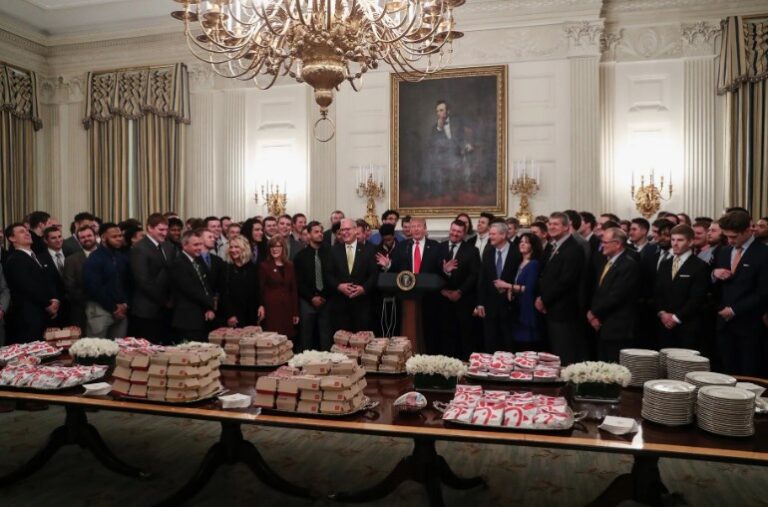
Treasury Secretary Scott Bessent joined the debate by visiting a Cheesecake Factory and encouraging Obama’s affluent social circle to give the restaurant a try. Other conservative commentators also highlighted the chain’s popularity and accused the former president of condescending to everyday diners.
This reaction transformed the story into a familiar political argument about cultural identity and class. Republicans sought to portray Obama as an elite figure who was mocking a business associated with mainstream American dining. Supporters of Obama, meanwhile, argued that the joke was aimed at Trump’s lavish decorating choices rather than at the restaurant or its customers.
The distinction matters because the original remark explicitly connected the restaurant comparison with Saddam Hussein and the extensive gold decorations in the White House. Critics and defenders have interpreted that comparison differently, and the disagreement has helped the story remain in the public conversation.
The controversy also demonstrates how quickly a seemingly minor comment can become a political talking point during an election campaign. In an environment where both parties are trying to energize supporters and attract undecided voters, even a joke about furniture and restaurant decor can take on a larger significance.
Rising Prices Remain Part of the Larger Debate
For Obama, the most important issue is not whether The Cheesecake Factory is an appropriate comparison for the White House. He has argued that the public discussion should return to economic concerns, including inflation, tariffs, and the affordability of everyday goods and services. Obama defends Cheesecake Factory after Trump joke
His remarks come as candidates from both parties campaign on issues affecting household budgets. Food prices, housing costs, energy expenses, and access to affordable services remain important subjects in national political debates.
Obama’s argument is that the attention devoted to his joke has distracted from questions about how the administration is addressing those concerns. Trump and his allies, by contrast, have used the controversy to defend the president’s renovation projects and challenge Obama’s portrayal of them.
Neither side has allowed the dispute to remain a simple exchange of jokes. Instead, both have connected it to larger claims about leadership and public priorities.
The timing is significant because the November 3 midterm elections will determine control of Congress. Obama is campaigning for Democratic candidates, while Trump is working to support Republican candidates. Their public exchanges are therefore taking place within a broader political contest over the direction of the country.
Whether the Cheesecake Factory controversy changes voters’ views is uncertain. Its immediate significance is that it has provided both sides with another opportunity to communicate their preferred messages to supporters.
A Small Joke With a Bigger Political Meaning
Obama’s defense of The Cheesecake Factory has brought the dispute back to its original point: his criticism of Trump’s White House renovations. By explaining his personal familiarity with the restaurant, he has pushed back against accusations that the comparison reflected contempt for ordinary Americans.
Trump, meanwhile, has maintained that the renovations are necessary to preserve and improve the presidential residence. His response has emphasized the importance of maintaining the building, the work of the craftspeople involved, and his own interest in the projects.
The argument is unlikely to settle the broader disagreement over the White House’s changing appearance. It does, however, illustrate how personal rivalries, cultural references, and everyday businesses can become part of national political debate.
For Obama, the controversy offers another chance to question the administration’s priorities and bring economic issues back into the conversation. For Trump, it has become an opportunity to defend his renovations and challenge his predecessor’s criticism.
Ultimately, the Cheesecake Factory dispute is about more than gold decorations or restaurant interiors. It reflects the competing ways the two political figures want Americans to understand the presidency, public spending, and the issues that deserve attention during an election campaign. With Election Day approaching, the exchange is likely to remain part of the political conversation as both parties continue making their case to voters. Obama defends Cheesecake Factory after Trump joke
About the Author