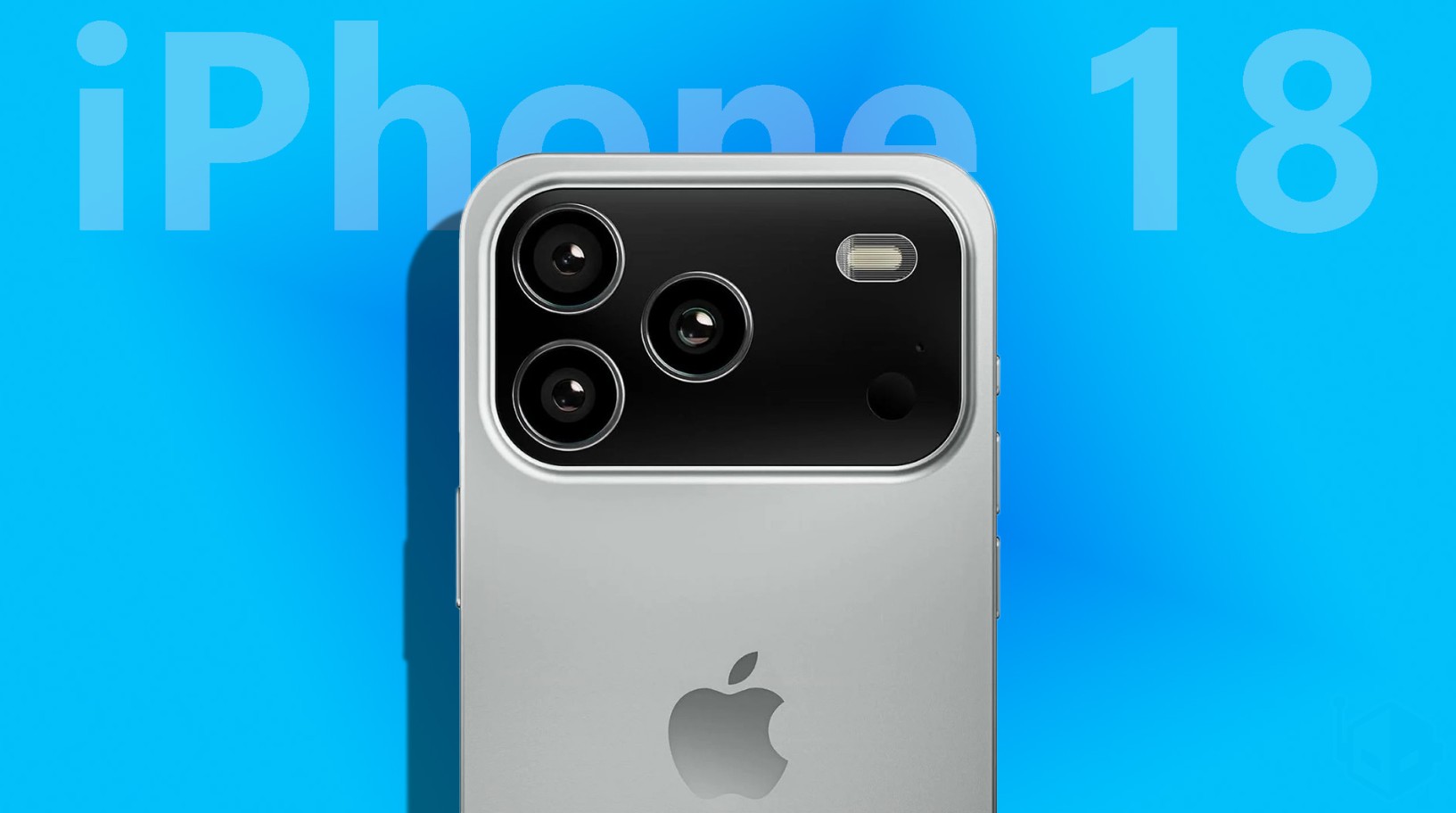
The iPhone 18 might not be released this year. – Apple releases new iPhones around this time every year. Soon after, the products—which typically range from base models to more pricey and high-end Pro variants—go on sale. However, this year is probably going to be different—and not just because the corporation has a new CEO.
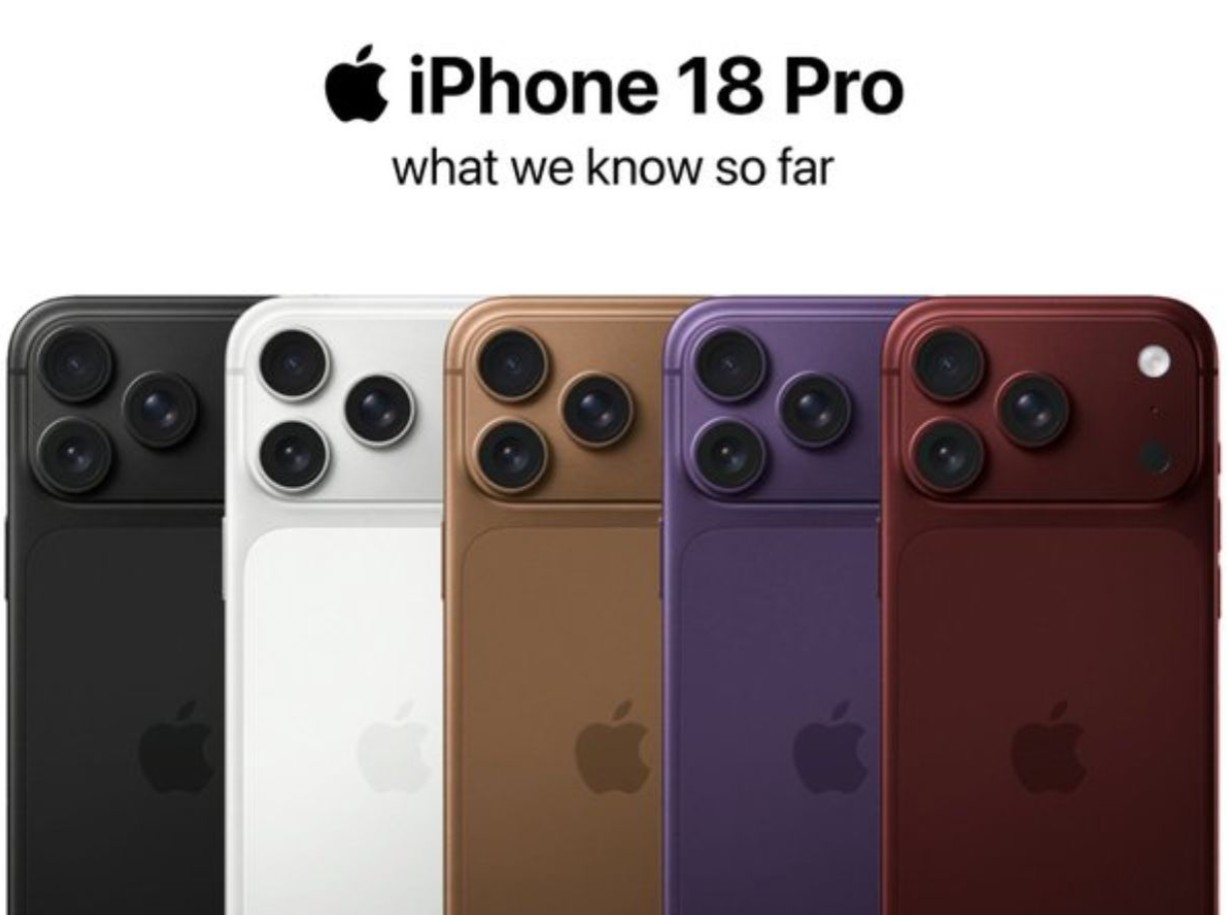
Last week, Apple revealed that its iPhone event, titled “Surprise and Shine,” would take place on September 9 at 10 a.m. Pacific (1 p.m. Eastern). assuming you watch the livestream, you can anticipate the release of the iPhone 18 Pro and 18 Pro Max, as well as the first glimpse of an Apple foldable handset assuming all the rumors and widely held expert forecasts are accurate.
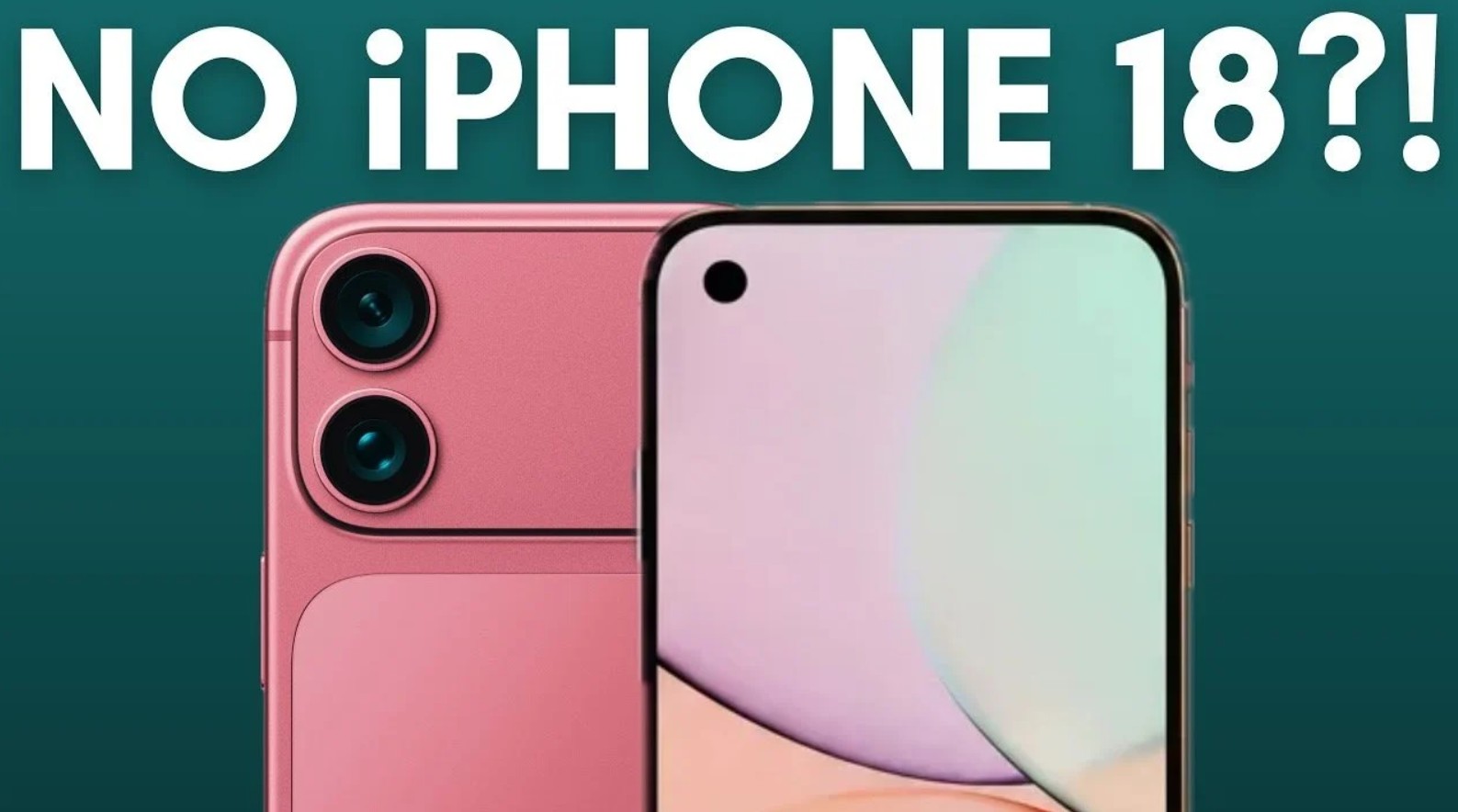
Apple is anticipated to emphasize its more costly, premium smartphones this year and postpone the release of its base model iPhone 18, based on leaks, the ongoing tech rumor mill, and its respectable track record at figuring these things out. According to rumors, the less expensive variant will be released in the spring of 2027, possibly in conjunction with the iPhone 18e and possibly a second-generation iPhone Air.
Why did the plan shift so drastically? It might be because of the persistent memory shortage, which has increased the cost of almost everything. Apple has not been exempt. Tim Cook, the former CEO of Apple, admitted in June that the company will increase product pricing to cover production costs.
According to Nabila Popal, senior director of data and analytics at IDC, “we assume that they’re going to be launching three models in the fall, the premium side of the models of the 18 series.” “The mid/budget devices will then be released in the spring.”
According to Popal, it’s a wise strategic decision because Apple wants to distribute its earnings between a typically considerably worse spring quarter the next year and a typically extremely robust fourth quarter. The iPhone Pro and Pro Max series are more alluring for those who are already willing to shell out the cash for a new iPhone, and Apple’s portfolio has also grown.
When component costs rise, businesses have three practical choices: Increase prices, absorb the expenses, or, as Apple appears to be doing, embrace it. Apple may create anticipation for its larger, better, more expensive products by delaying its less expensive options. It is perhaps less offensive to charge extra for things than to make a cheap phone even more costly. It’s a component of what Popal refers to as the “premiumization” of gadgets, which Apple intends to capitalize on and create excitement for its more expensive options.
The Global Electronics Association’s top economist, Shawn DuBravac, tells WIRED that he is hopeful about what these kinds of price increases would ultimately imply for consumers.
According to DuBravac, “the deflationary pressures of technology have always flowed to the consumer throughout history.” “I’m sure that will happen once more. The markets will simply need some time to stabilize. To put it another way, new technologies are initially expensive, but production efficiency and competition eventually drive down consumer costs.
For folding phones, which are now more expensive than ever, that could not be the case very soon. Google’s new Pixel 11 Pro Fold, Motorola’s Razr 2026 models, and Samsung’s complete 2026 Galaxy Z folding smartphone lineup all suffered price rises. The estimated price of Apple’s foldable iPhone is $2,000.
Apple is using trade-in programs and financing options to assist offset those hefty expenses. The company introduced an iPhone leasing scheme in July that allows customers to rent the newest iPhones for a monthly charge and replace them when a new model is released. Ownership advocates have opposed the program, claiming it prevents you from actually owning and maintaining your item, even though it will surely let more people purchase the newest gadgets. Additionally, it aligns with Apple’s larger ambition to convert all of its goods into subscription services.
About the Author