The Apple HomeView Is Like a Giant Apple Watch for the Home – Apple has spent years building an ecosystem in which its devices work together to make everyday life easier. The iPhone keeps people connected, the Apple Watch brings important information to the wrist, and the HomePod adds voice-controlled convenience to the living room. Now, the idea of an Apple HomeView introduces an interesting possibility: a smart home display that brings many of these experiences together in one central place. Imagine a device that looks and feels like a giant Apple Watch, but instead of sitting on your wrist, it becomes part of your home.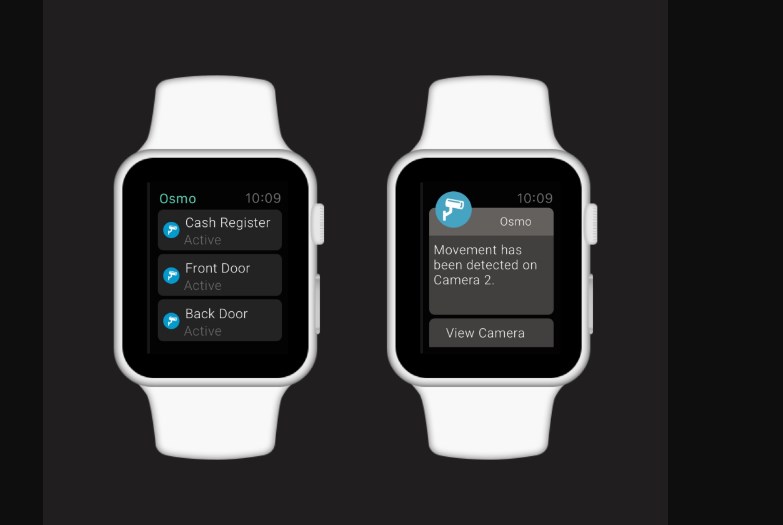
The concept is appealing because managing a connected home can sometimes feel more complicated than it should be. People may need to open different apps to control lights, check security cameras, adjust the temperature, or communicate with family members. A dedicated home display could simplify these tasks by putting everything on one screen. Rather than reaching for an iPhone every time someone wants to turn off a light or check who is at the front door, they could simply glance at the HomeView and interact with it directly.
However, it is important to distinguish the concept from an officially confirmed product. The name Apple HomeView and the idea of a giant Apple Watch for the home should not automatically be treated as a finalized Apple device with confirmed specifications, pricing, or a release date. Nevertheless, the concept offers a useful look at how Apple could expand its smart home ambitions and make its ecosystem more accessible throughout the house.
A Giant Apple Watch Designed for Everyday Living
The most interesting part of the HomeView idea is its resemblance to the Apple Watch. Apple’s smartwatch succeeds partly because it presents useful information in a compact, visually organized format. Users can see the time, check notifications, monitor activity, and access small applications without navigating complicated menus. A larger home display could apply that same philosophy to a completely different environment.
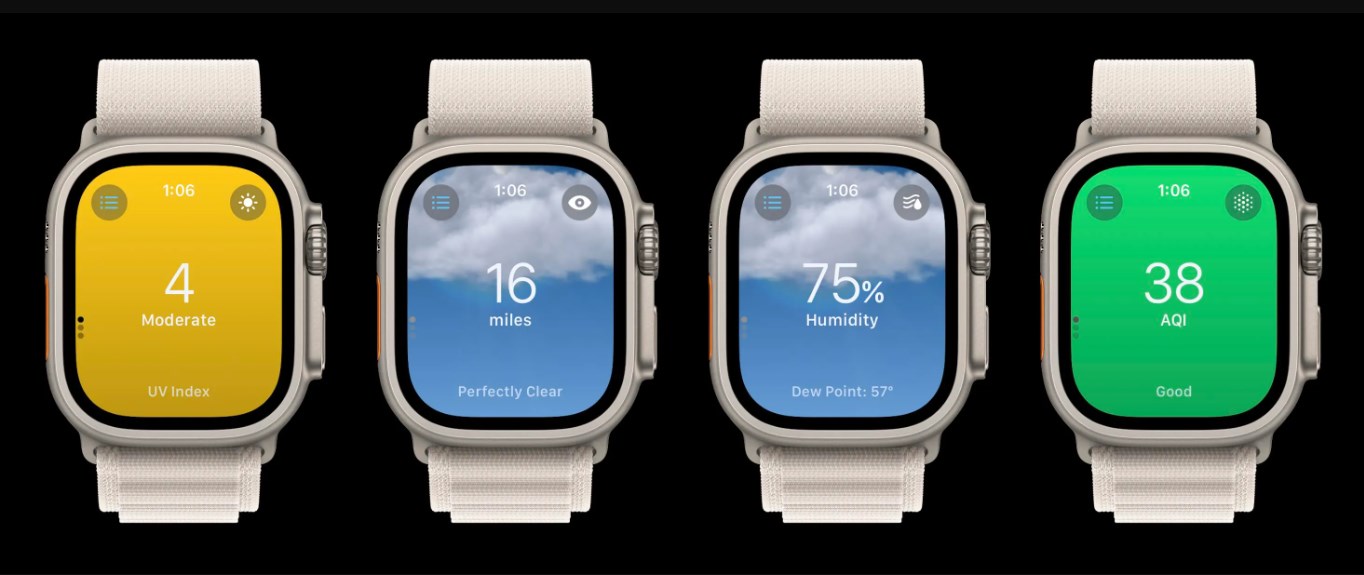
Instead of showing information on a tiny wrist-mounted screen, a home display could present a clock, weather forecast, calendar appointments, reminders, and smart home controls in a format that is easy to read from across a room. Its interface could feature familiar widgets, clean typography, simple icons, and customizable layouts. Someone walking into the kitchen in the morning might immediately see the time, today’s schedule, and the weather before leaving for work.
The larger display would also make interactions more practical. Touch targets could be bigger, menus could be easier to navigate, and several useful controls could appear simultaneously. A family member might adjust the lighting while another checks the day’s calendar, all without having to search through multiple smartphone applications. The goal would not simply be to enlarge an Apple Watch interface, but to adapt its simplicity to a shared household environment.
Design would likely be an important part of the experience. Apple products typically emphasize restrained styling, straightforward controls, and integration with their surroundings. A HomeView-style device could follow the same approach, using a display and stand or wall-mounted design that fits naturally into a kitchen, hallway, bedroom, or living room. The challenge would be making the device attractive without allowing it to become another screen that adds clutter to the home.
Smart Home Controls at the Center of the Experience
A giant Apple Watch-inspired display would make the most sense if it served as a central control point for the connected home. Apple’s Home app already provides a way to manage compatible accessories, including lights, plugs, thermostats, locks, and other smart devices. A dedicated display could make these controls more visible and convenient for everyone in the household.
For example, a user could create a morning scene that switches on selected lights, displays the weather, and shows the first appointments of the day. An evening scene might dim the lights, adjust compatible climate controls, and make security camera feeds easier to access. These routines could reduce the number of individual actions required to prepare the home for different parts of the day. The Apple HomeView Is Like a Giant Apple Watch for the Home
Voice control could complement the touchscreen. With Siri integration, users might be able to ask for the weather, set a timer, add an item to a shopping list, or control compatible accessories without touching the display. This would be especially useful when cooking, carrying groceries, or moving around the house. A well-designed interface would offer multiple ways to interact, allowing people to choose between voice commands, touch controls, and quick visual checks.
Compatibility would also matter. Apple’s smart home platform supports devices using standards such as Matter, although actual functionality depends on the accessory, its capabilities, and the available home hub configuration. A HomeView-style product would be more valuable if it worked smoothly with a broad selection of compatible products rather than forcing users to purchase an entirely new collection of accessories. Ultimately, the most important feature would be reliability. Smart home controls should respond quickly, present clear device statuses, and make common tasks easy to complete. If a display takes too long to load or requires too many taps to perform basic actions, people may return to their phones instead.
Communication, Personalization, and Family Organization
Beyond controlling connected accessories, a HomeView-style device could become a shared communication center for the entire family. The Apple Watch is designed around personal information, but a larger home display could combine individual schedules with information that matters to everyone. A family calendar, reminders, grocery lists, and household notes could appear together on the screen, helping people stay organized without sending constant messages to one another.
Imagine a household where everyone has a busy schedule. Parents could check upcoming appointments, children could see reminders about school activities, and family members could add items to a shared shopping list as soon as they run out of something. Instead of relying on paper notes attached to the refrigerator, the household could use one digital space that updates as information changes. The Apple HomeView Is Like a Giant Apple Watch for the Home
Personalization would be another opportunity. Different screen layouts could suit different rooms and routines. In the kitchen, the display might prioritize timers, recipes, weather, and shopping lists. In a bedroom, it could emphasize the clock, alarms, and a quieter nighttime interface. A living room version might focus on photos, music controls, and smart home access.
The challenge would be balancing personal convenience with shared access. A home display should not automatically expose private messages, sensitive notifications, or personal information to everyone nearby. Ideally, users would have clear controls over which information appears publicly and which remains accessible only after authentication. Privacy-conscious design would be essential if the device were expected to become a permanent part of everyday family life.
The Challenges Apple Would Need to Solve
Despite its potential, a giant Apple Watch for the home would face several practical challenges. The first would be deciding how the display should operate when nobody is actively using it. A screen that remains bright throughout the day could be distracting, consume unnecessary energy, and feel out of place in a quiet room. Features such as adjustable brightness, an ambient clock, automatic dimming, and a low-power standby mode could help address these concerns.
Price would also influence its appeal. Many people already own an iPhone, an Apple Watch, or a HomePod, so they might question whether another device is necessary. Apple would need to offer enough additional convenience to justify the expense. A dedicated screen that genuinely simplifies household routines could be attractive, but a product that merely duplicates the Home app on a larger display might struggle to convince consumers.
Privacy and security would be equally important. If the device included cameras or microphones, users would need understandable controls for permissions, recording, and data access. Secure authentication would matter particularly when controlling smart locks, viewing security cameras, or managing other sensitive accessories. People should be able to understand when the device is listening, which information is being shared, and how to disable features they do not want.
Software support would determine whether the product remained useful over time. Apple would need to make the interface responsive, keep smart home integrations dependable, and ensure that updates did not complicate basic functions. Accessibility should also be considered, including readable text, clear contrast, voice interaction, and straightforward navigation for people with different needs.
Conclusion: Could HomeView Change the Smart Home?
The Apple HomeView concept is compelling because it combines two familiar ideas: the glanceable interface of the Apple Watch and the convenience of a central smart home display. Instead of treating the home as another place where people constantly need to check their phones, such a device could make useful information and everyday controls available exactly where they are needed. The Apple HomeView Is Like a Giant Apple Watch for the Home
Its greatest advantage would not necessarily be a larger screen or a more advanced processor. It would be the ability to bring together calendars, household reminders, smart accessories, voice assistance, and personalized information in a single, approachable experience. If Apple could make those features work naturally, the device might become a useful part of daily routines rather than another piece of technology that people eventually ignore.
Still, the concept would need to prove its value through thoughtful design, dependable performance, reasonable pricing, and strong privacy protections. It would also need to offer something meaningfully different from an iPad mounted on a wall or a HomePod paired with an iPhone.
For now, Apple HomeView should be understood as a concept rather than a confirmed product with established specifications. Even so, the idea captures an appealing direction for Apple’s smart home ecosystem. A giant Apple Watch designed for the home could turn familiar information into something more accessible, transform complicated controls into simple interactions, and make connected living feel less like managing technology and more like enjoying a home that works around its occupants.
About the Author