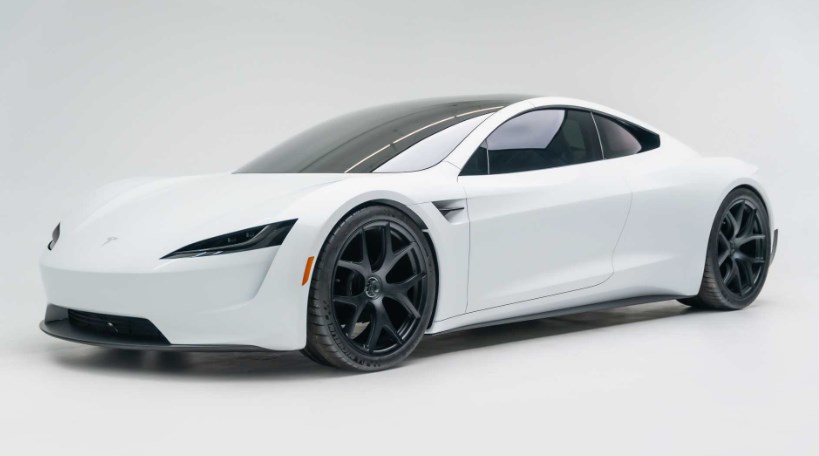
Tesla’s Roadster 2 Is Late—and Entering a Different EV World – When Tesla first introduced the next-generation Roadster, it promised something that sounded almost unbelievable: an electric sports car capable of delivering extraordinary acceleration, impressive driving range, and performance that could challenge some of the world’s most exciting supercars. The announcement generated enormous excitement among electric vehicle enthusiasts, technology fans, and performance car lovers. Tesla was not simply promising another electric car. It was suggesting that the future of high-performance driving could be faster, cleaner, and more exciting than anything traditional automakers had offered. Tesla’s Roadster 2 Is Late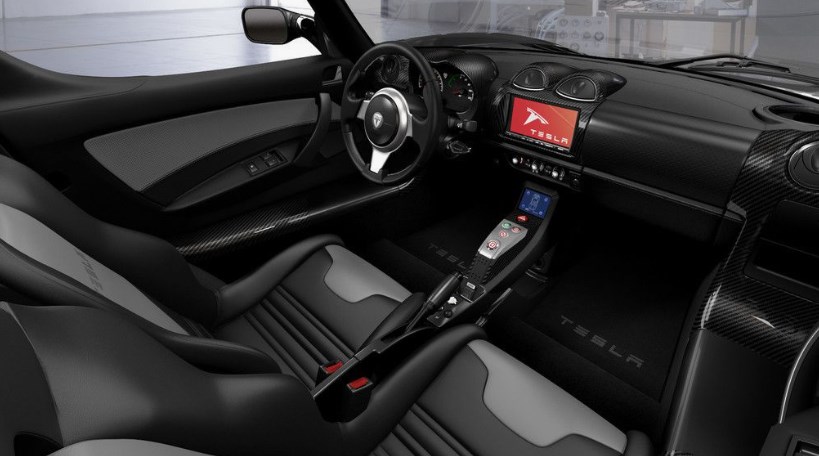
However, the second-generation Tesla Roadster has taken much longer to arrive than many people expected. Years have passed since its original unveiling, and the electric vehicle industry has changed dramatically during that time. Competitors have introduced increasingly capable electric cars, battery technology has improved, and consumers have become more demanding about price, charging infrastructure, and everyday usability. What once seemed like a futuristic vehicle waiting to transform the automotive world now faces a more complicated challenge: proving that it can still deliver something genuinely special.
The delay does not necessarily mean the Roadster has lost its potential. Tesla has built its reputation partly on challenging conventional ideas about electric vehicles, and the Roadster could still become an important demonstration of what electric performance technology can achieve. Nevertheless, the market it will enter is no longer the same market that greeted its announcement. Expectations are higher, competition is stronger, and an impressive specification sheet alone may not be enough to make the car stand out.
Why the Second-Generation Roadster Has Taken So Long
Tesla unveiled the second-generation Roadster in November 2017, presenting a dramatic design and ambitious performance targets. At the time, the company suggested that the car would accelerate from zero to 60 miles per hour in around 1.9 seconds and deliver a driving range of approximately 620 miles under its originally advertised testing assumptions. Those figures immediately attracted attention because they suggested that an electric sports car could combine extreme speed with long-distance capability.
The vehicle was initially expected to arrive much sooner than it has. However, Tesla’s priorities have shifted repeatedly as the company concentrated on expanding production, improving battery technology, developing new models, and increasing manufacturing capacity. The Model 3 and Model Y became central to Tesla’s business, while the Cybertruck and other ambitious projects demanded additional engineering resources. Building high-volume vehicles is a very different task from developing a low-volume electric supercar, and Tesla has had to balance its limited time and resources between competing goals.
There are also technical challenges involved in delivering the Roadster’s original promises. Extreme acceleration places significant demands on batteries, motors, tires, cooling systems, and vehicle structure. Achieving exceptional range at the same time requires careful management of weight, aerodynamic efficiency, and energy consumption. Combining all these characteristics in a production-ready sports car is more complicated than presenting impressive figures during a product announcement.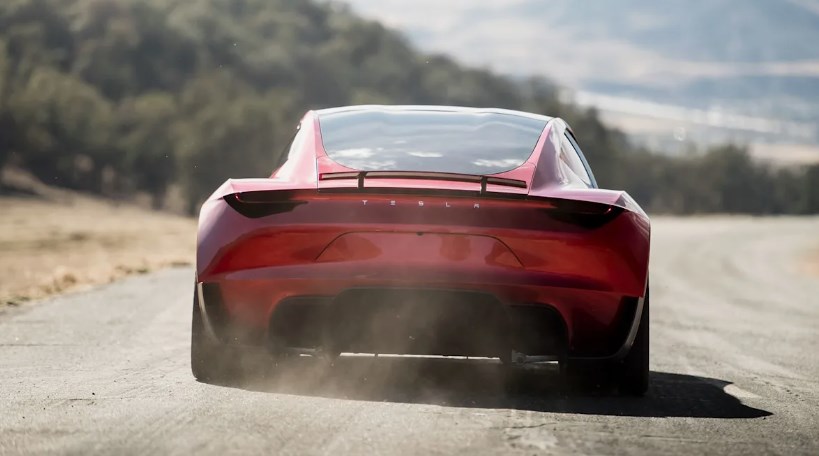
For customers who placed reservations, the extended wait has understandably raised questions about timing and final specifications. Tesla’s earlier targets should not automatically be treated as confirmed production specifications, especially after such a long development period. Until the company provides definitive production details, buyers must recognize that the finished car could differ from the original concept in important ways.
The Electric Vehicle Market Has Changed
Perhaps the biggest challenge facing the Roadster is not its engineering. It is the changing world around it. In 2017, electric vehicles were still viewed by many drivers as a developing alternative to conventional gasoline-powered cars. Tesla stood near the center of that transformation, and the original Roadster concept represented a bold statement that electric power could deliver thrilling performance rather than merely environmental benefits.
Today, electric vehicles occupy a much broader position in the automotive market. Established manufacturers and ambitious newcomers have introduced electric sedans, luxury SUVs, performance crossovers, and dedicated sports cars. Buyers have more options, while advances in electric motors, battery management, and software have made high performance increasingly accessible. Acceleration that once seemed extraordinary is now available from several vehicles that are considerably more practical than a two-seat supercar. Tesla’s Roadster 2 Is Late
The competition also comes from outside the traditional sports car category. High-performance electric sedans can provide tremendous acceleration while offering comfortable cabins, rear seating, and useful cargo space. Luxury electric SUVs combine speed with everyday convenience, making them attractive to customers who want excitement without sacrificing practicality. These vehicles may not offer the same driving experience as a dedicated sports car, but they have changed public expectations about what electric performance should look like.
Tesla therefore needs to deliver more than speed. The Roadster must provide a compelling reason for customers to choose it over increasingly capable alternatives. Its design, driving dynamics, battery performance, engineering quality, and ownership experience will all influence whether it can justify its position as a premium electric sports car. The longer development takes, the more important it becomes for Tesla to demonstrate that the wait has resulted in meaningful improvements rather than simply a delayed version of an old promise.
Performance Is Important, but the Experience Matters More
The Roadster’s original performance claims remain a major part of its appeal. Tesla has described a vehicle capable of extraordinary acceleration, a top speed exceeding 250 miles per hour, and a long driving range that would be unusual for a car focused so heavily on performance. If the production model comes close to delivering those targets, it could still become one of the most talked-about electric sports cars on the market. However, the company will need to demonstrate how those numbers translate into real-world driving rather than relying entirely on figures announced years ago.
A sports car is about more than acceleration. Drivers expect precise steering, balanced handling, strong braking performance, and a sense of connection between the vehicle and the road. Delivering these qualities in a powerful electric car requires careful engineering because battery packs add weight, while instant electric torque can make traction difficult to manage. A successful Roadster must feel exciting through corners and on challenging roads, not simply during a straight-line acceleration test.
Tesla’s software expertise could also help distinguish the vehicle. Modern electric cars depend heavily on electronic systems that control power delivery, traction, battery temperature, and energy recovery. A well-integrated system could help the Roadster provide consistent performance while protecting its battery and motors under demanding conditions. However, software cannot replace the fundamentals of chassis development, tire selection, suspension tuning, and driver-focused engineering.
Another important question concerns the cabin and everyday usability. Customers paying supercar prices will expect premium materials, comfortable seating, modern connectivity, and a high standard of fit and finish. They will also want confidence that the vehicle can be serviced properly and that its advanced components will remain reliable. Tesla has an opportunity to combine its technology-driven approach with a more refined ownership experience, but the final product must demonstrate that commitment in practice.
Pricing, Production, and the Challenge of Delivering on Promises
Price will be another significant factor in the Roadster’s eventual success. Tesla’s original announcement included a starting price of $200,000, alongside a limited Founders Series priced at $250,000. Those were the figures announced in 2017, not a guarantee of what a production vehicle will cost after years of development. Changes in materials, battery technology, manufacturing costs, and the broader market could influence the final price considerably.
For customers considering a car in this category, the purchase decision involves more than comparing acceleration times. Buyers will evaluate the vehicle against established luxury sports cars and other premium electric models. They may also consider exclusivity, brand reputation, build quality, resale value, and the emotional appeal of owning something unusual. Tesla will need to make a convincing case that the Roadster offers an experience worth its price, particularly if competing manufacturers introduce similarly powerful vehicles before deliveries begin.
Production presents another challenge. Tesla has experience manufacturing vehicles at considerable scale, but the Roadster requires a different approach from the Model 3 or Model Y. A low-volume sports car may use specialized components, more demanding assembly processes, and additional quality-control procedures. Ensuring consistent performance and finish could be just as important as reaching ambitious production targets. Tesla’s Roadster 2 Is Late
Clear communication will be essential as development continues. Customers who have waited for years need realistic information about production timing, final specifications, reservation arrangements, and potential changes to the original plans. Enthusiasm can sustain interest for a long time, but uncertainty can eventually weaken confidence. A credible production schedule, supported by visible engineering progress and meaningful updates, would help Tesla rebuild momentum around the project.
Can the Roadster Still Make a Difference?
Despite its lengthy delay, the second-generation Roadster still has an opportunity to become an important vehicle for Tesla. Flagship products often serve a purpose beyond generating direct sales. They demonstrate a company’s technical capabilities, attract attention to its wider lineup, and help shape its public image. For Tesla, a successful Roadster could reinforce its reputation for pushing electric vehicle performance forward while showing how far battery-powered sports cars have progressed.
The vehicle could also provide a platform for showcasing improvements in battery efficiency, power delivery, thermal management, and lightweight construction. These technologies may eventually influence other electric vehicles, although the extent of any transfer will depend on the final engineering choices and production plans. A truly successful Roadster would demonstrate not only that an electric car can be exceptionally fast but also that it can remain capable, controlled, and enjoyable under demanding conditions.
Nevertheless, Tesla must recognize that the market no longer needs to be convinced that electric vehicles can be quick. That argument has already been made by numerous models. The Roadster’s greater challenge is to establish a distinctive identity in a crowded performance market. Its appeal will depend on whether it offers a driving experience, engineering achievement, and level of refinement that competitors cannot easily reproduce.
There is also a risk that expectations have become too high. Years of anticipation have given enthusiasts plenty of time to imagine what the Roadster might achieve. Delivering a good electric sports car may not be enough if customers expect a revolutionary machine that changes the entire industry. Tesla will have to balance its ambitious vision with realistic production capabilities and a final product that performs consistently outside controlled demonstrations.
Conclusion: A Different World Is Waiting
Tesla’s second-generation Roadster remains one of the most anticipated electric sports cars, but its extended development has changed the circumstances surrounding its arrival. When it was introduced in 2017, its promised acceleration and range helped present electric performance as something extraordinary. Today, the industry has moved forward, competitors have become stronger, and customers have more choices than ever before.
That does not make the Roadster irrelevant. If Tesla can deliver outstanding performance, engaging handling, impressive efficiency, premium quality, and a credible ownership experience, the car could still become a landmark achievement. However, the original announcement alone will not secure its success. The finished vehicle must prove that its technology and driving experience justify the long wait.
Ultimately, the Roadster’s biggest test is no longer whether an electric car can outperform expectations. It is whether Tesla can create a genuinely exceptional sports car in a market that has learned to expect impressive electric performance. The company has promised something remarkable. Now, more than ever, the automotive world is waiting to see whether it can deliver.
About the Author