Sony’s True RGB technology is aiming for the best of OLED and Mini LEDr
Sony’s True RGB technology is aiming for the best of OLED and Mini LEDr – For years, the television industry has been locked in a race to create the perfect display technology. Consumers have enjoyed significant advances in picture quality, with OLED and Mini LED emerging as the dominant premium options. Each technology has earned a loyal following, but both come with compromises.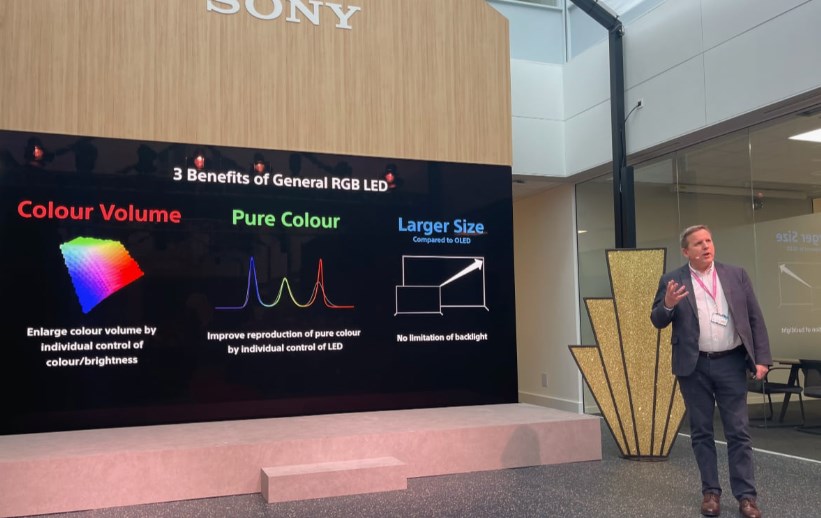
OLED is celebrated for its stunning contrast and deep blacks, while Mini LED offers exceptional brightness and durability. Now, Sony believes it may have found a way to combine the best characteristics of both worlds through its innovative True RGB display technology.
The company’s latest breakthrough has generated considerable excitement among display enthusiasts and industry experts alike. If Sony’s promises hold true, this technology could redefine what consumers expect from premium televisions and professional displays in the years ahead.
The Ongoing Battle Between OLED and Mini LED
To understand why Sony’s True RGB technology is attracting so much attention, it helps to look at the strengths and weaknesses of the display technologies currently dominating the market.
OLED televisions have long been praised for their ability to produce perfect black levels. Because every pixel generates its own light, OLED panels can completely turn off individual pixels when displaying dark scenes. This results in extraordinary contrast ratios and incredibly realistic images, especially when watching movies in dimly lit environments.
However, OLED technology isn’t perfect. While modern OLED panels have improved significantly, concerns about image retention and burn-in still exist, particularly for users who display static content for extended periods. OLED screens also tend to struggle when it comes to achieving the same peak brightness levels as some premium Mini LED displays.
Mini LED, on the other hand, excels in brightness. By utilizing thousands of tiny LED backlights and advanced local dimming zones, Mini LED TVs can produce eye-catching highlights and maintain excellent performance in bright rooms. They are also generally less susceptible to burn-in issues.
Yet Mini LED has its own limitations. Since it relies on backlighting rather than self-emissive pixels, achieving perfect black levels can be challenging. Even with sophisticated dimming systems, some blooming or halo effects may appear around bright objects against dark backgrounds. This is the gap Sony hopes to bridge.
What Is Sony’s True RGB Technology?
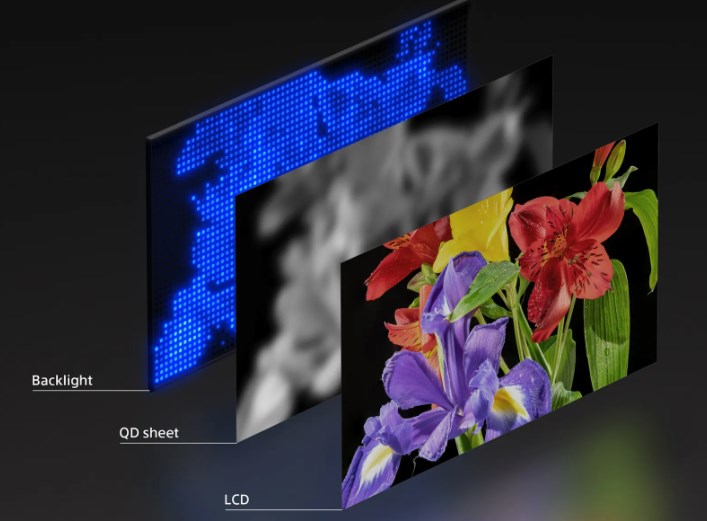
Sony’s True RGB display technology takes a unique approach to image reproduction. Instead of relying solely on traditional backlighting systems or self-emissive OLED pixels, the technology uses independently controlled red, green, and blue LED elements. The concept sounds straightforward, but its implications are significant.
Traditional LED-based displays often use blue LEDs combined with color filters or quantum dots to create the full spectrum of colors seen on screen. Sony’s True RGB method allows the red, green, and blue light sources to be controlled separately with greater precision.
This direct control can potentially deliver more accurate color reproduction, higher brightness, improved efficiency, and superior contrast performance compared to conventional display systems. In essence, Sony is attempting to create a display that offers OLED-like picture quality while maintaining many of the practical advantages associated with Mini LED technology. Sony’s True RGB technology is aiming for the best of OLED and Mini LEDr
Exceptional Color Accuracy
One of the most exciting aspects of True RGB technology is its potential to dramatically improve color performance. Color accuracy has always been a major priority for Sony, particularly because of the company’s strong ties to the film and television production industries. Sony cameras, monitors, and production equipment are widely used throughout Hollywood and broadcasting environments.
With independent RGB control, displays can reproduce colors with greater precision and consistency. Instead of relying heavily on filters that may reduce efficiency or introduce inaccuracies, True RGB technology can generate colors more directly from the source.
This could lead to richer reds, more vibrant greens, deeper blues, and smoother color transitions across the entire image. For movie enthusiasts, photographers, video editors, and gamers, these improvements could make visual content appear more lifelike than ever before.
Brightness Without Sacrificing Quality
Brightness has become an increasingly important factor in modern television design. High Dynamic Range (HDR) content relies heavily on the ability of a display to produce intense highlights while preserving shadow detail. Whether it’s sunlight reflecting off water, fireworks illuminating the night sky, or the glow of a city skyline, peak brightness plays a crucial role in creating immersive viewing experiences.
Mini LED televisions have generally held an advantage in this area, often surpassing OLED models in peak brightness measurements. Sony’s True RGB technology aims to retain this strength while simultaneously improving contrast and color fidelity. By controlling RGB elements independently, the system may deliver brighter images without introducing excessive blooming or washing out colors. This balance could provide viewers with HDR performance that feels both powerful and natural. Sony’s True RGB technology is aiming for the best of OLED and Mini LEDr
Improved Contrast and Black Levels
Perhaps the most ambitious goal of True RGB technology is achieving OLED-like contrast performance. OLED’s ability to completely switch off individual pixels remains one of its defining advantages. Sony’s new system seeks to narrow that gap through more advanced control of light output across the display. While True RGB may not function exactly like OLED at the pixel level, the precise management of red, green, and blue light sources could significantly reduce unwanted light leakage and blooming effects.
The result may be deeper blacks, more detailed shadow regions, and a stronger sense of depth within the image. Scenes with high contrast—such as star-filled skies, dark action sequences, or dramatic cinematic lighting—could appear more realistic and engaging.
Benefits for Gamers
Gaming continues to be one of the fastest-growing segments of the display market, and Sony’s technology could appeal strongly to gamers. Modern video games demand displays that can handle rapid motion, vibrant colors, deep contrast, and high brightness simultaneously. Competitive players also value fast response times and minimal visual artifacts. If True RGB technology successfully combines OLED’s contrast advantages with Mini LED’s brightness capabilities, gamers could enjoy a display experience that enhances both visual quality and gameplay performance.
Open-world environments may appear more immersive, HDR effects could become more impactful, and fast-paced action scenes may retain greater clarity and detail. For owners of current-generation gaming consoles and high-end gaming PCs, this could represent a meaningful upgrade over existing display options.
Professional Applications Beyond Home Entertainment
Sony is not just targeting television buyers. Because of the company’s extensive presence in professional imaging and content creation industries, True RGB technology may also find applications in broadcast monitors, production displays, medical imaging systems, and professional creative workstations.
Color-critical environments require exceptional accuracy and consistency. Editors, colorists, photographers, and filmmakers need displays they can trust when making creative decisions. The improved precision offered by independent RGB control could make True RGB displays especially attractive for professional workflows where image fidelity is paramount. Sony’s True RGB technology is aiming for the best of OLED and Mini LEDr
A Glimpse Into the Future of Display Technology
While Sony has not yet revealed every detail about commercialization plans, True RGB technology represents a fascinating glimpse into the future of display innovation. The television industry has spent years refining OLED and Mini LED technologies, pushing both to impressive levels of performance. Rather than choosing one side in the ongoing battle, Sony appears to be exploring a path that merges the strengths of both approaches.
If successful, True RGB displays could offer consumers deeper blacks, brighter highlights, more accurate colors, and fewer compromises than current premium display technologies. For viewers, that means movies that look closer to the filmmaker’s vision, games that feel more immersive, and everyday content that appears richer and more realistic.
The quest for the perfect display is far from over, but Sony’s True RGB technology may represent one of the most promising steps forward in years. As the technology matures and eventually reaches commercial products, it could reshape expectations for what a truly premium display experience should look like. Sony’s True RGB technology is aiming for the best of OLED and Mini LEDr
About the Author