
Samsung’s upcoming Galaxy Z Flip 8 might avoid the chip curse – Samsung’s upcoming foldable lineup is already shaping up to be one of the most closely watched product cycles in recent memory, and the rumored Samsung Galaxy Z Flip 8 is at the center of that attention. Not because it is radically reinventing the flip phone again, but because of something far more subtle—and arguably more important: the possibility that it might finally escape what many fans jokingly call Samsung’s “chip curse.” Samsung’s upcoming Galaxy Z Flip 8 might avoid the chip curse
But as with most things in tech, especially in the foldable space, the reality is more complicated. Even if Samsung manages to fix one long-standing inconsistency, not every buyer around the world will benefit equally. And nowhere does that uneven experience feel more relevant than in regions like the Sahara-adjacent markets of North Africa and parts of the broader desert belt, where environmental extremes and supply realities collide with cutting-edge consumer tech.
The “chip curse” that won’t go away quietly
For years, enthusiasts have complained about Samsung’s habit of splitting its flagship phones into different chipset versions depending on the region. Some markets get Qualcomm Snapdragon chips, while others receive Samsung’s own Exynos processors. On paper, both are flagship-class silicon. In reality, users often report differences in performance, power efficiency, heat management, and even camera processing consistency. This divide has fueled the so-called “chip curse” narrative: the idea that buying a Samsung flagship is a bit of a lottery depending on where you live.
With the Galaxy Z Flip series in particular, this issue has been especially noticeable. Foldables already push hardware harder than slab phones—thin bodies, compact cooling systems, and high-refresh displays all demand efficient processing. Any inefficiency in the chip can quickly translate into warmth, battery drain, or throttled performance.
Now, early industry chatter suggests Samsung is trying to break away from this pattern with the Galaxy Z Flip 8, possibly standardizing chipset usage more globally, or at least narrowing the performance gap between variants. If true, it would be a quiet but meaningful shift in strategy for Samsung Electronics, one that acknowledges years of user frustration without officially framing it as a correction.
Why the Flip 8 matters more than it looks like
At first glance, the Galaxy Z Flip 8 sounds like another incremental upgrade: slightly better hinge, brighter display, improved cameras, and a more efficient processor. That’s the usual rhythm of foldables. But the Flip line is strategically important for Samsung. It is not just a premium device; it is a cultural product. It represents style, portability, and a younger, design-conscious audience that values form as much as function.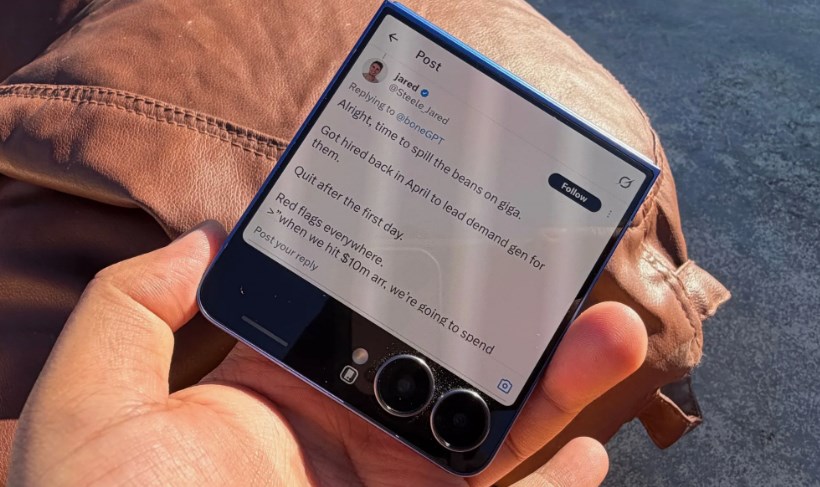
That makes consistency critical. Unlike productivity-focused devices where minor performance differences may go unnoticed, flip phones are highly visible lifestyle gadgets. A laggy animation or overheating issue is far more noticeable when the device is constantly being opened, flipped, and used in short bursts throughout the day. So if Samsung truly manages to eliminate chipset inconsistency in the Flip 8, it would be less about raw benchmark gains and more about delivering a uniform experience across markets.
But here’s where the Sahara story comes in
The twist is that even if Samsung solves the chip split problem globally, “global” rarely means perfectly equal in practice. For buyers in Sahara-adjacent regions—whether in Algeria, Libya, Mali, Chad, Niger, or parts of Sudan—the experience of using a cutting-edge foldable like the Flip 8 is shaped by more than just the processor inside.
High ambient temperatures, dust exposure, inconsistent network infrastructure, and limited flagship servicing centers all contribute to a very different real-world usage environment. And these factors can indirectly recreate the very problems Samsung is trying to eliminate.
A more efficient chip might reduce heat output in Seoul or Berlin, but under 45°C desert conditions, thermal throttling can still kick in faster than users expect. Batteries degrade faster in sustained heat. Hinges accumulate dust more aggressively. Even the best silicon can only do so much against physics.
So while the Galaxy Z Flip 8 might avoid the “chip curse” in the traditional sense, Sahara-region buyers could still experience performance variation—not because of different processors, but because of environmental stress pushing the same hardware to its limits.
The illusion of a single global smartphone experience
Modern smartphones are often marketed as universal products. One device, one global standard. But in reality, geography still matters more than marketing suggests. Samsung’s challenge has always been balancing global scale with regional adaptation. It builds devices that ship to hundreds of markets, but those markets are not equal in infrastructure, climate, or supply chain support.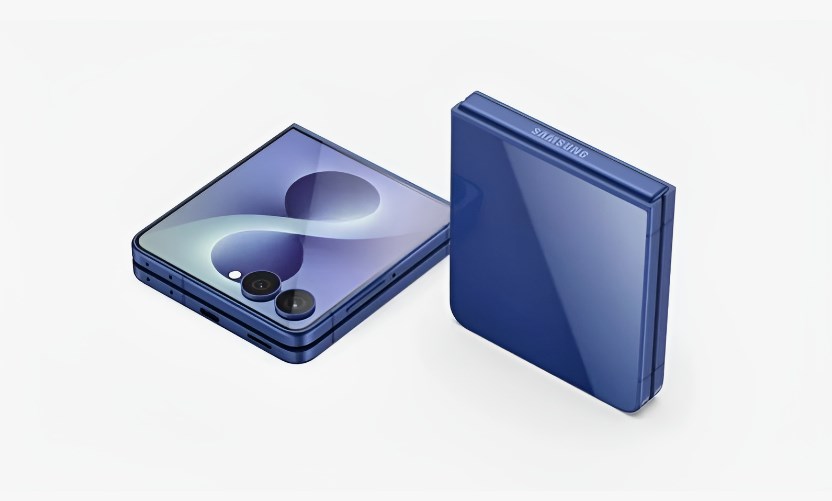
Even something as simple as software optimization can behave differently depending on network stability. A foldable phone constantly switching between weak and strong signals in remote desert regions may drain battery faster than the same device in a dense urban 5G zone. Samsung’s upcoming Galaxy Z Flip 8 might avoid the chip curse
This is where the Flip 8’s rumored improvements become interesting. If Samsung is indeed focusing on efficiency gains—through better chip architecture, smarter power management, and refined thermal design—it could help smooth out some of these disparities. But it will not erase them entirely.
The role of next-generation chip design
Much of the speculation around the Galaxy Z Flip 8 centers on whether it will rely more heavily on next-generation Snapdragon platforms, potentially built on more advanced fabrication processes. Chipmakers like Qualcomm have been steadily improving performance-per-watt efficiency, which is especially important for foldables. Less power wasted means less heat generated inside tight chassis designs.
If Samsung leans into a more unified chip strategy, the Flip 8 could finally deliver near-identical performance across most regions—something that would effectively neutralize years of “Exynos vs Snapdragon” debates. Still, even the best chip cannot fully compensate for external conditions. It can reduce heat, optimize battery usage, and improve sustained performance, but it cannot change the fact that desert environments are inherently hostile to consumer electronics.
Why “not for all buyers” is the key phrase
The phrase might sound like a warning, but it is more of a reality check. Technology does not land in a vacuum. It lands in climates, economies, and infrastructures that shape how it behaves. For a user in a temperate city, the Galaxy Z Flip 8 might feel like a refined, polished evolution of foldable design. Smooth performance, improved battery life, and consistent responsiveness could make it the best Flip yet.
For a user in Sahara-adjacent regions, the experience could still be excellent—but with more caveats. Heat management might become a daily consideration. Charging habits might need adjustment. Long camera sessions under direct sun might require breaks to prevent thermal throttling. Not because the device is flawed, but because the environment is uncompromising. Samsung’s upcoming Galaxy Z Flip 8 might avoid the chip curse
A more honest way to think about “flagship consistency”
If there is a broader lesson hidden in the Flip 8 story, it is that smartphone equality is still a moving target. Companies like Samsung are getting better at standardizing hardware, but the real world remains uneven. The “chip curse” might be fading, but it is being replaced by something more subtle: environmental divergence. The same phone behaves differently depending on where it lives. And that might be the most realistic outcome of all.
The road ahead for Samsung foldables
As Samsung continues refining its foldable strategy, the Galaxy Z Flip 8 represents a small but meaningful step toward maturity. It is not just about new features or design tweaks—it is about consistency, predictability, and reducing the gaps between markets.
If the company succeeds, users may stop talking about chip differences altogether. But they will still talk about heat, durability, and real-world performance—especially in extreme climates like the Sahara. Because in the end, the future of smartphones is not just about escaping one curse. It is about learning how many different realities a single device must survive in. Samsung’s upcoming Galaxy Z Flip 8 might avoid the chip curse
About the Author