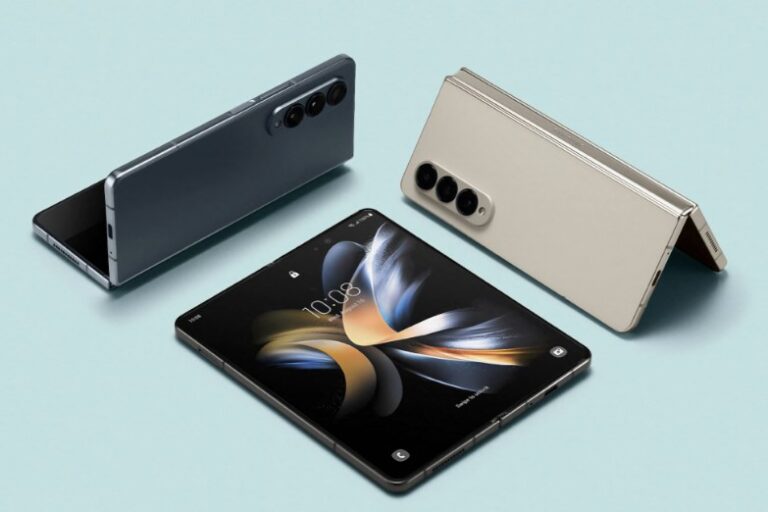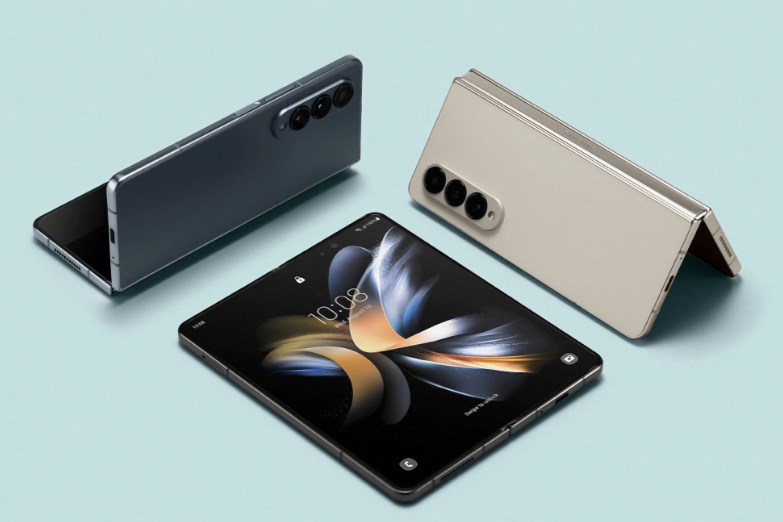
Samsung foldables, DRAM and UFS 5.0 storage nab CES 2027 honors – Samsung is heading into 2027 with another major achievement in the technology industry after several of its latest innovations received recognition at the CES 2027 Innovation Awards. The company’s foldable smartphone technology, advanced DRAM solutions and next-generation UFS 5.0 storage are among the developments attracting attention. These achievements highlight Samsung’s continued efforts to improve mobile devices through better hardware, faster performance and more flexible designs.
The recognition is particularly important as the smartphone industry enters a new stage of competition. Manufacturers are no longer focusing exclusively on camera quality, battery capacity or processor speed. Memory performance, storage technology and innovative screen designs are becoming equally important as consumers demand devices capable of handling artificial intelligence, multitasking and increasingly demanding applications.
Samsung’s latest innovations demonstrate how the company is approaching these challenges from different directions. Its foldable devices aim to change how people interact with smartphones, while its DRAM and UFS 5.0 technologies focus on improving the performance of future electronic products. Together, these developments show why Samsung remains an influential player in the global technology market.
Samsung’s Foldable Technology Continues to Attract Attention
Foldable smartphones have become one of Samsung’s most recognizable technology categories. Since introducing its first commercial Galaxy Fold device, the company has continued improving its flexible display technology, hinge mechanisms and overall durability. What initially appeared to be an experimental smartphone concept has gradually developed into a more established premium device category.
The latest recognition at CES 2027 highlights Samsung’s continued commitment to this segment. Foldable smartphones offer a different experience from traditional handsets by allowing users to enjoy larger displays without carrying a conventional tablet. Depending on the design, users can open a device to access a wider screen for reading, watching videos, working with documents or running multiple applications.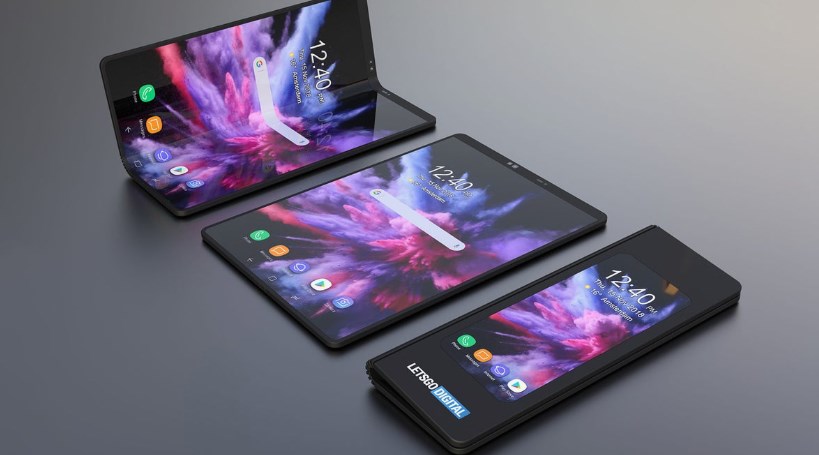
Samsung has also continued refining the practical details that influence everyday usability. Improvements in display construction, folding mechanisms and device thickness are important because consumers want foldables that feel comfortable and reliable rather than simply looking different.
Another important area is multitasking. Larger internal displays provide additional space for running applications side by side, making foldable smartphones useful for productivity as well as entertainment. For people who regularly switch between messaging, browsing and document editing, this flexibility can offer a meaningful advantage.
The latest CES recognition reinforces the importance of foldable technology in Samsung’s broader mobile strategy. Rather than treating flexible displays as a temporary trend, the company appears committed to making them an increasingly important part of its future product lineup.
Advanced Samsung DRAM Technology Earns Recognition
Memory technology is another important part of Samsung’s CES 2027 achievements. DRAM, or Dynamic Random Access Memory, plays a central role in modern electronic devices by temporarily storing information that processors need to access quickly.
In smartphones, DRAM helps applications run smoothly, supports multitasking and allows devices to handle demanding workloads. It is also essential in computers, servers and artificial intelligence systems, where large amounts of information must be processed efficiently.
As software becomes more advanced, the demand for faster and more efficient memory continues to increase. Artificial intelligence is particularly important because modern AI applications can require substantial memory capacity and bandwidth. Devices must move information quickly between processors and memory components to avoid performance bottlenecks.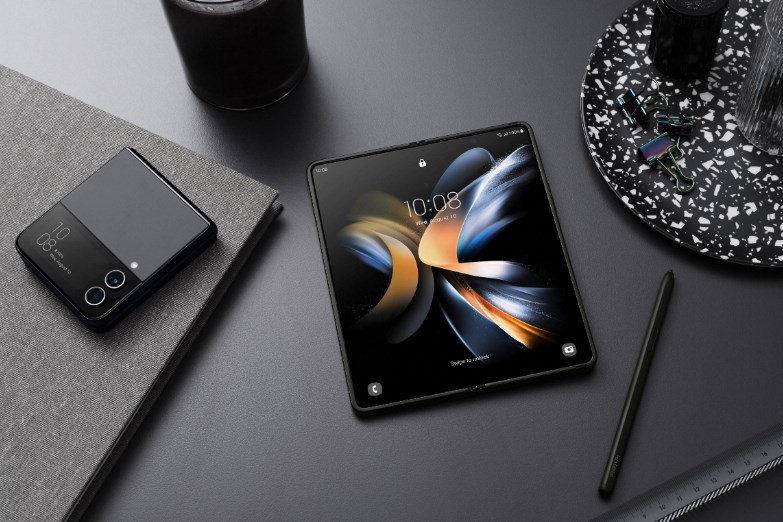
Samsung has invested heavily in developing advanced memory technologies designed to improve speed, efficiency and capacity. These developments are relevant not only to smartphones but also to data centers, high-performance computing and next-generation AI infrastructure.
Recognition at CES 2027 highlights the importance of memory innovation beyond the specifications consumers typically see on smartphone packaging. Although buyers often focus on how many gigabytes of RAM a device offers, the underlying memory technology also influences responsiveness, power consumption and overall system performance.
For Samsung, advancing DRAM technology is an opportunity to strengthen its position in a market where memory performance is becoming increasingly important.
UFS 5.0 Storage Could Transform Future Devices
Samsung’s UFS 5.0 storage technology is another significant development attracting attention at CES 2027. Universal Flash Storage, commonly known as UFS, is widely used in modern smartphones and other compact electronic devices because it offers fast data access with relatively efficient power consumption.
Storage technology has a direct influence on everyday smartphone performance. It affects how quickly applications launch, how fast large files transfer and how efficiently devices handle demanding tasks. Faster storage can also help improve the experience of recording high-resolution video, processing images and working with large application files.
UFS 5.0 represents the next step in the development of mobile storage technology. As applications become larger and AI features require more frequent access to data, smartphones need storage solutions capable of keeping up with increasingly demanding workloads.
The benefits could extend beyond premium smartphones. Faster storage technologies may eventually support improvements across tablets, laptops, automotive systems and other connected devices.
Another important consideration is power efficiency. Mobile devices operate with limited battery capacity, so manufacturers must balance performance improvements with energy consumption. Storage technology that provides faster data access without placing excessive pressure on battery life could offer meaningful benefits.
Samsung’s work in this area demonstrates how improvements that are not immediately visible to consumers can still have a major influence on the overall device experience.
Why These Innovations Matter for Artificial Intelligence
Artificial intelligence is becoming one of the biggest forces shaping the technology industry. Smartphone manufacturers are introducing more AI-powered features, while data centers and computing companies are investing heavily in hardware capable of processing increasingly complex workloads.
Samsung’s recognition across foldables, DRAM and UFS 5.0 storage reflects several important parts of this changing environment. Powerful processors are essential, but they cannot operate at their full potential without fast memory and storage technologies.
DRAM helps processors access frequently needed information, while UFS storage provides a place for applications, files and other data. Improvements in both technologies can help reduce bottlenecks and support more demanding software experiences.
Foldable displays add another dimension by providing larger and more flexible spaces for interacting with AI applications. A wider screen could make it easier to work with documents, compare information, manage multiple applications or use productivity assistants.
As AI becomes more deeply integrated into everyday devices, manufacturers will need to improve the entire hardware ecosystem rather than concentrating on a single component. Samsung’s latest innovations show how different technologies can work together to support that direction.
CES 2027 Highlights Samsung’s Broader Technology Strategy
The Consumer Electronics Show is one of the industry’s major events for showcasing emerging technologies and recognizing developments that could influence future products. The CES Innovation Awards highlight products and technologies considered notable for their design, engineering and innovation.
For Samsung, receiving recognition across several technology categories strengthens its position as a company operating far beyond traditional smartphone manufacturing. Its business includes displays, semiconductors, memory products, storage solutions and consumer electronics. Samsung foldables
This broad portfolio gives Samsung an advantage because the company can develop technologies that support multiple product categories. Advances in memory and storage can benefit smartphones, computers and servers, while improvements in flexible displays can influence future mobile devices and other electronics.
The awards also arrive at a time when competition across the semiconductor and smartphone industries is becoming increasingly intense. Companies are racing to develop hardware that can support AI, faster connectivity and more demanding applications without dramatically increasing costs or power consumption.
Samsung’s challenge will be turning these innovations into commercially successful products that deliver noticeable improvements for consumers. Recognition at CES is an important achievement, but long-term success will depend on real-world performance, reliability and availability.
What Consumers Can Expect From Samsung’s Future Products
The recognition of Samsung’s foldable technology, DRAM and UFS 5.0 storage could offer an indication of where the company’s future products are heading. Consumers may see more capable foldable smartphones, improved multitasking experiences and faster storage solutions as these technologies move into commercial devices.
Future Galaxy smartphones could benefit from improvements in memory performance and data transfer speeds, particularly as manufacturers introduce more advanced AI capabilities. Faster storage could make everyday operations feel more responsive, while improved DRAM technology could support demanding applications and multitasking.
Foldable devices may also become more practical as manufacturers continue working on thinner designs, stronger hinges and improved displays. These improvements could help make flexible smartphones more appealing to people who have previously preferred traditional handsets. Samsung foldables
However, the timing and specifications of individual products will depend on Samsung’s official product announcements. Winning an innovation award does not automatically mean every recognized technology will immediately appear in a commercial smartphone.
What is clear is that Samsung is continuing to invest in several areas that will influence the next generation of electronics. The company is looking beyond traditional hardware upgrades and focusing on the technologies needed to support more advanced digital experiences.
Samsung Strengthens Its Position Ahead of 2027
Samsung’s CES 2027 Innovation Awards recognition highlights the company’s commitment to developing technologies that could shape the future of smartphones and other electronic devices. Its foldable innovations demonstrate the potential of flexible displays, while advanced DRAM and UFS 5.0 storage address the growing need for faster and more efficient hardware.
These developments are particularly relevant as artificial intelligence, multitasking and data-intensive applications become increasingly common. Modern devices need more than powerful processors to deliver excellent performance. They also require capable memory, fast storage and displays that make new experiences possible.
For consumers, the biggest benefit could be a new generation of smartphones and electronics that are faster, more flexible and better equipped for demanding everyday tasks. Although the CES recognition does not guarantee immediate product launches, it provides an encouraging look at Samsung’s technology priorities.
As competition intensifies throughout 2027, Samsung will need to turn these innovations into practical improvements that people can experience in their daily lives. If the company succeeds, its latest developments could play an important role in defining the next chapter of mobile technology. Samsung foldables
About the Author