Air traffic control strike: Flights to and from Belgium suspended
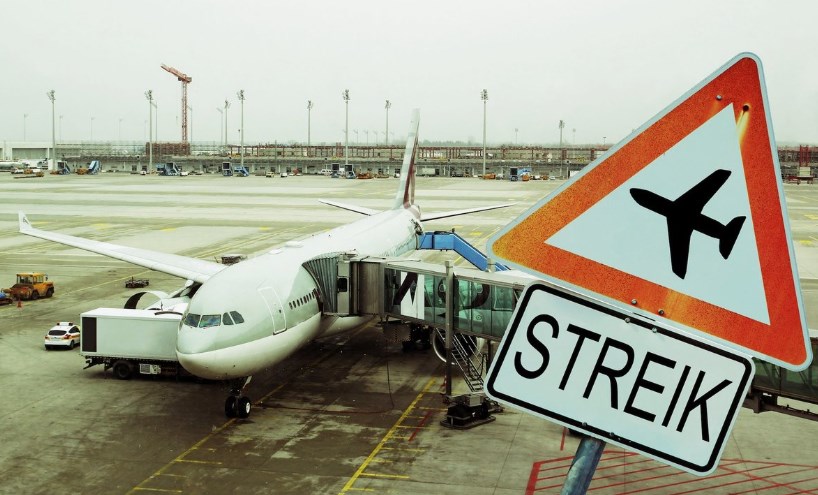
Air traffic control strike: Flights to and from Belgium suspended – Travelers planning to fly to or from Belgium faced major disruptions as an air traffic control strike forced the suspension of flights across large parts of the country’s airspace. The industrial action, which affected air traffic management services, created chaos for airlines, passengers, and airport operators, highlighting once again how critical air traffic controllers are to the smooth functioning of Europe’s busy aviation network.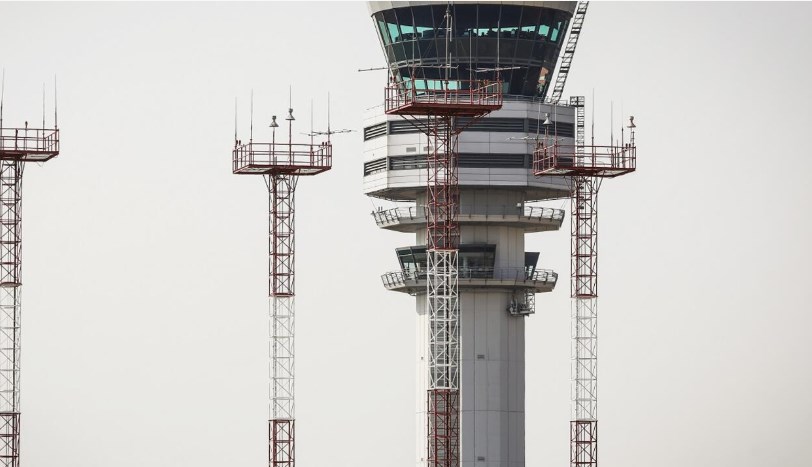
The strike led authorities to halt numerous flights arriving in and departing from Belgium, leaving thousands of passengers scrambling to rearrange travel plans. Airports, airlines, and government officials worked throughout the day to minimize the impact, but the disruption quickly rippled beyond Belgium’s borders, affecting connections throughout Europe and beyond.
Why the Strike Happened
The strike was organized by air traffic control personnel who have raised concerns about working conditions, staffing shortages, and employment policies. While labor disputes involving aviation workers are not uncommon across Europe, strikes involving air traffic controllers tend to have particularly severe consequences because they directly affect the safety and management of aircraft movements.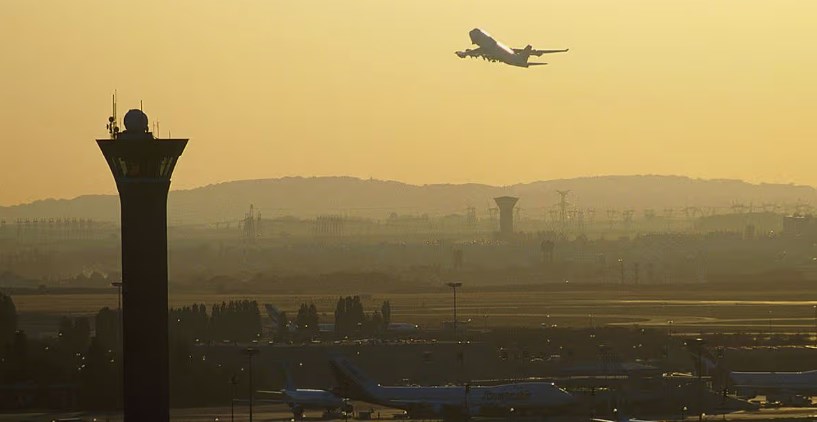
Air traffic controllers play a vital role in guiding planes during takeoff, flight, and landing. Without sufficient staffing levels, aviation authorities cannot safely manage air traffic volumes. As a result, regulators often have no choice but to restrict or suspend flights when controllers stop working. Union representatives have argued that their concerns have not been adequately addressed, prompting the industrial action. Workers are reportedly seeking improvements related to workload management, staffing levels, and long-term employment stability.
Government officials, meanwhile, have emphasized the importance of maintaining aviation services while also respecting workers’ rights to collective action. Negotiations between labor representatives and authorities are expected to continue as both sides seek a resolution.
Airports Feel the Immediate Impact
Belgium’s major airports quickly felt the effects of the strike. Flight information boards displayed long lists of cancellations and delays as airlines adjusted schedules to comply with airspace restrictions. Passengers arriving at airports early in the morning were met with uncertainty. Many travelers discovered their flights had been canceled only hours before departure. Others faced lengthy delays as airlines attempted to reroute aircraft and passengers through neighboring countries.
Airport terminals became crowded with travelers seeking assistance from airline representatives. Customer service desks experienced long queues as passengers tried to rebook flights, secure refunds, or arrange alternative transportation. For some travelers, the disruption meant missing important events, business meetings, family gatherings, or connecting international flights. Others faced additional expenses for accommodation, meals, and transportation while waiting for new travel arrangements.
Airlines Scramble to Adapt
Airlines operating in Belgium were forced to make rapid adjustments. Carriers canceled numerous flights in advance to avoid last-minute disruptions and to provide passengers with as much notice as possible. However, even with careful planning, the scale of the strike created significant logistical challenges. Aircraft scheduled to arrive in Belgium had to be rerouted, delayed, or canceled altogether. Flight crews also faced scheduling complications, as aviation regulations limit the number of hours pilots and cabin crew can work. Air traffic control strike
Major European airlines worked to accommodate affected passengers on alternative flights where seats were available. Yet with thousands of travelers impacted simultaneously, finding replacement options proved difficult. Some airlines encouraged passengers to consider rail travel for shorter European routes. Belgium’s central location and extensive rail connections offered an alternative for travelers heading to neighboring countries such as France, Germany, and the Netherlands.
Ripple Effects Across Europe
The impact of the strike extended far beyond Belgium itself. The country’s airspace serves as an important transit corridor for flights traveling across Europe. When disruptions occur, airlines often need to alter flight paths, creating additional congestion in surrounding airspace. Flights that would normally pass through Belgian-controlled airspace were forced to take alternative routes. These diversions increased travel times for some passengers and added operational costs for airlines due to higher fuel consumption.
Airports in neighboring countries also experienced secondary effects. Delays accumulated throughout the day as aircraft and crews found themselves out of position due to earlier cancellations and rerouting decisions. Aviation experts note that modern air travel operates as a highly interconnected system. Even localized disruptions can quickly spread across multiple countries, affecting passengers who may never set foot in the country where the strike originated. Air traffic control strike
Frustration Among Travelers
For many passengers, the strike was an unexpected obstacle in carefully planned journeys. Business travelers worried about missed meetings and professional commitments. Families heading on vacation faced uncertainty and disappointment, particularly those traveling with young children. International visitors attempting to connect through Belgium found themselves navigating unfamiliar airports and changing itineraries.
Social media quickly filled with reports from stranded passengers sharing stories of canceled flights, long waits, and last-minute travel changes. While many travelers expressed understanding of workers’ rights to strike, others voiced frustration over the disruption and the financial costs they incurred. Consumer rights organizations reminded passengers that European regulations often provide protections in cases of flight cancellations. Depending on the circumstances, travelers may be entitled to rebooking assistance, refunds, meals, accommodations, or other forms of support from airlines.
Economic Consequences
Beyond passenger inconvenience, aviation disruptions can carry significant economic consequences. Airports lose revenue when flights are canceled. Airlines face additional costs associated with passenger compensation, rerouting, fuel adjustments, and operational changes. Businesses that depend on tourism and international travel can also feel the impact.
Hotels, restaurants, and transportation providers sometimes benefit temporarily from stranded travelers needing accommodation and services. However, broader economic disruptions often outweigh these short-term gains.Industry analysts estimate that major aviation strikes can cost millions of euros in direct and indirect losses, particularly when disruptions affect large numbers of flights over extended periods.
Efforts Toward Resolution
As the strike continued, attention turned toward negotiations between labor representatives and government authorities. Both sides face pressure to find common ground quickly. Aviation industry groups have stressed the need for long-term solutions that address staffing concerns while ensuring the reliability of essential transportation infrastructure. Labor unions, meanwhile, argue that sustainable aviation operations require adequate investment in personnel and working conditions. The outcome of the discussions could have implications beyond Belgium, as air traffic control staffing challenges have become a growing concern in several European countries. Air traffic control strike
Looking Ahead
The disruption serves as a reminder of how dependent modern travel is on the professionals who manage the skies. Air traffic controllers often work behind the scenes, but their role is fundamental to aviation safety and efficiency. For travelers, the strike underscores the importance of staying informed about flight status updates and maintaining flexibility when possible. Airlines continue to advise passengers to monitor communications closely and check flight information before heading to the airport.
While authorities hope to restore normal operations quickly, the situation highlights ongoing tensions within the aviation sector as it works to balance growing travel demand with workforce challenges. As negotiations continue, thousands of affected passengers are hoping for a swift resolution that will allow flights to resume and bring Belgium’s air travel network back to normal. Until then, airports, airlines, and travelers alike remain focused on navigating one of the latest disruptions to Europe’s increasingly busy skies. Air traffic control strike
About the Author