After swapping strikes, Israel and Iran cease hostilities– In a dramatic and fast-moving turn of events that briefly pushed the Middle East to the edge of a wider war, Israel and Iran have halted direct military attacks after a sharp exchange of strikes, according to multiple reports and official statements. The pause comes after a tense 24-hour period marked by missile fire, airstrikes, retaliatory bombardments, and urgent international diplomatic intervention led by the United States. While both sides have stepped back—for now—the situation remains fragile, conditional, and deeply uncertain.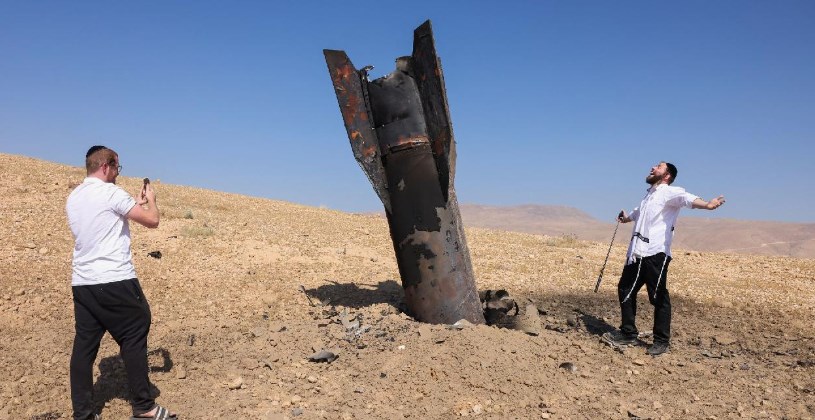
A Rapid Escalation That Shocked the Region
The latest confrontation began when Iran launched missile attacks toward Israel in response to earlier Israeli strikes on Iranian-linked military sites. Those Israeli operations reportedly targeted missile infrastructure and facilities tied to Iran’s broader regional military network.
In retaliation, Israel carried out airstrikes against targets inside Iran, including military installations and industrial facilities believed to be connected to missile production. Explosions were reported in multiple Iranian cities, including Tehran, Isfahan, and other strategic regions, signaling one of the most direct exchanges between the two nations in recent months. For many observers, the intensity of the strikes marked a dangerous escalation—one that risked pulling the region into a broader conflict involving allied forces and proxy groups across Lebanon, Syria, and Iraq.
Diplomatic Pressure From Washington
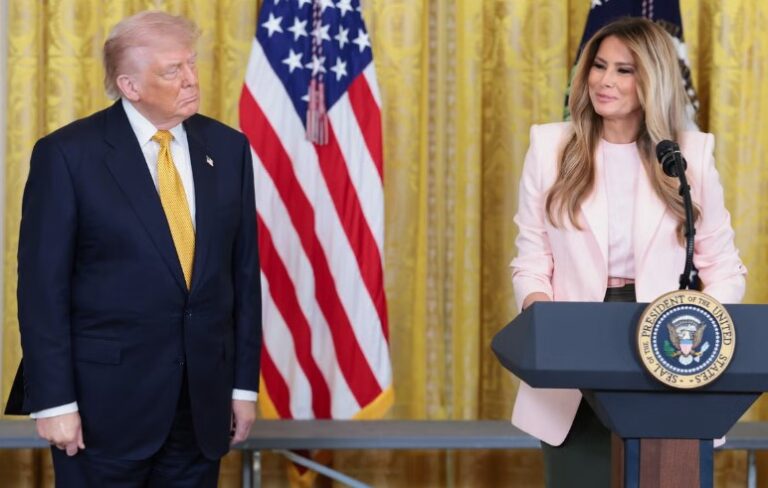
Amid the rising violence, the United States stepped in with urgent diplomatic pressure. President Donald Trump publicly called on both Israel and Iran to “immediately stop shooting,” warning that continued escalation could derail ongoing peace negotiations and destabilize the wider Middle East.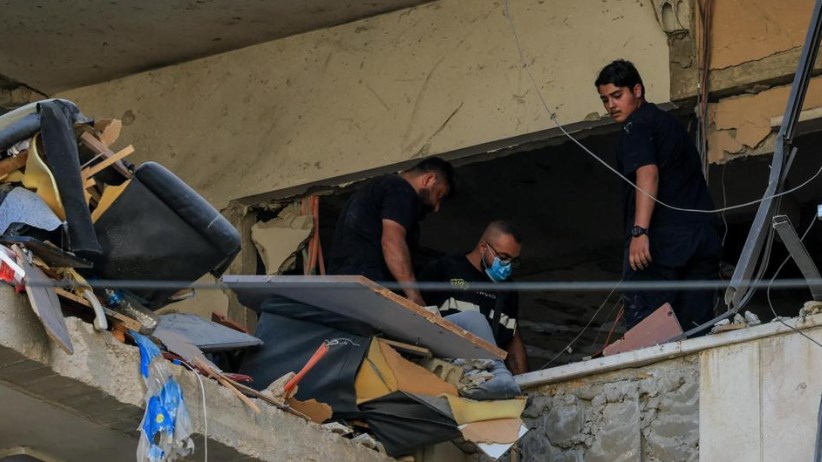
According to reports, behind-the-scenes communication between Washington, Tel Aviv, and Tehran intensified as the crisis unfolded. Within hours of the most intense exchanges, both sides began signaling a willingness to pause direct attacks.
Iran’s military leadership announced that its “wave of operations” against Israel had concluded, while Israel indicated it had achieved its immediate military objectives and would reassess further action. This coordinated pause, however, does not appear to be a formal peace agreement—rather, a temporary halt in active hostilities.
Conditional Ceasefire: A Pause, Not Peace
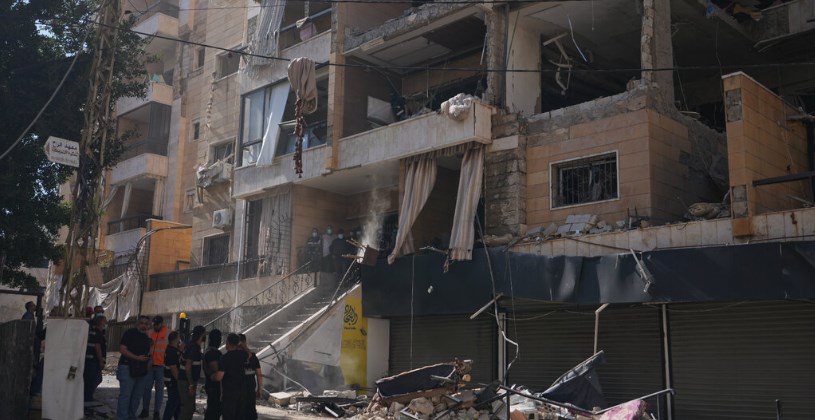
Despite the announcement of halted strikes, neither Israel nor Iran has declared a permanent ceasefire. Instead, both sides have issued warnings that they could resume attacks if conditions change. Iran, in particular, emphasized that it would respond again if Israel continues operations targeting Iranian interests or allied groups in Lebanon. Israel, meanwhile, has maintained that it reserves the right to respond to any further aggression or threats.
This conditional language highlights a key reality: the current pause is fragile and reversible. Analysts describe the situation as a “controlled de-escalation” rather than a true resolution. In other words, both nations have stepped back from immediate confrontation, but the underlying conflict remains unresolved.
Markets React to Rising and Falling Tensions
The geopolitical shockwaves were not limited to the battlefield. Global financial markets reacted quickly to the escalation. Oil prices surged during the height of the conflict, briefly climbing as traders feared that prolonged fighting could disrupt energy supplies from the region. The Strait of Hormuz—one of the world’s most critical oil shipping routes—was once again a focal point of concern. After swapping strikes
However, once Iran announced the end of its latest operations, prices eased and some of the earlier gains were erased. Investors interpreted the pause as a sign that immediate supply disruptions were less likely, at least for now. This volatility reflects how closely global markets are tied to stability—or instability—in the Middle East. Even short bursts of conflict between Israel and Iran can trigger significant swings in energy and stock markets worldwide.
A Conflict Rooted in Years of Tension
To understand the latest flare-up, it is important to see it within the broader context of long-standing hostility between Israel and Iran. The two countries have no formal diplomatic relations and have spent decades in a shadow conflict involving cyberattacks, intelligence operations, proxy warfare, and occasional direct strikes.
Recent years have seen an increase in direct exchanges, especially as tensions over Iran’s regional influence and military capabilities have grown. Israel has repeatedly targeted Iranian-linked assets in Syria and other neighboring regions, while Iran has supported allied groups such as Hezbollah in Lebanon. This cycle of action and retaliation has created a dangerous pattern where each side responds to the other’s moves, often escalating faster than diplomacy can keep up.
Regional Stakes Remain Extremely High
Even with the current pause in direct strikes, the broader regional situation remains unstable. Fighting involving Iranian-backed groups in Lebanon continues to simmer, and Israel has maintained military pressure on multiple fronts. Lebanon, Gaza, and Syria remain potential flashpoints that could reignite direct confrontation. Any major incident involving Hezbollah or other allied groups could quickly pull Israel and Iran back into escalation.
Meanwhile, neighboring countries have expressed concern about spillover effects, including disruptions to airspace, trade routes, and energy infrastructure. Several regional airports and shipping lanes experienced temporary disruptions during the peak of the fighting.
A Fragile Calm with No Clear Endgame
At the moment, both Israel and Iran appear to be stepping back from immediate escalation—but not from the conflict itself. Each side continues to frame its actions as defensive and justified, leaving little room for compromise in the short term. After swapping strikes
International mediators are now working to extend the pause into something more durable, but significant obstacles remain. Key issues include Iran’s regional influence, sanctions, nuclear concerns, and Israel’s security demands. Without progress on these deeper disputes, analysts warn that another round of fighting could erupt with little warning.
The Human and Political Reality Behind the Headlines
Beyond the military and political calculations, the human cost of the latest escalation is a reminder of how quickly regional tensions can translate into fear on the ground. Air raid sirens, emergency shelters, and disrupted daily life became reality for civilians in both countries during the brief but intense exchange.
For many people in the region, the announcement of a halt brings relief—but not certainty. There is hope that diplomacy might hold, but also an awareness that previous ceasefires and pauses have broken down under renewed pressure.
Conclusion: A Pause, Not a Resolution
The halt in fighting between Israel and Iran marks a temporary easing of one of the world’s most dangerous flashpoints. But it is not peace, and it is not final. Instead, it is a pause shaped by exhaustion, pressure from global powers, and the looming risk of wider escalation. Whether it becomes the foundation for diplomacy—or simply a break before the next round of conflict—will depend on what happens in the coming days. For now, the guns are quiet. But the tension has not disappeared. After swapping strikes
About the Author