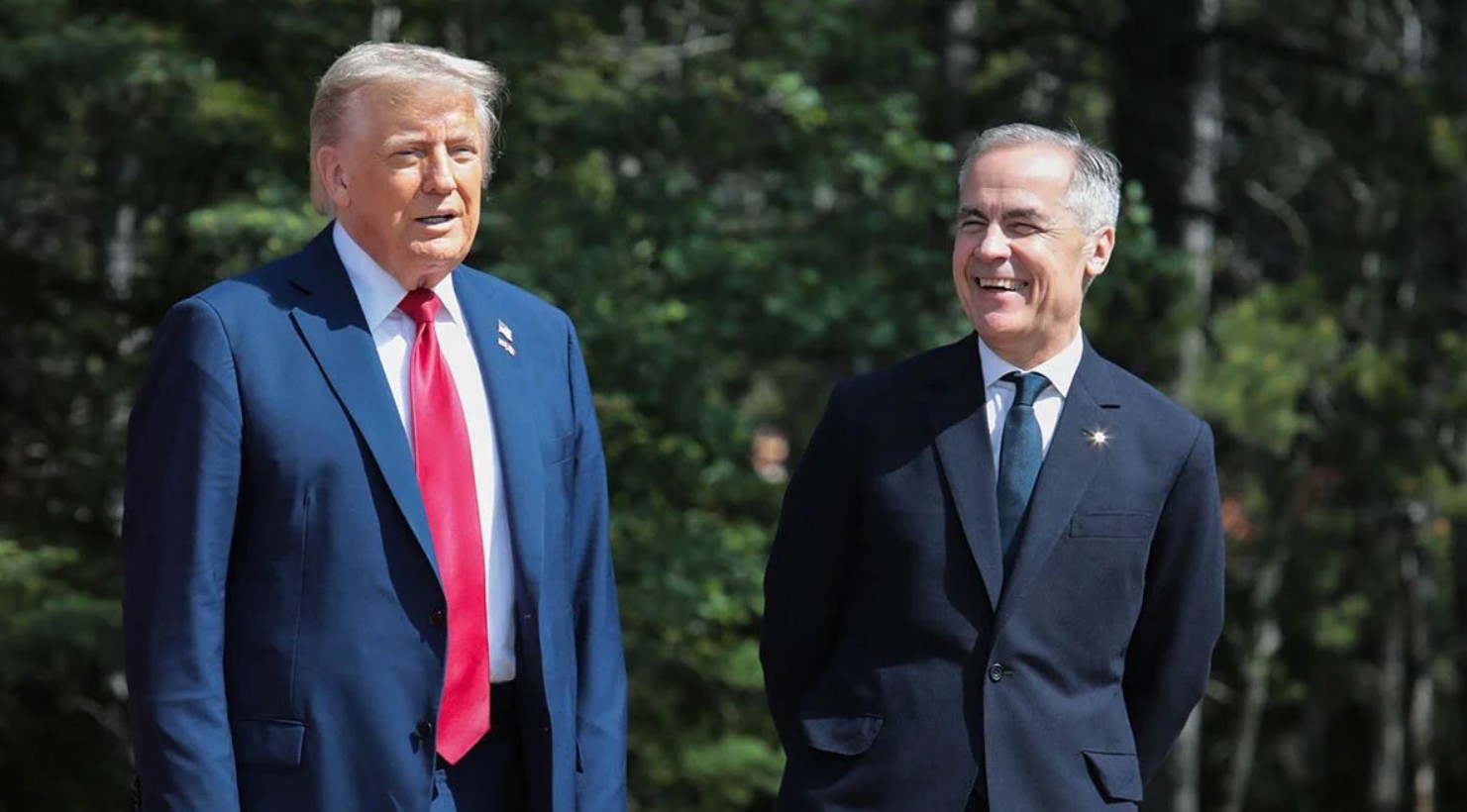
A bad trade: Following US tariffs, Canada’s Carney declares reprisal – Following the failure to achieve a trade agreement between the United States and its northern neighbor, President Donald Trump’s promised 50% tariffs on certain Canadian imports went into effect immediately after midnight on Saturday, August 22.
The duties were first set to take effect on August 19 after being issued in an executive order dated July 20. However, Trump suspended the levies for three days, citing negotiations between the two nations.
Late on August 21, both sides of the bargaining table blamed one another for the breakdown of trade talks.
Late on August 21, Canadian Prime Minister Mark Carney announced on social media that he was calling off trade talks with the United States and directing Canadian negotiators to return to Ottawa.Up until the very end of these negotiations, they have diligently and sincerely worked to protect Canadians’ interests,” Carney stated. “However, last-minute changes in the U.S. proposed terms were unfair, uneconomic, and called into question the reliability of any deal.”
Canada would match the penalties “dollar for dollar,” according to Carney, and retaliatory tariffs would follow next month. In a speech on August 22, Carney stated that specifics of such steps would be made public in the next few days.
In the meanwhile, Canada declined to complete the agreement, according to a statement from U.S. Trade Representative Jamieson Greer’s office.The careful balance struck in recent days has been upset by Canada’s new demands and withdrawal of prior obligations, even though the United States offered Canada the best treatment of any major exporter to our market, according to Greer’s office. “In addition, Canada is continuing to maintain its prolonged retaliation against the United States, including, among other things, flat-out prohibitions on certain American goods and services.”
Just over 5% of Canadian exports to the US are subject to the duties, which cover a variety of products like wine, dairy, hockey sticks, and cement. Carney stated that goods valued at roughly $28 billion would be subject to tariffs. Energy, potash, fish, and essential minerals are among the exempted items that are not subject to them. The U.S.-Mexico-Canada free-trade agreement, which protected a large portion of Canadian exports from previous U.S. tariffs, does not grant the tariffs preferred status.
Trump stated that his goal in imposing the tariffs last month was to offset the “burden and disadvantage on U.S. commerce from Canada’s discriminatory treatment of U.S. commerce.” In the past, he had also threatened to impose taxes on Canada due to smoke from wildfires entering the United States from the south.
On the condition of anonymity, Trump administration officials earlier told reporters that the measure was spurred by Canadian trade practices on alcohol, cars, and dairy products exported from the United States.
In the last year, the majority of Canadian provinces have stopped buying alcohol from the United States. According to the officials, Canada has also implemented more stringent tariff-rate limitations on American cheese and duties on cars from the United States, but not on goods from other nations.
Trade representatives from the United States and Canada were negotiating a deal that would include “comprehensive market access for all American goods, economic security commitments, digital trade alignment,” according to a prior statement from Greer’s office.
Greer stated that further negotiations between the United States and Canada are not anticipated in an interview with Fox News.
Carney says retaliatory tariffs will be implemented on September 8.
Carney stated that Canada’s retaliatory tariffs would take effect on September 8 during a speech on August 22 from the Parliament building in Ottawa. According to Carney, they will have an impact on imports from the US in a number of industries, including electronics, steel, dairy, appliances, agricultural equipment, and pulp and paper.
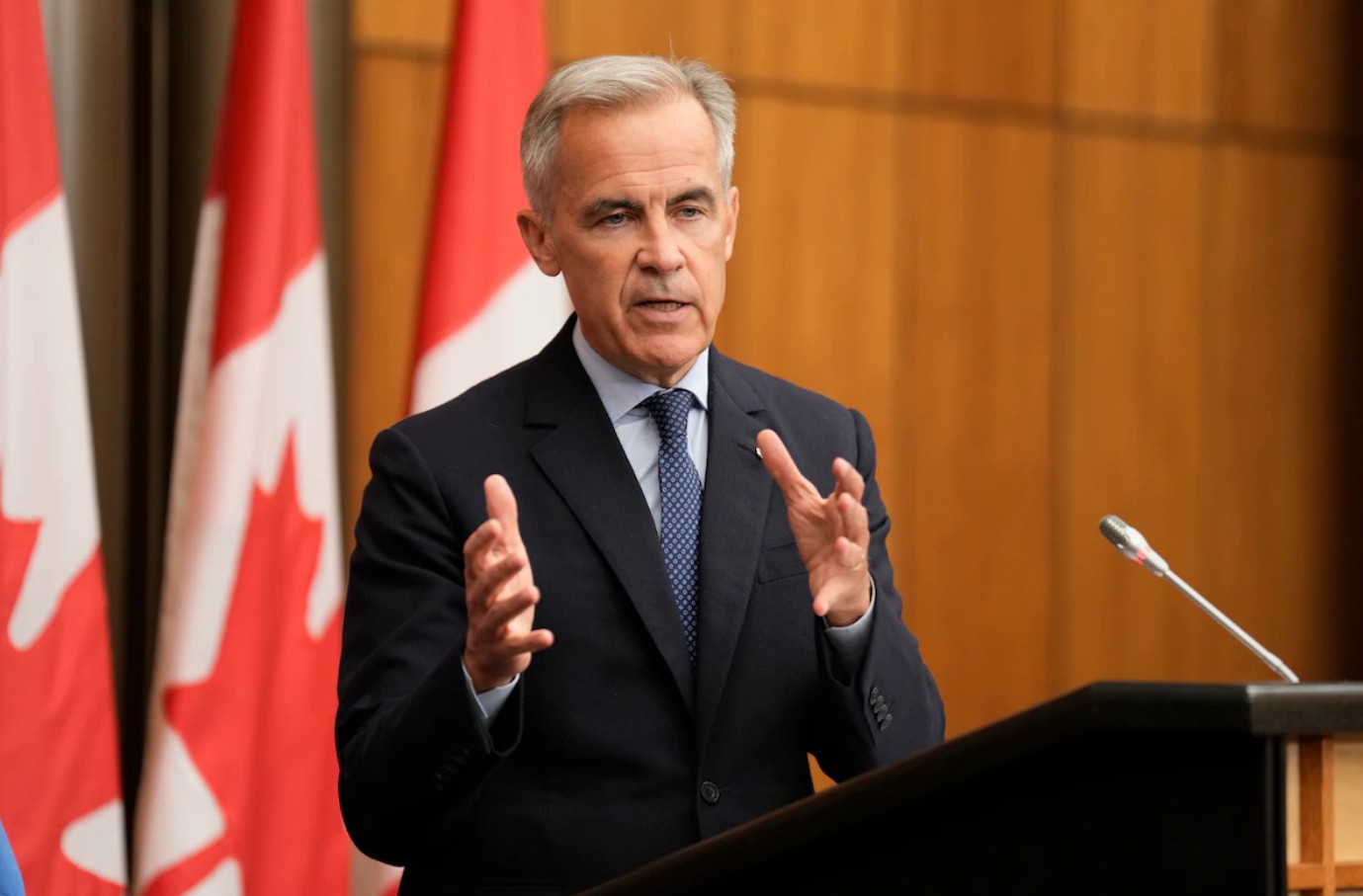
The prime minister stated that Canada was prepared to remove some tariffs on steel, aluminum, and cars during talks. Additionally, he stated that he would have urged regions to put American alcohol back on store shelves. However, he stated that Canada would not accept the United States’ last-minute amendments to the agreement, including clauses that would have restricted Canada’s capacity to engage in international trade. He referred to it as a “bad deal.”Carney stated, “We will not give what they have requested, and we cannot accept what they have offered.”
He stated that he was “reluctantly” adopting retaliatory tariffs since they would make things more expensive for Canadians, but he is “confident that it is in the best interest of Canada.”The hurricane that comes in from Washington is beyond our control. But by strengthening Canada domestically and broadening our commercial connections overseas, we can set a new direction,” Carney stated.
About the Author