Samsung may skip Galaxy Watch 2027 launch in major strategy shift – For nearly a decade, tech enthusiasts and Android loyalists could set their calendars by Samsung’s summer hardware schedule. Every single year since the original Galaxy Watch debuted in 2018, the South Korean giant has rolled out a fresh generation of flagship smartwatches alongside its latest foldable phones. However, fresh reports emerging from South Korea suggest that streak is about to end. According to industry publication ETNews, Samsung is preparing to skip a new Galaxy Watch launch in 2027, pivoting instead to a two-year release cycle in a sweeping bid to rein in rising costs and restore profitability to its mobile division. Samsung may skip Galaxy Watch 2027 launch in major strategy shift
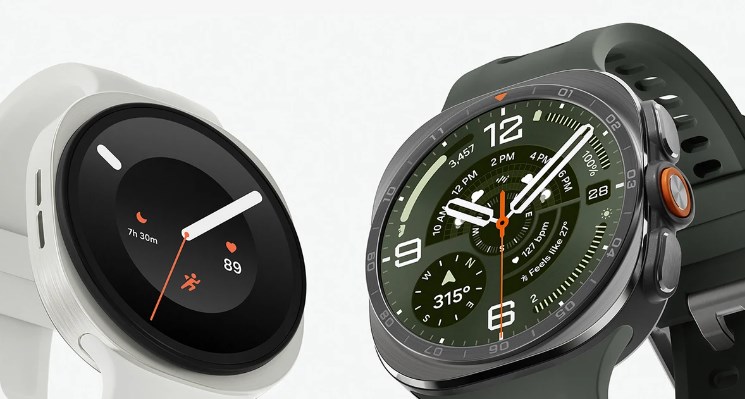
If this reported strategy shift moves forward, the Galaxy Watch 9 and Galaxy Watch Ultra 2—both unveiled in July 2026—will remain Samsung’s premier smartwatch offerings throughout all of 2027. Prospective buyers waiting for a milestone “Galaxy Watch 10” or a third-generation Ultra model will have to hold out until at least 2028. While breaking a nine-year tradition sounds dramatic on the surface, a closer look at Samsung’s balance sheet and the broader wearable market reveals why executives in Suwon are reconsidering the wisdom of annual hardware refreshes.
At the heart of the decision is mounting financial pressure inside Samsung’s Mobile eXperience (MX) division. Industry sources indicate that the division has posted operating losses for two consecutive quarters, squeezed by surging prices for processors, memory, and specialized display components. Those higher manufacturing costs forced Samsung to raise the retail price of the Galaxy Watch 9 earlier this year—a move that reportedly dampened consumer enthusiasm and resulted in sluggish sales. When shoppers are already hesitant to pay more for incremental upgrades, pouring hundreds of millions of dollars into research, development, tooling, and global marketing campaigns for a yearly refresh stops making financial sense. Samsung may skip Galaxy Watch 2027 launch in major strategy shift
Compounding the cost problem is the reality of Samsung’s standing in the global wearable market. According to figures from Counterpoint Research cited in the report, Samsung ranked fourth globally in smartwatch shipments in 2025 with a modest seven percent market share, trailing far behind Apple’s commanding twenty-three percent lead. Despite aggressive bundle promotions and deep integration with Galaxy smartphones, annual hardware launches have failed to meaningfully close the gap with Cupertino. At the same time, everyday consumers are holding onto their smartwatches far longer than they used to, treating them more like traditional timepieces than smartphones that demand replacement every twelve months.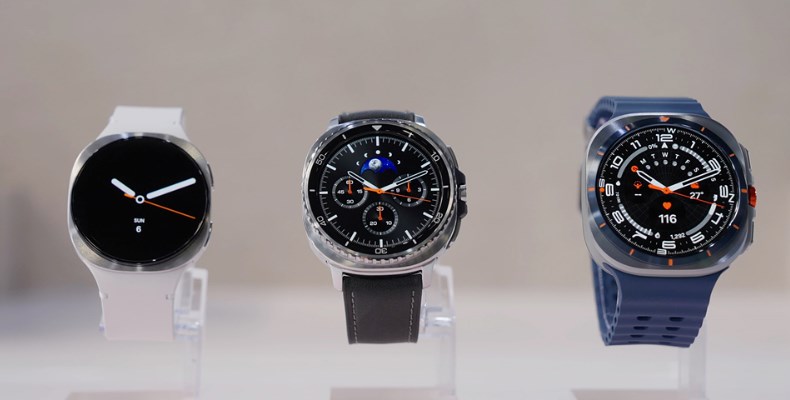
Rather than treating the Galaxy Watch pause as an isolated experiment, Samsung appears to be weaving it into a broader restructuring of its entire mobile portfolio under newly appointed division leadership. Alongside the wearable slowdown, the company is reportedly trimming fourth-quarter production of its budget-friendly Galaxy A smartphones by roughly twenty percent. Conversely, Samsung plans to allocate around seventy percent of its upcoming Galaxy S27 production capacity toward higher-margin Pro and Ultra models. The message from management is unmistakable: Samsung is pivoting away from chasing unit volume at razor-thin margins and focusing squarely on premium profitability.
Crucially, skipping a flagship smartwatch launch in 2027 does not mean Samsung plans to abandon its wearable ecosystem or leave existing owners empty-handed. According to the report, the company intends to spend the off-year concentrating on software refinement, rolling out meaningful Wear OS updates and introducing advanced health-tracking algorithms to existing Galaxy Watch models. Additionally, Samsung is reportedly weighing the launch of a new, lower-cost Galaxy Fit fitness band in 2027. A lightweight, affordable tracker would allow the brand to maintain a visible retail presence and capture entry-level buyers without incurring the steep engineering overhead of a flagship smartwatch.
From a consumer perspective, a two-year release cycle could ultimately prove to be a blessing in disguise. Over the past several generations, annual smartwatch upgrades across the entire tech industry have grown increasingly predictable—often boiling down to slightly brighter screens, minor processor bumps, and fresh watch faces rather than genuine breakthroughs. Giving Samsung’s engineers a full twenty-four months between flagship launches creates breathing room to develop truly transformative hardware, whether that means substantial leaps in multi-day battery life, non-invasive health sensors, or sleeker titanium designs. Samsung may skip Galaxy Watch 2027 launch in major strategy shift 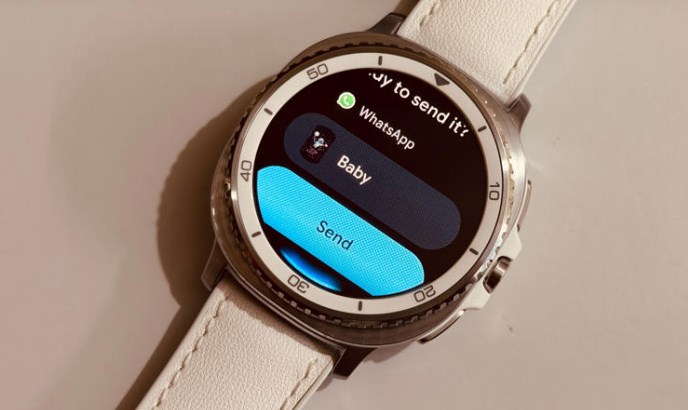
Of course, the success of this gamble hinges entirely on execution. If Samsung uses 2027 to deliver substantial, timely feature drops to the Galaxy Watch 9 and Watch Ultra 2 while returning in 2028 with a genuinely leapfrog Galaxy Watch 10, few customers will mourn the skipped year. On the other hand, if software support stagnates while Apple and rival Android watchmakers continue iterating, Samsung risks ceding even more ground in a category it helped pioneer. For now, Samsung has yet to officially confirm the roadmap change—but if the leaks hold true, 2027 will mark the year the Galaxy Watch finally slowed down to catch its breath.
About the Author