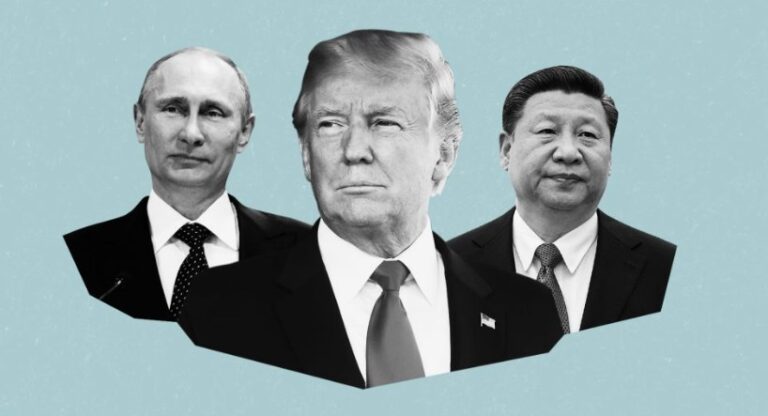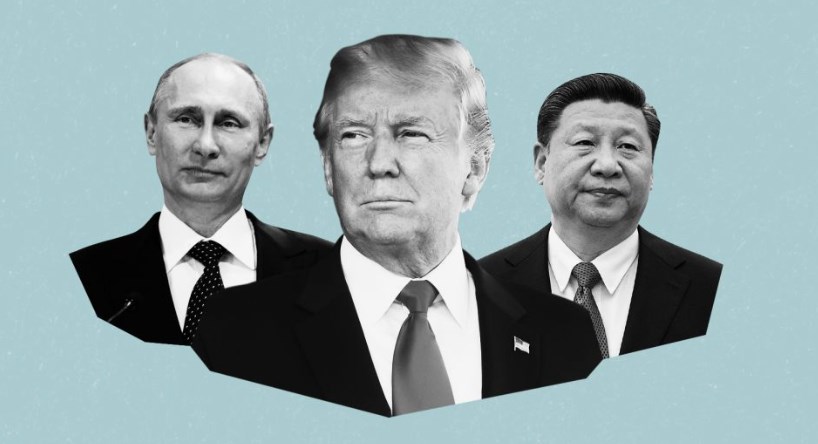
President Trump, Xi Jingping and Vladimir Putin arrive at APEC – In a diplomatic scene few observers would have predicted just a few years ago, the leaders of the world’s three most powerful nations—U.S. President Donald Trump, Chinese President Xi Jinping, and Russian President Vladimir Putin—have arrived in Shenzhen, China, for the 2026 Asia-Pacific Economic Cooperation (APEC) Summit. Hosting the gathering for the first time in twelve years, China transformed its southern technology hub into the center of global statecraft on November 18 and 19, 2026.
While APEC was originally conceived as a consensus-driven forum focused on regional trade and economic integration, the arrival of Trump, Xi, and Putin has turned the sidelines of the summit into the main event. With bilateral talks underway and a landmark three-way meeting scheduled between the three leaders, the world is watching closely to see whether personal diplomacy can ease intensifying global friction.
Breaking Diplomatic Protocol on the Shenzhen Tarmac
The choreography of the leaders’ arrivals immediately signaled that this summit would be anything but routine. When Air Force One touched down at Shenzhen Bao’an International Airport on Wednesday evening, President Xi Jinping broke decades of diplomatic convention by personally greeting Donald Trump on the airport tarmac—complete with a warm embrace and flag-waving performers.
The gesture reciprocated Trump’s own decision to greet Xi on the tarmac during the Chinese leader’s state visit to Washington in September 2026. Speaking to reporters and at summit sessions, Trump repeatedly praised the pomp surrounding his arrival and hailed Xi as an “incredible leader”. For Beijing, the high-profile welcome underscored a deliberate push to project stability in U.S.-China relations after months of friction over tariffs, artificial intelligence chip exports, and regional security. President Trump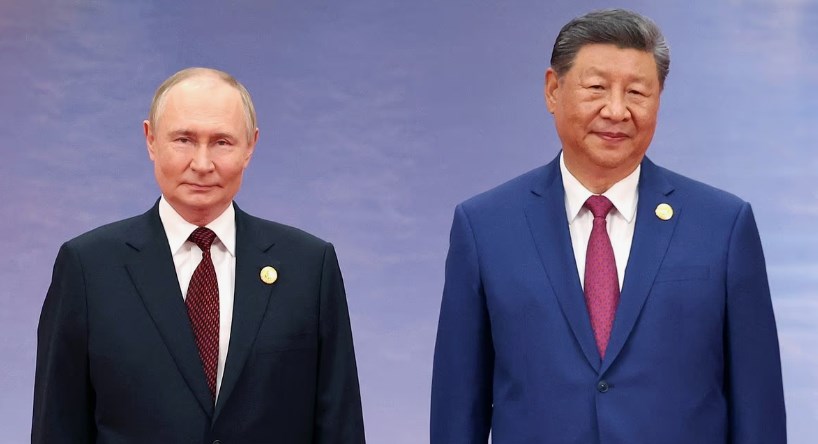
By contrast, Vladimir Putin’s arrival drew a noticeably more understated public reception, though the Russian leader quickly stepped into the diplomatic spotlight once summit proceedings began. Ahead of the welcoming banquet, cameras captured a striking moment as Trump and Putin shook hands while Xi looked on—an image that instantly dominated international headlines.
A Flurry of High-Stakes Bilateral Talks
Before sitting down together as a trio, the leaders plunged into a dense schedule of one-on-one diplomacy on Thursday morning:
-
Trump and Xi: Marking their third face-to-face meeting of 2026—following summits in Beijing in May and Washington in September—Trump and Xi focused heavily on stabilizing trade. Trump noted that the joint Board of Trade established earlier in the year had brought greater balance to bilateral commerce and described their tariff arrangement as increasingly fair. Xi echoed that conciliatory tone, stating that both nations had worked to build a relationship rooted in “respect, fairness and reciprocity”.
-
Trump and Putin: On the margins of the forum, Trump and Putin held a 40-minute bilateral conversation. Ahead of the talk, Trump described Putin as a “friend” and expressed optimism that “a lot of wonderful things” could emerge from their dialogue. According to Kremlin aides, Putin left the session in an “excellent mood” after discussing bilateral ties and potential avenues for resolving the war in Ukraine.
The Historic Trilateral: Symbolism and Substance
The centerpiece of Thursday’s diplomatic calendar is the formal trilateral meeting between Trump, Xi, and Putin—the first joint sit-down of its kind among the three leaders. While official APEC sessions carry the theme “Building an Asia-Pacific Community to Prosper Together,” the trilateral table is dominated by pressing geopolitical crises.
Chief among those topics are the ongoing conflict in Ukraine, escalating tensions involving Iran—where China’s status as a major buyer of Iranian oil intersects with Moscow’s defense ties—and emerging rules governing artificial intelligence and strategic stability.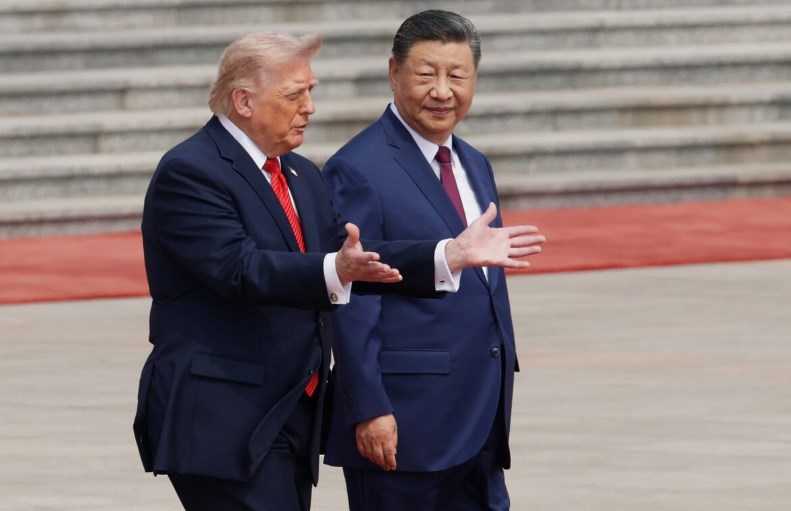
Unease Among Allies and Voices From the Region
Not every leader in Shenzhen welcomed the great-power spectacle without reservation. Across Europe, officials watched the Shenzhen summit with visible unease, worried that Washington might pursue bilateral or trilateral understandings over Ukraine or global trade rules without European voices at the table.
Meanwhile, other Asia-Pacific leaders used the formal APEC plenary to press their own priorities. Australian Prime Minister Anthony Albanese directly challenged Putin during the leaders’ gathering, urging him to end the war in Ukraine immediately. Indonesian President Prabowo Subianto emphasized that APEC’s true value lies in tangible economic cooperation that lifts everyday citizens and preserves regional peace. And in his own keynote remarks, Xi Jinping rallied against protectionism, comparing APEC’s 21 member economies to “passengers riding the same ship” who must navigate turbulent global waters together.
Whether the Shenzhen summit produces lasting policy agreements or serves primarily as high-stakes diplomatic theater, the images from southern China have already defined the year in international relations. With Trump, Xi, and Putin sharing the stage in the heart of China’s innovation capital, the future of global trade and security is being shaped in real time. President Trump
About the Author