Trump drops ballot lawsuit, GOP in retreat after historic midterm losses – President Donald Trump and his Republican Party are facing a difficult political moment after Democrats delivered a stunning victory in the 2026 midterm elections. Just days after the results exposed the scale of Republican losses, the Trump administration’s Justice Department moved to abandon a controversial lawsuit targeting thousands of mail-in ballots in California. The decision represents another setback for the administration’s efforts to challenge state election procedures and has added to questions about the president’s political strategy.
The lawsuit sought to prevent California from counting approximately 20,000 mail-in ballots belonging to registered voters whom federal officials suspected might be noncitizens. However, California officials strongly challenged the government’s claims, arguing that its list was outdated and included eligible American citizens. Federal courts had also rejected the administration’s attempts to stop the ballots from being counted.
The Justice Department’s decision to withdraw the case came shortly after Republicans suffered historic losses across the country. Democrats secured control of both the House and Senate, delivering a major political blow to Trump and weakening the Republican Party’s influence in Washington. Together, these developments suggest that the administration is entering a much more challenging period.
Trump Administration Abandons Its California Ballot Lawsuit
On Friday, November 6, the Justice Department formally moved to dismiss its lawsuit against California, ending its attempt to force election officials to separate approximately 20,000 disputed mail-in ballots. The case had become one of the administration’s most closely watched legal battles over election procedures ahead of the midterm elections.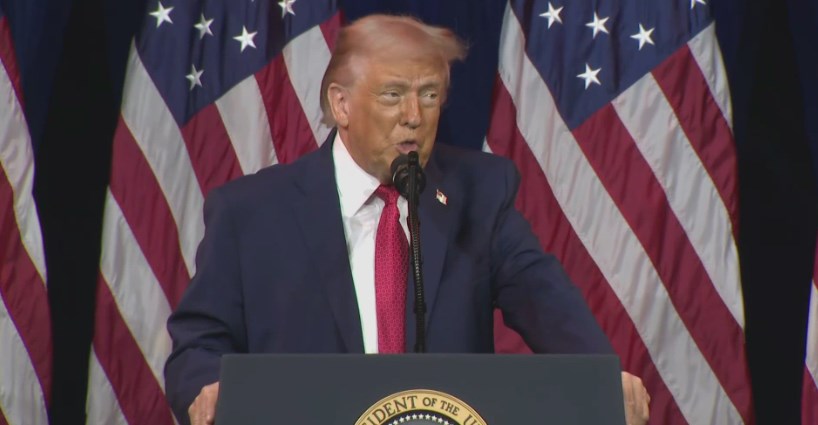
Federal officials argued that the ballots could have been cast by people who were not eligible to vote because of their citizenship status. The administration wanted California election authorities to keep those ballots separate until the voters’ eligibility could be verified.
California officials rejected the request, warning that the federal government’s list contained inaccurate information. They argued that removing ballots based on an unreliable list could prevent legitimate American citizens from having their votes counted.
The legal challenge also faced resistance from federal courts. U.S. District Judge David Carter rejected the administration’s request for emergency intervention, expressing concern that the proposed action could disrupt the election and disenfranchise eligible voters. The Supreme Court subsequently declined to intervene, allowing California to continue counting ballots under its existing procedures.
By Friday, the Justice Department acknowledged that the outcome it originally wanted was no longer possible. Government attorneys explained that once ballots had been processed and mixed with other votes, separating the disputed ballots would become impractical.
The withdrawal effectively ended this particular legal battle, although the administration indicated that it could continue pursuing other efforts related to election eligibility and voter registration.
Democratic Election Victories Put Republicans on the Defensive
The timing of the lawsuit’s dismissal is especially significant because it came after Republicans experienced one of their most damaging midterm defeats in decades. Democrats won control of both chambers of Congress, overcoming Republican advantages in several states that had previously been considered difficult territory for the party. Their victories extended beyond traditional Democratic strongholds, with major wins in Texas, Iowa, South Carolina, Kansas, and Ohio.
The results were particularly painful for Trump because he had spent considerable time campaigning for Republican candidates. The president held numerous rallies and encouraged supporters to treat the midterms as if his own name appeared on the ballot. Trump drops ballot lawsuit
That strategy failed to deliver the results Republicans needed. Several candidates backed by Trump lost important races, while Democrats managed to defeat Republicans in states that had strongly supported the president during the 2024 presidential election.
The election also exposed weaknesses within the Republican coalition. Younger voters, Hispanic voters, and several other demographic groups shifted toward Democratic candidates. Rising living costs, dissatisfaction with the country’s direction, and concerns about the administration’s policies appeared to influence voters.
For Democrats, the victories represent an opportunity to regain influence over national policymaking. For Republicans, they create an uncomfortable reality: the party will have to confront a stronger opposition while Trump remains in the White House.
Supreme Court Defeat Made the Lawsuit Even Harder to Continue
The Justice Department’s decision to abandon the California lawsuit followed several legal setbacks. One of the most important came on November 2, when the Supreme Court declined to grant the administration’s emergency request to block the counting of the disputed ballots. The ruling left the lower court decisions in place and allowed California officials to continue processing votes. It also weakened the administration’s ability to achieve its immediate objective before Election Day.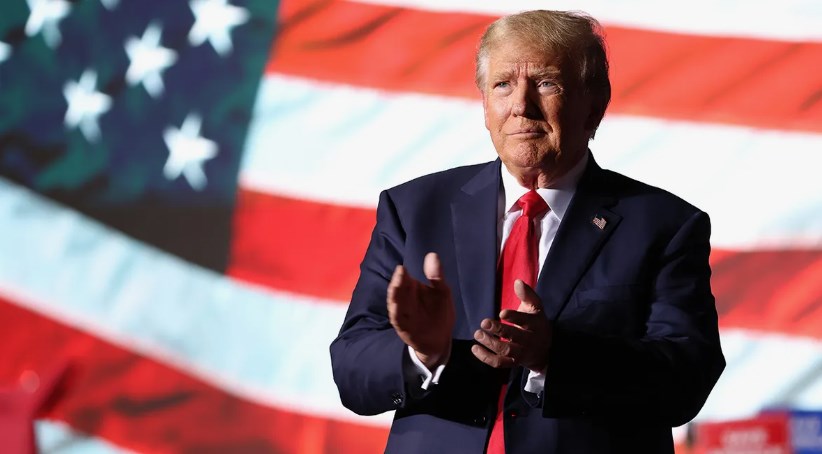
The original lawsuit was filed in October, after California had already distributed ballots to millions of registered voters. By the time the government pursued legal action, election officials had already begun processing votes. Judge Carter raised concerns about the potential consequences of separating ballots at such a late stage. He warned that the government’s proposal could create serious confusion and interfere with the voting rights of eligible citizens.
The Justice Department later argued that its requested relief was no longer available because the ballots had become mixed with lawful votes. In other words, the department acknowledged that the practical opportunity to separate the disputed ballots had passed. Importantly, withdrawing the lawsuit does not mean a court issued a final decision resolving every allegation about the voters on the federal government’s list. Instead, the case ended without a final ruling on its underlying merits.
Republicans Face Growing Pressure to Change Their Strategy
The midterm results have triggered difficult conversations within the Republican Party. Several Republican strategists and political allies have called on Trump to reconsider his approach, arguing that the election exposed serious problems with the administration’s priorities.
Economic concerns were among the biggest issues facing Republican candidates. Many voters remained frustrated by high living costs, while the administration’s policies and involvement in the Iran war created additional political complications.
Some Republicans also expressed concerns that Trump’s campaign strategy focused too heavily on his personal agenda rather than the everyday problems affecting American households.
The president, however, initially showed little interest in accepting responsibility for the results. Trump suggested that the election outcome should not be viewed as a personal rejection of his leadership, even as Republican candidates struggled across the country.
The situation has placed additional pressure on Republican lawmakers who must decide how closely they want to remain aligned with the president. Some may continue supporting his agenda, while others could become more willing to challenge the White House.
The party’s internal disagreements could become increasingly visible as Republicans begin considering their political future beyond Trump’s presidency.
Democrats Prepare to Challenge the Trump Administration
With Democrats preparing to take control of Congress, the political balance in Washington is changing dramatically. Their victories give the party greater power to investigate the administration, challenge its policies, and block legislative proposals that lack sufficient support. Trump drops ballot lawsuit
Congressional oversight could become one of the Democrats’ most important tools. Lawmakers are expected to examine several administration decisions, including the Justice Department’s handling of election-related investigations and its approach to federal law enforcement.
Democrats could also demand explanations about the administration’s attempts to influence state election procedures. The California lawsuit may become an important example in broader discussions about the relationship between federal authorities and state governments.
For Trump, losing Republican control of Congress means that advancing his legislative agenda will become significantly more difficult. He may increasingly rely on executive actions, although those decisions could face legal challenges and congressional investigations. The president still holds substantial executive authority, but the midterm results have clearly reduced his political freedom. Trump drops ballot lawsuit
A Difficult New Chapter for Trump and the Republican Party
The withdrawal of the California ballot lawsuit represents more than the conclusion of one legal dispute. It comes at a moment when the Republican Party is struggling to recover from an unexpectedly damaging election and the administration is preparing for a stronger Democratic opposition.
Trump’s influence over Republican politics remains considerable, but the midterms demonstrated that his endorsements and campaign appearances cannot guarantee victories. Voters showed that they are willing to reject Republican candidates even in states where the president previously enjoyed strong support. Trump drops ballot lawsuit
Meanwhile, Democrats are preparing to use their new congressional majorities to challenge the administration and advance their own priorities. Whether Trump responds by changing course or doubling down on his existing strategy remains uncertain. What is becoming increasingly clear, however, is that the political environment has shifted.
After the historic midterm losses and the decision to abandon the California ballot lawsuit, Republicans are facing a period of uncertainty. The coming months will test whether the party can rebuild its political standing or whether the Democratic victories mark the beginning of an even deeper challenge to Trump’s leadership.
About the Author