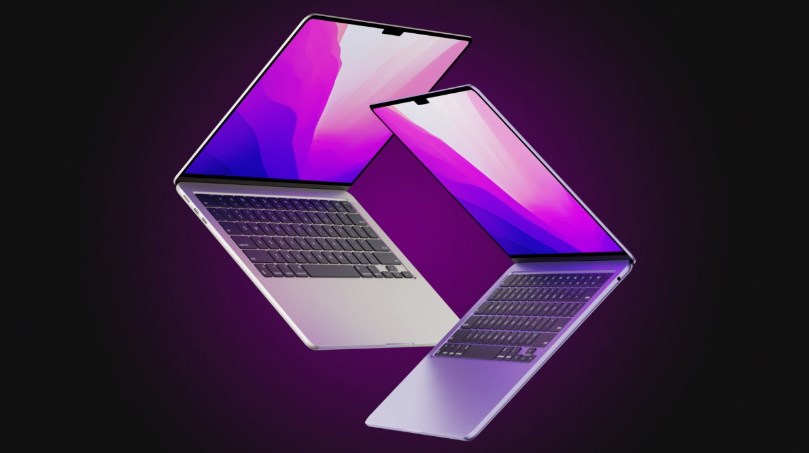
 The next MacBook Air could arrive early next year, but OLED will have to wait – Apple may not have to wait long before introducing its next MacBook Air, but anyone hoping for a major display upgrade might need to be a little more patient. Reports suggest that the company could launch an updated MacBook Air early next year, bringing improvements to its performance and everyday usability. However, the long-awaited switch to OLED technology is unlikely to happen with this upcoming refresh.
For many people, the MacBook Air remains one of Apple’s most appealing laptops. It offers a lightweight design, dependable battery life, and enough processing power for everyday work without the bulk of a professional-grade machine. Students, office workers, content creators, and frequent travelers have all found reasons to choose it over more expensive alternatives. That makes any news about its next update worth watching, even if the changes are expected to be relatively modest.
The possibility of an early-year launch also gives potential buyers something to consider. Anyone planning to purchase a MacBook Air may wonder whether it makes more sense to buy the current model or wait for the next generation. While a newer chip could deliver meaningful performance improvements, the absence of OLED means the laptop may retain some of the display limitations that Apple has yet to address.
An Early Launch Could Be on the Horizon
Apple traditionally updates its MacBook lineup to keep pace with improvements in its Apple silicon processors. Rather than redesigning every laptop with each generation, the company often introduces a new chip while preserving a familiar design. This approach allows Apple to improve speed and efficiency without making substantial changes to a product that already appeals to a broad audience.
The next MacBook Air could follow that same strategy. An early-year release would give Apple an opportunity to introduce a newer processor and improve performance while maintaining the slim, portable design that defines the Air family. Although the exact launch date and specifications have not been firmly established, the possibility of an announcement in the first part of the year has attracted attention from people considering an upgrade.
A chip refresh might not sound particularly exciting at first, especially for users expecting a completely redesigned laptop. However, processor improvements can have a noticeable impact on daily computing. Faster application launches, smoother multitasking, and improved performance in demanding workloads can make a laptop feel more responsive, even when its external appearance remains unchanged.
That said, an expected launch window should not be treated as a confirmed release date. Apple has not necessarily committed to every detail circulating in reports, and specifications can change before a product reaches the market. Anyone waiting for the next MacBook Air should keep an eye on official announcements rather than assuming that every rumored feature will make the final product.
Performance Could Be the Main Attraction
If Apple introduces a new generation of MacBook Air early next year, its processor will likely be one of the most important improvements. Apple’s in-house chips have helped the company build a reputation for combining strong performance with relatively low power consumption. That balance is particularly important for a thin laptop, where cooling capacity and battery efficiency matter just as much as raw computing power.
A newer Apple silicon processor could provide additional performance for everyday applications, office software, web browsing, and photo editing. Users who regularly keep multiple applications open may also benefit from improvements in multitasking. For people working with larger files or more demanding creative projects, a newer chip could offer a welcome boost, although the actual gains would depend on the processor Apple eventually selects.
Battery life is another area where processor efficiency could make a difference. The MacBook Air is designed for people who want to work away from a power outlet, whether they are attending classes, traveling, or moving between meetings. Better energy efficiency could help maintain that advantage while delivering more computing power. Still, actual battery performance would depend on the display, software, workload, and other hardware components.
Not every user would necessarily notice a dramatic improvement, however. Someone who mainly writes documents, watches videos, and checks email may find that an existing MacBook Air already handles those activities comfortably. For these users, the next model’s value would depend on its price, memory configurations, and other practical improvements rather than processor speed alone. The next MacBook Air could arrive early next year
Why OLED Is Still a Long Way Off
The biggest disappointment for some potential buyers may be the expected absence of OLED technology. OLED displays have become increasingly popular across smartphones, tablets, televisions, and premium laptops because they can produce deep blacks, strong contrast, and vibrant colors. Unlike conventional LCD panels, OLED pixels generate their own light, allowing individual pixels to turn off completely when displaying black.
For a laptop, these characteristics could make movies look more immersive, photographs appear more striking, and dark interfaces feel more natural. OLED can also offer excellent response times, which may benefit users who appreciate smooth visual performance. Depending on the panel and how it is implemented, the technology can provide a noticeable visual upgrade over a traditional LCD display.
However, introducing OLED across an entire laptop lineup is not as simple as replacing one panel with another. Manufacturing costs, production capacity, power consumption, brightness requirements, and long-term display characteristics all influence a company’s decision. Apple also has to balance the cost of new components against the MacBook Air’s position as a more affordable alternative to its premium MacBook Pro models.
Keeping LCD technology for another generation would therefore make commercial sense. It would allow Apple to continue offering the MacBook Air at a competitive price while reserving a potentially more expensive display upgrade for a future model. Although OLED remains a possibility for a later generation, its arrival should not be considered guaranteed until Apple provides more concrete information.
The MacBook Air May Keep Its Familiar Design
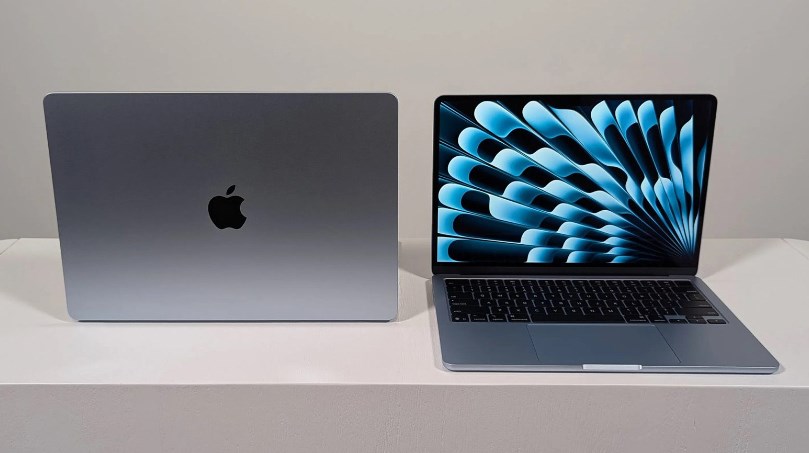
Without OLED, the next MacBook Air may not look dramatically different from the existing generation. Apple has already established a recognizable design built around a thin aluminum body, a large trackpad, a comfortable keyboard, and a display with relatively narrow borders. The design prioritizes portability and simplicity rather than the extra ports, larger cooling systems, and more powerful hardware found in the MacBook Pro.
That familiar appearance is not necessarily a weakness. The MacBook Air’s lightweight construction makes it convenient for people who carry their computers throughout the day. Its minimalist design also fits easily into classrooms, offices, coffee shops, and travel bags. If Apple preserves the same overall dimensions, buyers could continue benefiting from a laptop that is easy to transport without sacrificing a premium feel.
The display could also remain one of the main differences between the Air and more expensive MacBook models. Even without OLED, Apple’s LCD panels can provide sharp text, useful brightness, and solid color reproduction for everyday productivity. For many users, these qualities are more than sufficient for spreadsheets, presentations, video calls, streaming, and casual photo editing.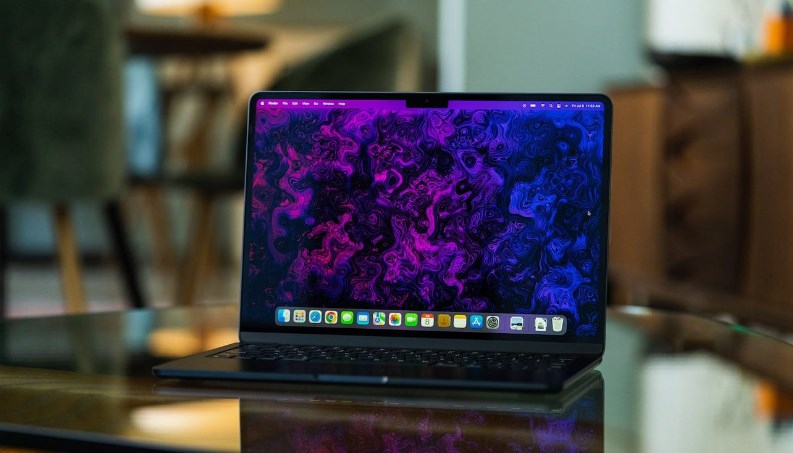
Connectivity, memory, storage, and external-display support will also be worth watching when the next model is announced. These features can influence the overall experience just as much as a new processor. Until Apple reveals the specifications, though, any claims about major changes to these areas should be treated as speculation rather than established fact. The next MacBook Air could arrive early next year
Should You Wait for the Next MacBook Air?
The decision ultimately depends on the laptop you currently own and what you expect from an upgrade. If your computer is several years old, struggles with demanding applications, or no longer delivers the battery life you need, waiting for a newer MacBook Air could be worthwhile. A refreshed model may provide better performance and efficiency while retaining the portability that makes the series attractive. The next MacBook Air could arrive early next year
On the other hand, people who need a laptop immediately may not benefit much from delaying a purchase solely because a new model could arrive early next year. The current MacBook Air may already offer everything they need for work, study, and entertainment. Depending on retailer discounts and local pricing, an existing model could also become a better value when its successor approaches.
Those specifically interested in OLED should take a different approach. If deeper blacks, stronger contrast, and the potential visual benefits of a next-generation display are priorities, waiting for a future product cycle may make more sense. However, there is no guarantee that Apple will bring OLED to the MacBook Air on a particular timetable, so buyers should avoid postponing a necessary purchase indefinitely based on an unconfirmed upgrade.
Ultimately, the next MacBook Air could be an important update even if it does not deliver a dramatic redesign. A newer processor, improved efficiency, and continued portability would preserve the qualities that have made the laptop popular. The missing OLED display may disappoint users looking for a more noticeable visual change, but it does not automatically make the upcoming model less appealing.
For now, the most sensible expectation is a potentially incremental refresh rather than a complete transformation. An early-year launch remains a possibility, while the display upgrade appears to be something Apple may save for later. Until the company confirms its plans, prospective buyers should weigh the benefits of waiting against the capabilities and prices of the MacBook Air models already available.
About the Author