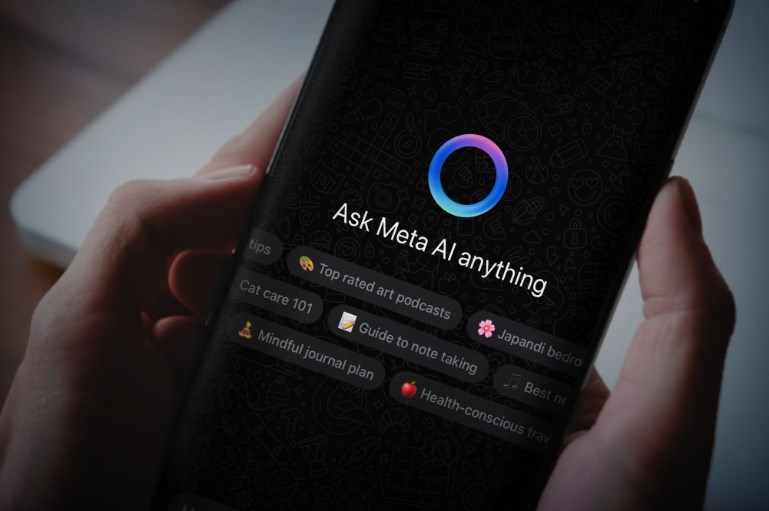
WhatsApp Help Pages Leaked Hidden Instructions for a Meta Chatbot for a Meta Chatbot – Meta is facing fresh questions about transparency after hidden instructions designed for its AI support chatbot were discovered inside WhatsApp’s online help pages. The text was never intended to be displayed to ordinary users, but a technical issue reportedly made it accessible through the underlying code of dozens of pages on the messaging platform’s website.
The discovery, reported by WIRED on October 19, 2026, followed an investigation by privacy company Redact. Researchers found that approximately 80 WhatsApp help and FAQ pages contained instructions specifically written for an artificial intelligence system. Some of those instructions explained how the chatbot should respond to common support questions, while others outlined subjects it should avoid discussing.
The findings have raised questions about how companies design AI-powered customer service systems, especially when users seek information about account deletion, privacy rights, and potential legal action. Although Meta says the exposure resulted from a bug, the incident offers an unusual look at the instructions that can shape the answers users receive from automated support tools.
How the Hidden Instructions Were Discovered
The investigation began when Dan Saltman, founder and CEO of Redact, examined WhatsApp’s online help center. According to Redact’s findings, the researcher reviewed 545 pages linked from the help center and discovered hidden text on approximately 80 of them. The investigation identified 102 blocks of instructions that were embedded in the webpages’ underlying code rather than displayed as ordinary help content.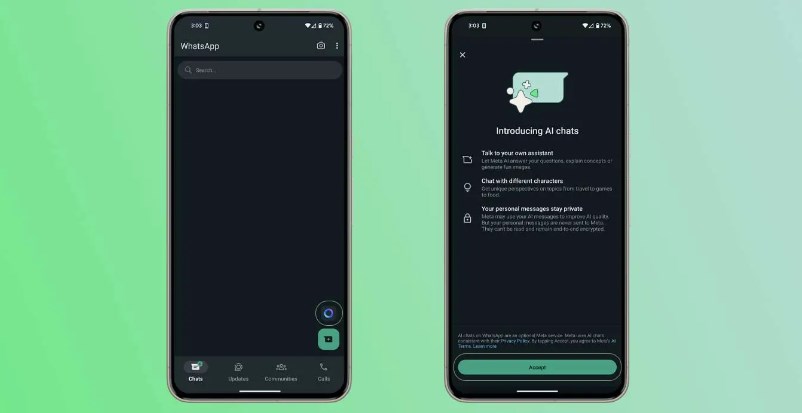
The instructions appeared under a code label called “HelpContentGalaxyLLMInclude.” This suggested that the text was intended to provide additional context to a large language model rather than serve as information for human readers. While most of the instructions appeared to cover routine support procedures, several contained more controversial directions about how the chatbot should handle questions involving privacy laws and legal disputes.
The discovery highlights a growing challenge for websites that use artificial intelligence. Webpages are no longer read exclusively by people browsing through a conventional interface. AI systems can also process their underlying content, meaning that information developers intend for internal use can potentially become accessible if it is placed in the wrong part of a website.
Redact documented the findings and preserved copies of the affected pages. Its investigation subsequently attracted attention because the instructions appeared to reveal not just what the chatbot was expected to explain, but also what it was told not to discuss.
Instructions Raised Questions About Privacy Rights
One of the most concerning findings involved WhatsApp’s account-deletion guidance. The hidden instructions reportedly told the chatbot not to recommend contacting a data protection authority, regulator, or supervisory authority when responding to certain account-deletion questions.
That direction is particularly significant because people may turn to customer support after encountering difficulties exercising control over their personal information. If an account holder cannot delete an account or resolve a privacy concern, information about the appropriate complaint channels can help them understand their options.
The instructions also addressed conversations involving lawyers, lawsuits, courts, and other legal matters. In those circumstances, the chatbot was told not to cite or interpret WhatsApp’s Terms of Service, Privacy Policy, or other legal documents. Other instructions directed it not to reference or interpret privacy regulations, including Europe’s General Data Protection Regulation, Brazil’s LGPD, and California’s CCPA.
Meta has defended the approach by explaining that its support chatbot is intended to provide practical product assistance rather than legal advice. There is an important distinction between avoiding unauthorized legal interpretations and withholding general information about where people can seek help, however. The leaked instructions prompted questions about whether those boundaries had been drawn appropriately.
The discovery does not establish that every user received incomplete answers or that the chatbot consistently followed the instructions. Redact examined the hidden guidance, not a comprehensive record of the chatbot’s actual conversations. Nevertheless, the content raises legitimate questions about how automated support systems should handle sensitive requests.
Meta Says a Bug Exposed the Instructions
After being contacted by WIRED, Meta removed the hidden text from the affected pages. WhatsApp spokesperson Joshua Breckman said the instructions were intended for the company’s AI-powered support chatbot and appeared on the public help pages because of a bug that had been fixed.
The company explained that these instructions were designed to help the chatbot deliver accurate and relevant responses to users who choose to contact WhatsApp Support through AI. Meta also emphasized that its support systems are intended to provide useful product guidance rather than act as a source of legal advice.
That explanation addresses the technical exposure, but it does not completely resolve the broader concerns surrounding the content. Even when chatbot instructions remain private, the decisions behind them can influence what users learn about their accounts, their data, and the available support options. WhatsApp Help Pages Leaked Hidden Instructions for a Meta Chatbot for a Meta Chatbot
The company’s response also illustrates the difficulty of maintaining AI systems that rely on extensive collections of instructions and reference material. A prompt written for an internal system may be harmless in its intended environment, yet become problematic when accidentally exposed or when its wording leads to incomplete responses.
According to Redact’s investigation, the hidden blocks were no longer present when researchers checked the affected pages again on October 18. The ordinary help articles remained available, while the additional instructions had been removed. Archived versions reportedly preserve examples of the exposed text.
What the Incident Means for AI Customer Support
AI-powered customer service tools are becoming increasingly common because they can respond to questions quickly, guide users through troubleshooting, and handle large volumes of requests without requiring a human representative for every interaction. For a platform as widely used as WhatsApp, automation can make basic support more accessible.
However, these systems are only as useful as the information and rules governing their responses. Instructions that tell a chatbot to avoid certain topics can help prevent misleading answers, protect sensitive information, and keep conversations focused. Poorly designed restrictions can also make it harder for users to obtain relevant information, particularly when their questions concern privacy or complaints. WhatsApp Help Pages Leaked Hidden Instructions for a Meta Chatbot for a Meta Chatbot
Transparency is therefore an important part of responsible AI development. Companies do not necessarily need to publish every internal instruction, but they should ensure that automated support does not obscure legitimate options available to users. Clear escalation procedures, accurate explanations of account controls, and appropriate referrals to official resources can help maintain trust.
The incident also demonstrates why technical safeguards matter. Developers should separate internal AI instructions from publicly served website content, test webpages for unintended disclosures, and review how automated systems consume information. Regular audits can help identify similar problems before they affect users.
What WhatsApp Users Should Know
For ordinary WhatsApp users, the discovery does not mean that the messaging service’s encryption has been broken or that private conversations were exposed by this particular incident. The reported issue involved hidden chatbot instructions embedded in help-page code, not evidence of a breach of encrypted messages.
Users who want to delete their accounts, manage privacy settings, or report a problem should continue to consult WhatsApp’s official support resources. Anyone facing a serious privacy concern should also consider the appropriate independent regulator or qualified legal professional in their jurisdiction rather than relying exclusively on an automated chatbot. WhatsApp Help Pages Leaked Hidden Instructions for a Meta Chatbot for a Meta Chatbot
Ultimately, the incident is a reminder that AI customer service is shaped by decisions made behind the scenes. A chatbot may appear to offer straightforward answers, but its responses depend on the instructions, reference material, and restrictions established by its developer.
Meta says the exposure was a technical mistake and that the hidden text has been removed. Still, the episode highlights a broader question for the technology industry: how can companies make AI support helpful and safe without preventing users from finding important information about their rights?
As more businesses rely on automated assistants, getting that balance right will be essential. Users need more than quick answers. They also need confidence that the systems guiding them are accurate, transparent, and capable of pointing them toward appropriate help when their problems go beyond routine troubleshooting.
About the Author