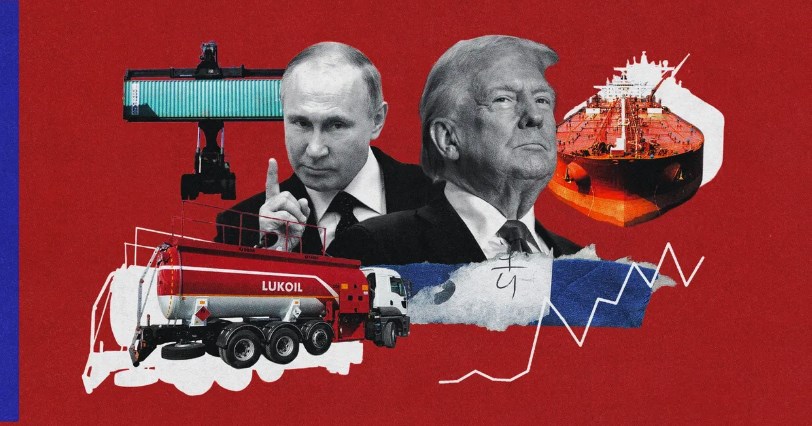
 Will Trump’s Russia diesel deal actually lower prices? – President Donald Trump is looking for ways to bring down diesel prices in the United States, and his latest move has drawn attention for an unexpected reason: it involves Russia. The agreement, announced after a conversation with Russian President Vladimir Putin in October 2026, aims to increase diesel supplies to global markets at a time when fuel costs are putting pressure on truckers, farmers, businesses, and ordinary consumers.
At first glance, the plan sounds straightforward. More diesel entering the market should mean greater supply, and greater supply can help bring prices down. However, energy markets rarely work that simply. The amount of fuel involved, the condition of Russian refineries, international shipping challenges, and continuing tensions in the Middle East could all limit the deal’s impact.
The biggest question is whether the agreement will make a noticeable difference at the pump or simply provide a temporary boost to market confidence. Early assessments from energy analysts suggest that the deal could help at the margins, but it is unlikely to solve the underlying shortage on its own. Reuters and other news organizations have reported that the proposed Russian shipments represent only a small fraction of American diesel demand.
What Is Included in Trump’s Deal With Russia?
Trump announced the agreement on October 9, saying Russia would release more than 300,000 metric tons of diesel for American and global markets. He also described plans for another 500,000 tons in November, followed by an additional one million tons. The announcement represented a significant shift in Washington’s approach to Russian energy exports, which had faced restrictions following Russia’s full-scale invasion of Ukraine in 2022.
The administration’s immediate objective is to increase the amount of diesel available to buyers and ease pressure on fuel prices. Diesel is especially important to the American economy because it powers much of the country’s freight transportation, agricultural machinery, construction equipment, and industrial operations. When diesel becomes more expensive, the consequences can spread well beyond the cost of filling a vehicle’s tank.
The deal also comes with political and diplomatic implications. The United States has spent years using economic sanctions to limit Russia’s ability to generate revenue from energy exports. Allowing certain Russian diesel shipments to proceed therefore marks a notable change in policy. The Treasury Department issued a temporary authorization covering eligible Russian diesel deliveries through April 2027, although the arrangement does not amount to a general end to sanctions against Russia.
There is still an important distinction between announcing a supply agreement and delivering enough fuel to change prices. Buyers need available cargoes, suitable tankers, functioning refineries, and workable payment arrangements. Russia’s export capacity has been affected by attacks on its energy infrastructure, while shipping restrictions and sanctions-related complications could make deliveries more difficult. These practical challenges will determine how much of the announced supply actually reaches the market.
Why Diesel Prices Have Become Such a Serious Problem
Diesel prices have risen amid disruptions to global energy supplies, including the effects of the conflict involving Iran and the resulting pressure on oil production, refining, and transportation. The situation has highlighted how vulnerable fuel markets can be when several important supply routes or energy facilities face problems at the same time.
Unlike gasoline, diesel is heavily connected to the movement of goods. Trucks transport food, household products, construction materials, and countless other items across the country. Farmers depend on diesel-powered equipment during planting and harvesting, while construction companies use it to operate machinery and move materials. When diesel prices rise sharply, these businesses must either absorb the additional expense or pass some of it on to customers.
That is why a diesel price increase can become an economic issue rather than simply a transportation problem. Higher freight costs can contribute to more expensive groceries, building supplies, and other everyday purchases. Small businesses operating on tight margins can be particularly vulnerable because they may have limited room to absorb sudden changes in fuel costs.
The pressure has also become politically significant for the Trump administration. With the November 3 midterm elections approaching, fuel prices are an issue that voters can see directly in their household budgets and business expenses. The Russia agreement offers the president a way to demonstrate that his administration is trying to address the problem, although the actual results will matter more than the announcement itself. Will Trump’s Russia diesel deal actually lower prices?
Will More Russian Diesel Actually Bring Prices Down?
The main obstacle is the size of the proposed shipments compared with the amount of diesel Americans use. According to figures cited by Reuters, the initial 300,000 metric tons would amount to approximately 2.25 million barrels of diesel. American transportation alone consumes around 2.94 million barrels each day, meaning the initial shipment represents less than one day’s demand for that sector. The planned additional deliveries would provide more supply, but they would still cover only a limited period of consumption. Will Trump’s Russia diesel deal actually lower prices?
This does not mean the deal will have absolutely no effect. Energy prices respond to expectations as well as physical deliveries. If traders believe additional fuel will become available, they may become less concerned about an immediate shortage. That change in expectations can influence wholesale prices and futures markets before every shipment has arrived.
However, there is a difference between a modest improvement in market sentiment and a lasting reduction in what consumers pay. If the wider market remains short of diesel, the additional Russian supply may simply replace fuel that would otherwise have come from another producer. In that situation, the overall balance between supply and demand changes very little.
The deal also cannot instantly repair damaged refineries or restore production lost elsewhere. Diesel is a refined petroleum product, and producing it requires suitable refining capacity as well as crude oil. Even when crude supplies improve, a shortage of refinery capacity can keep diesel prices elevated. Analysts have therefore warned that the Russian agreement is unlikely to return prices to their earlier levels by itself.
Russia Faces Its Own Challenges in Supplying Diesel
Another major question is whether Russia can deliver the promised volumes consistently. The country has historically been an important exporter of refined petroleum products, but repeated Ukrainian drone attacks on Russian oil refineries have damaged production facilities and complicated export plans. Russia has also imposed restrictions on some diesel exports to protect its own domestic supply.
Those problems matter because the global fuel market needs actual barrels of diesel, not just commitments to supply them. Even if Moscow wants to take advantage of higher international prices, damaged facilities may prevent it from producing and exporting fuel at its previous rate. Repairs to major refineries can take months, depending on the extent of the damage and the availability of equipment. Will Trump’s Russia diesel deal actually lower prices?
There are also logistical considerations. Diesel must be transported by suitable tankers and delivered to buyers willing and able to purchase it. Sanctions affecting vessels, financial transactions, and other parts of the Russian oil trade can complicate those arrangements. The initial cargoes may therefore reach markets more quickly than later shipments, but the long-term impact remains uncertain.
Russian officials said in October that diesel exports had begun reaching global markets following the agreement. Reuters reported that shipping data showed a cargo of approximately 40,000 metric tons of ultra-low-sulfur diesel leaving Russia’s Baltic port of Primorsk on October 13, with Morocco as its destination. That demonstrates that Russian exports are moving again, but it does not establish that the United States will receive the entire volume Trump announced or that American retail prices will fall substantially.
The Political Controversy Behind the Agreement
The economic argument is only one part of the story. Trump’s decision has also triggered criticism from lawmakers who believe easing restrictions on Russian energy exports undermines Washington’s efforts to pressure Moscow over the war in Ukraine. Will Trump’s Russia diesel deal actually lower prices?
A bipartisan group of six senators called on the administration to reverse course, raising concerns about the legality and broader consequences of the policy. Critics argue that allowing Russia to earn additional money from energy exports could strengthen its economy and provide resources that indirectly support its continued war effort.
The decision also creates difficult questions for America’s relationships with European allies and Ukraine. Western governments have used sanctions and other economic measures to restrict Russian revenue since the invasion. Relaxing some restrictions to address American fuel prices could weaken the appearance of a coordinated approach, especially if allies believe Washington is prioritizing domestic economic concerns over shared security objectives.
Trump’s administration has also reportedly viewed the arrangement as a possible diplomatic tool. Reuters reported that American envoys presented the diesel deal to Ukrainian officials as part of an effort to encourage Russia to return to negotiations. The strategy suggests that the administration may see potential benefits beyond fuel prices, although there is no guarantee that increased energy cooperation will persuade Moscow to make meaningful concessions.
For consumers, these diplomatic calculations may seem distant from the immediate problem of expensive fuel. Nevertheless, they could influence future sanctions decisions, international cooperation, and the stability of energy markets. Whether the agreement proves worthwhile will depend partly on whether its economic and diplomatic benefits outweigh the costs.
What Could Actually Make Diesel Cheaper?
A more lasting decline in diesel prices would likely require improvements across several parts of the energy supply chain. Additional Russian exports could contribute to that process, but the United States and other major economies would benefit more from a combination of increased production, functioning refineries, reliable transportation routes, and reduced geopolitical disruption.
The situation in the Middle East is particularly important. If tensions involving Iran continue to threaten energy infrastructure or interrupt shipments through critical waterways, the resulting uncertainty could offset the benefits of additional Russian diesel. Conversely, a sustained improvement in regional stability could help restore confidence and ease pressure on international fuel supplies.
Strategic petroleum reserves can also provide temporary assistance during supply disruptions. The International Energy Agency has encouraged participating countries to make planned emergency supplies available to the market. Such measures can help address immediate shortages, although they cannot replace the need for dependable long-term production and refining capacity.
Domestic refining operations matter just as much. Increasing the availability of crude oil will not automatically produce more diesel if refineries cannot process it efficiently or do not have sufficient capacity to manufacture the products consumers need. Investments in maintenance, operational reliability, and transportation infrastructure can help reduce vulnerabilities, although these improvements take time.
Finally, consumers should not expect wholesale price changes to appear immediately at every gas station. Retail prices reflect fuel acquisition costs, transportation, distribution expenses, taxes, and local competition. Even if the Russian deal lowers wholesale prices somewhat, the savings may take time to reach truckers, farmers, and other customers. The size and timing of any reduction will vary by location and market conditions.
Final Verdict: A Small Step, Not a Complete Solution
Will Trump’s Russia diesel deal actually lower prices? The most reasonable answer is that it could provide some relief, but a substantial or sustained reduction is far from guaranteed.
The agreement may help improve supply expectations and add fuel to the international market. Those are potentially useful developments when diesel supplies are tight. However, the initial shipment is small relative to American demand, Russian refining capacity has suffered damage, and continuing geopolitical tensions remain major obstacles to a meaningful price decline.
The deal also carries consequences beyond the economy. By easing restrictions on Russian diesel, Washington is changing an important part of its policy toward Moscow, prompting criticism from lawmakers and raising concerns among supporters of Ukraine. Whether the move delivers broader diplomatic gains remains uncertain.
For truckers and farmers, the real test is straightforward: does the cost of buying diesel actually fall, and does that reduction last? Until larger volumes arrive consistently and the wider supply situation improves, it would be premature to treat the agreement as a solution to America’s fuel-price problem.
Trump’s initiative could become one part of a broader effort to stabilize energy markets. But lower prices will ultimately depend on more than a deal between two presidents. They will require sufficient fuel production, reliable refining and shipping, and fewer disruptions across the global energy system. For now, the agreement offers a possible source of relief rather than a promise of cheaper diesel. Will Trump’s Russia diesel deal actually lower prices?
About the Author