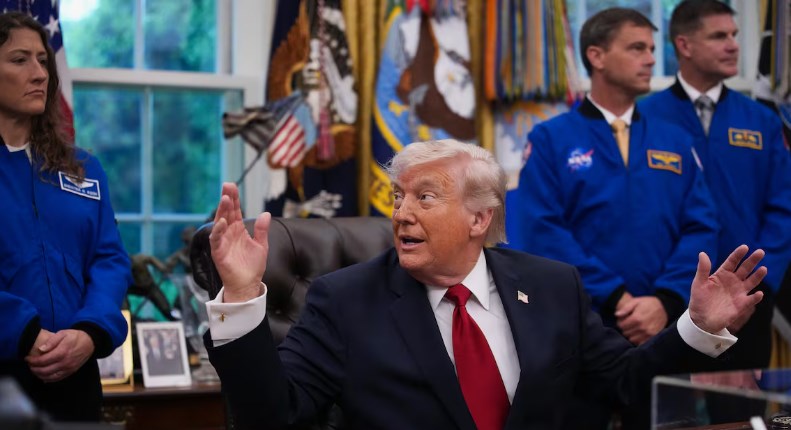
Trump on Columbus Day, the ad lawsuit and his next midterm trip – President Donald Trump spent Columbus Day navigating a mix of political messaging, legal controversy, and election campaigning as the United States moved closer to the November 3, 2026, midterm elections. While the federal holiday offered an opportunity to highlight his views on American history and national identity, the president also faced mounting scrutiny over taxpayer-funded television advertisements and continued efforts to help Republicans maintain control of Congress.z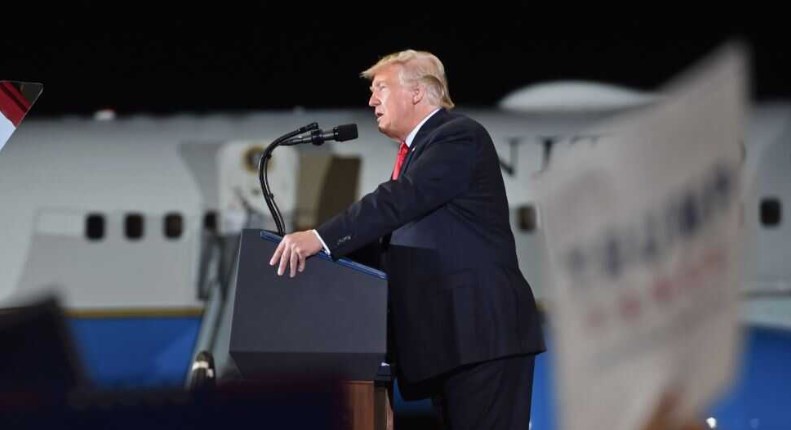
The day brought together three issues that have become increasingly important to Trump’s presidency: his effort to promote a particular vision of American heritage, a legal battle over the use of public money for advertisements featuring him, and his decision to campaign directly for Republican candidates in competitive races. Each issue carries different political and legal implications, but all have placed the administration under additional attention as Election Day approaches.
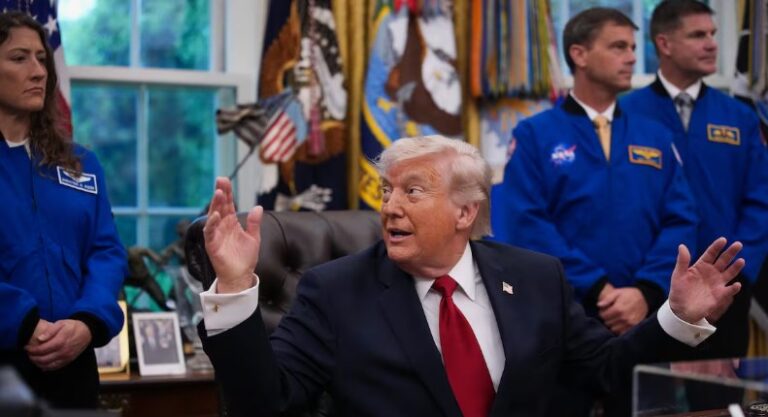
Trump’s activities on October 12 included a visit to his golf club in Sterling, Virginia, and a campaign rally in Ohio. His public schedule and online activity reflected the competing demands of presidential responsibilities and an increasingly intense midterm campaign. At the same time, a federal judge’s order restricting the administration’s taxpayer-funded advertisements created another challenge for the White House just weeks before voters head to the polls.
Trump’s Columbus Day Message Emphasizes American Heritage
Trump’s approach to Columbus Day reflects his long-standing effort to defend traditional patriotic symbols and oppose campaigns to remove historical monuments. In his 2026 Columbus Day proclamation, he praised Christopher Columbus as an explorer whose voyage helped shape the history of the United States. He also presented Columbus as a symbol of courage, faith, and perseverance, arguing that the explorer’s legacy should be protected rather than erased.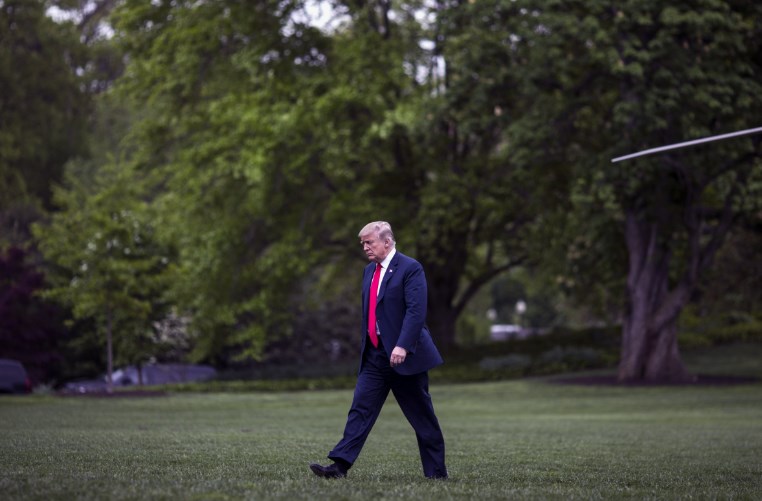
The president’s position differs from that of Americans who view Columbus primarily through the consequences of European colonization for Indigenous peoples. Across the country, Columbus Day and Indigenous Peoples’ Day have become part of a broader discussion about how the nation remembers its past. Supporters of Columbus Day often emphasize Italian-American heritage and the explorer’s historical significance, while advocates of Indigenous Peoples’ Day seek greater recognition of Indigenous communities and the harm caused by colonization.
Trump has made the defense of historical monuments a recurring theme in his political messaging. His administration has presented the preservation of traditional symbols as part of a wider effort to promote national pride and resist what it describes as attempts to rewrite American history. That approach appeals to voters who believe historic figures and monuments should remain visible, even when their legacies are controversial.
The holiday also provided an opportunity for Trump to reinforce his connection with Italian-American communities and conservative voters who favor traditional patriotic celebrations. His message was consistent with his broader political identity, which frequently emphasizes national sovereignty, cultural heritage, and a particular interpretation of the country’s founding traditions. However, the debate surrounding Columbus Day demonstrates that Americans continue to disagree about which historical figures deserve celebration and how their actions should be understood.
The White House Faces a Lawsuit Over Taxpayer-Funded Ads
While Trump highlighted American history, his administration faced a significant legal challenge involving television advertisements that featured the president and promoted his political message. The advertisements began airing in September and were funded through a $20 million Department of Homeland Security contract. According to media-tracking estimates reported by The Associated Press, more than $12 million had already been spent on the campaign by early October.
The Democratic National Committee filed a lawsuit alleging that the administration improperly used taxpayer money to promote Trump and support his political agenda ahead of the midterm elections. A separate lawsuit was brought by Common Cause and other plaintiffs, who argued that the advertisements amounted to government propaganda rather than legitimate public service announcements. Both legal challenges sought to prevent further federal spending on the campaign.
The dispute centers on whether the government used money appropriated for legitimate public purposes in a manner that federal law permits. The administration defended the advertisements as promotional messages highlighting government policies and achievements. Critics countered that the spots featured Trump prominently and echoed his campaign rhetoric, making them difficult to distinguish from political advertising.
Trump defended the campaign publicly, describing the advertisements as positive promotion for the United States. After criticism intensified, he said his political organization, MAGA Inc., would pay for future advertising instead of relying on taxpayer money. However, that pledge did not resolve questions about the funds already spent or whether the advertisements had violated federal restrictions.
The controversy quickly developed into a broader argument about the proper use of public resources. Government agencies routinely communicate with the public about policies, security measures, and available services. The legal question is whether these particular advertisements served an authorized government purpose or crossed the line into political promotion at public expense.
A Judge Orders the Ads to Stop
The legal dispute took a new turn on Sunday, October 11, when U.S. District Judge Jennifer Rochon issued a temporary restraining order barring the administration from using taxpayer funds to continue the advertisements. The ruling followed a lawsuit brought by Common Cause and other plaintiffs, who argued that the government had exceeded its authority by financing commercials that promoted Trump’s political message. The judge concluded that the plaintiffs were likely to succeed in their legal challenge and could suffer harm if the advertising continued. Trump on Columbus Day
The situation became more complicated on Monday when two advertisements continued airing after the court’s deadline. According to The Washington Post, advertising data showed that the commercials ran during television programming even though the order required the administration to stop them. The White House said the Department of Homeland Security had not received notice of the court order in time to cancel the scheduled advertisements. The Justice Department later acknowledged the communication error and apologized to the judge and plaintiffs.
The episode added another layer to the controversy, although the reported failure to stop the advertisements does not by itself establish that officials deliberately defied the court. The legal proceedings will determine what further steps are necessary and whether the administration complied with its obligations. The judge’s temporary order also does not represent a final resolution of the underlying lawsuits.
The question of reimbursement remains unresolved as well. Trump said future advertising could be financed through his political organization, but the White House indicated there were no immediate plans to repay taxpayers for the money already spent. That leaves a broader accountability question: if the courts ultimately determine that the spending was unlawful, what consequences, if any, will follow for the officials responsible?
Trump’s Ohio Rally Focuses on the Midterm Elections
Alongside the legal controversy, Trump continued his campaign push in Ohio, where he appeared at a rally in Youngstown on Columbus Day. His visit was intended to support Republican candidates, including Senate candidate Jon Husted and gubernatorial candidate Vivek Ramaswamy. With the November 3 election approaching, the president has increasingly devoted his public appearances to encouraging voters to support Republicans in competitive races.
Ohio has become an important destination for the administration’s midterm efforts. Although Trump carried the state in the 2024 presidential election, Republican candidates face difficult contests in 2026. Husted is seeking a full Senate term and faces a challenge from Democrat Sherrod Brown, while Ramaswamy is competing against Democrat Amy Acton in the governor’s race. Trump’s appearance demonstrated how closely national Republican messaging is tied to the outcomes of these state-level contests. Trump on Columbus Day
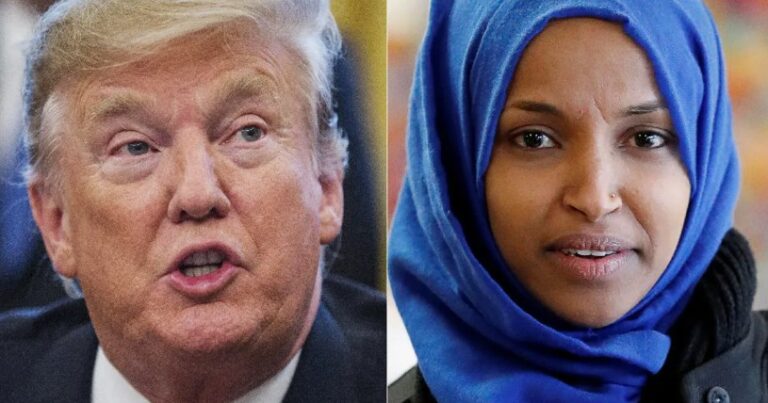
At the rally, Trump concentrated heavily on immigration, criticizing immigrants from Somalia and Haiti and linking immigration policy to concerns about public safety and local communities. His remarks reflected an issue that has remained central to his administration and political identity. Critics have challenged his descriptions of immigrant groups, arguing that broad attacks can encourage prejudice and distract from the specific evidence needed to evaluate public policy.
The president’s visit also highlighted his willingness to use the visibility of the presidency to help political allies. He urged supporters to back Republican candidates and presented their campaigns as part of a wider effort to advance his administration’s priorities. For Republicans, the president’s involvement offers national attention and access to his political base. For Democrats, the campaign stops provide opportunities to argue that the administration is placing partisan objectives ahead of other national concerns.
What These Developments Mean for Trump
Columbus Day offered Trump an opportunity to promote his preferred interpretation of American history, but the holiday unfolded against a backdrop of legal disputes and campaign pressures. His defense of Columbus reflected a broader effort to appeal to voters who prioritize traditional patriotic symbols. Meanwhile, the lawsuits over government-funded advertisements raised questions about the boundaries between public communication and political promotion.
The advertising case is particularly significant because it involves the use of public money at a time when political competition is intensifying. Federal agencies must operate within the authority granted by Congress, and government spending is subject to legal restrictions. The courts will have to determine whether the advertisements complied with those requirements. The administration’s defense of the campaign, the judge’s temporary order, and the subsequent communication error are all part of a developing legal dispute rather than a final judgment on every allegation.
Trump’s Ohio trip showed that his political strategy remains focused on supporting Republicans through direct campaigning and forceful messaging on immigration. Whether those efforts affect the November results remains uncertain. Voters will make their decisions based on a range of concerns, including the economy, immigration, public services, foreign policy, and their views of the president’s leadership.
For now, the three stories illustrate the competing demands facing the administration. Trump is promoting his vision of American identity, defending a controversial advertising campaign, and traveling to support Republican candidates. At the same time, his administration must respond to judicial oversight and public questions about how government resources are used.
As Election Day approaches, the outcome of the advertising lawsuits and the president’s campaign appearances will remain under close scrutiny. The central issues extend beyond one holiday or one political rally: they concern how presidents use public platforms, how federal money is spent, and how government authority should be exercised during an election season. The answers will depend on the evidence presented in court, the administration’s future actions, and ultimately the decisions made by American voters. Trump on Columbus Day
About the Author