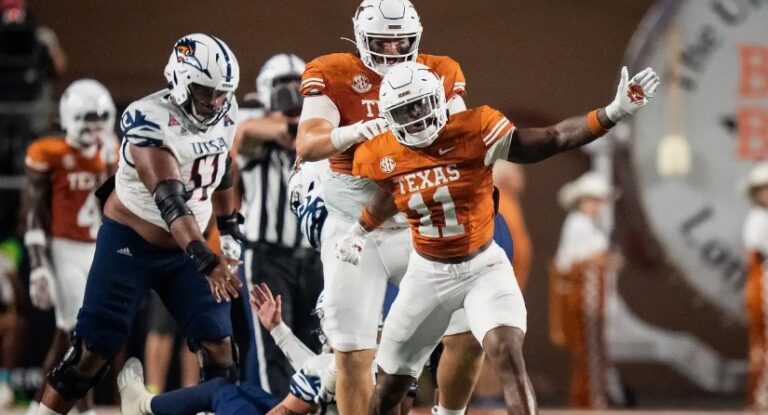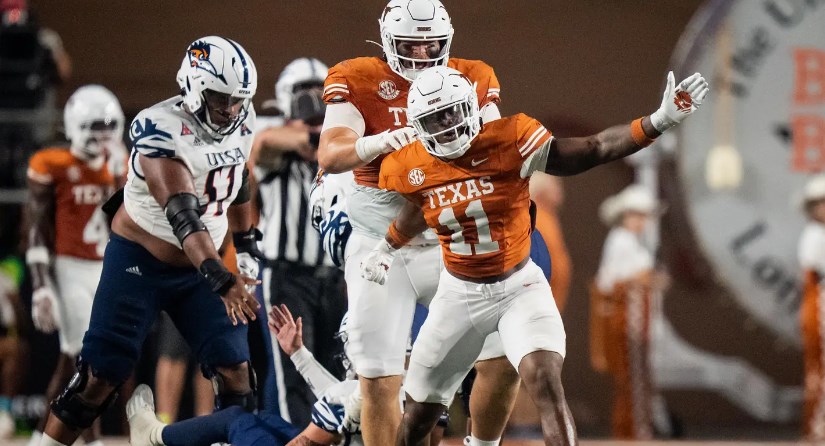
The biggest headline came from the Red River Rivalry, where Oklahoma stunned No. 1 Texas, 27-24, on a 47-yard field goal by Tate Sandell as time expired. The result ended Texas’ unbeaten start and raised fresh questions about quarterback Arch Manning, the Longhorns’ offensive consistency, and their chances of reaching the College Football Playoff.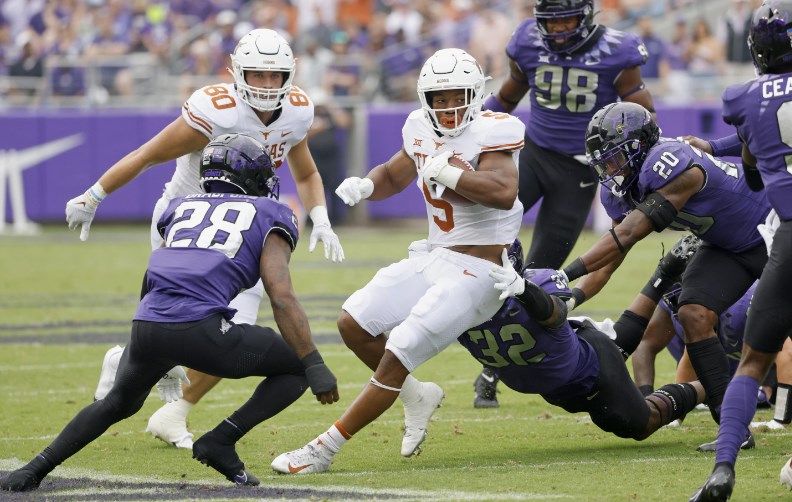
But college football fans know how quickly one Saturday can change the national conversation. A team can look like a championship contender one week and suddenly face serious doubts the next. Coaches are questioned, quarterbacks become the center of criticism, and playoff predictions change before the dust has even settled. With that in mind, let’s examine five major overreactions from Week 6 and separate the immediate emotional reaction from what the results actually tell us.
1. Texas Is Finished in the College Football Playoff Race
Losing to an unranked rival is never part of the plan for a team that begins the season at No. 1. For Texas, the 27-24 defeat against Oklahoma was particularly painful because the Longhorns had entered the game unbeaten and carried significant expectations after an earlier victory over Ohio State. The loss exposed several problems that had been easier to overlook during the team’s previous wins. Manning threw two costly interceptions, special teams surrendered a touchdown on a blocked punt, and defensive penalties helped Oklahoma sustain opportunities. The Sooners ultimately took advantage of those mistakes, with Sandell delivering the decisive kick as time expired.
It is understandable that Texas supporters are worried. The Longhorns have lost their unbeaten record, and the defeat raises legitimate questions about their ability to execute under pressure. Their remaining schedule also leaves little room for complacency, particularly with several difficult opponents still ahead. However, declaring Texas finished in the CFP race would be premature. One loss does not automatically eliminate a team from consideration, especially with more than half the regular season still to be played. The expanded 12-team playoff format also gives strong teams more opportunities to recover from setbacks than the old four-team system did. Texas in CFP trouble
The important issue is how Texas responds. If Manning reduces costly turnovers, the offense becomes more consistent, and the special teams unit eliminates avoidable mistakes, the Longhorns can still put together a convincing finish. Their talent and earlier performances remain relevant, even though their margin for error has narrowed. The loss should be treated as a warning rather than a season-ending verdict. Texas has real problems to address, but the CFP conversation is far from over.
2. Arch Manning Is the Biggest Problem at Texas
Whenever a highly anticipated quarterback struggles in a major rivalry game, criticism follows quickly. Manning experienced exactly that against Oklahoma, with his late interceptions becoming defining moments in the Sooners’ victory. For a quarterback playing under the spotlight at Texas, the expectations are enormous. Every mistake receives national attention, and every disappointing performance encourages questions about whether the player can deliver when the stakes are highest.
Manning’s turnovers were undeniably costly. Oklahoma converted the momentum from those plays into opportunities that helped decide the game. In a close contest, a single interception can change the direction of an entire drive, and two mistakes at crucial moments make recovery much more difficult. Still, placing the entire defeat on Manning would overlook the broader performance. Texas also gave up a special-teams touchdown and committed defensive penalties that helped Oklahoma remain competitive. The Longhorns’ problems were not limited to one position.
Manning also showed that he could respond after adversity. Texas mounted a seven-play, 75-yard scoring drive to tie the game at 24-24 in the fourth quarter, with Manning connecting with Jermaine Bishop Jr. for a touchdown. He finished with 260 passing yards and three touchdown passes, demonstrating that the offense could still produce meaningful plays despite its mistakes. Texas in CFP trouble
That does not erase the interceptions, nor does it mean Texas should ignore his decision-making. The coaching staff must help him recognize dangerous situations, manage pressure, and protect possession when a game becomes tight. But one difficult afternoon should not define an entire quarterback season. The more useful question is whether Manning learns from the loss and improves in the weeks ahead. His response will tell us more than the immediate reaction to his mistakes.
3. Georgia Is Clearly the Best Team in College Football
Georgia strengthened its national championship credentials with a 20-17 road victory over Alabama, a result that carried considerable weight in the SEC race. The Bulldogs delivered when the game was on the line, combining a timely offensive performance with a defense that limited Alabama quarterback Keelon Russell and produced four sacks. Quarterback Gunner Stockton made several important throws, while Georgia’s running game helped the Bulldogs maintain pressure on the Alabama defense. The victory was especially meaningful because winning in Tuscaloosa is difficult, and the result gave Georgia a significant advantage in the national rankings conversation.
The outcome also changed the top of the AP poll. On October 11, Georgia moved into the No. 1 position after Texas fell to Oklahoma. Notre Dame climbed to No. 2, while Miami, Ohio State, and Indiana completed the top five. That is a major achievement for Georgia, but declaring the Bulldogs unbeatable would be an overreaction. A three-point victory, even against a strong opponent on the road, does not guarantee success in every remaining game. The SEC schedule is demanding, and other championship contenders have plenty of opportunities to improve.
Georgia still needs to demonstrate that it can maintain its level of execution against different defensive schemes and handle the pressure that comes with being the top-ranked team. Opponents will now have even more motivation to deliver their best performances against the Bulldogs. The victory deserves recognition, and Georgia has a strong case for its new ranking based on the result. However, the national championship race remains open. The Bulldogs have established themselves as a major contender, but their position will need to be reinforced through consistent performances over the rest of the season. Texas in CFP trouble
4. LSU’s Playoff Hopes Are Over After Losing to Kentucky
LSU entered Week 6 with high expectations, but its 35-34 overtime loss to Kentucky created a serious setback. The Tigers had opportunities to win, yet mistakes and missed chances allowed Kentucky to remain in the game until the decisive two-point conversion. Kentucky’s victory was particularly remarkable because it followed another overtime win over South Carolina the previous week. The Wildcats again scored a touchdown in overtime and chose to attempt a two-point conversion rather than kick an extra point. Kenny Minchey ran the ball into the end zone to complete the comeback.
For LSU, the defeat was its second loss of the season. It also raised questions about the team’s ability to finish close games, especially after missed field goals and a late fumble contributed to the difficult outcome. The immediate reaction is that LSU has fallen out of the national championship conversation. That conclusion is understandable, given the difficulty of recovering from multiple losses in a competitive conference. However, it is not the same as saying the Tigers have no remaining path to the playoff.
The expanded CFP format leaves room for teams to recover, although LSU will need to improve quickly. Its remaining schedule includes several challenging SEC opponents, and another defeat would make its position substantially more difficult. The Tigers must become more reliable in important situations. That means improving execution in the kicking game, protecting the football, and avoiding mistakes that allow opponents to stay close. Their coaching staff also needs to evaluate whether the offense is producing consistently enough against quality competition.
Kentucky deserves credit for executing under pressure, but LSU’s problems cannot be dismissed as bad luck alone. The loss exposed weaknesses that need to be addressed. Whether the Tigers can respond will determine how much remains possible for their season.
5. Oregon’s Season Is Over After Losing to UCLA
Oregon entered the season with significant expectations, but a 17-15 defeat against UCLA has put its championship ambitions under pressure. The Bruins remained unbeaten at 5-0, while Oregon fell to 3-2 after a game in which turnovers repeatedly undermined the Ducks’ chances. The result was especially frustrating because Oregon had opportunities to take control. Instead, the offense struggled to protect possession, losing five fumbles and throwing two interceptions. UCLA took advantage of the mistakes and held on despite its own offensive difficulties.
The loss ended Oregon’s run of success in the AP Top 25 rankings and prompted fresh questions about the team’s consistency. Injuries and quarterback changes have complicated matters, but the turnover problems suggest that Oregon must address more than one issue if it hopes to return to the playoff conversation. Even so, declaring the Ducks’ season completely over would go too far. Oregon still has games remaining that can reshape its record and provide opportunities for improvement. A strong finish could put the team back into contention, although the margin for error is smaller than it was before Week 6.
The next priority is straightforward: protect the football, improve offensive execution, and establish greater consistency at quarterback. Oregon cannot afford to give opponents repeated short fields or scoring opportunities if it wants to compete against highly ranked teams. The UCLA defeat should serve as a wake-up call rather than a final judgment. The Ducks have lost valuable ground, and their remaining schedule will test their ability to recover. Whether they can make the necessary adjustments remains one of the most interesting questions heading into Week 7.
Final Thoughts: Week 6 Changed the Conversation, Not the Entire Season
Week 6 delivered a reminder of why college football rarely follows a predictable script. Texas lost its No. 1 ranking, Oklahoma celebrated a memorable rivalry victory, Georgia moved to the top of the AP poll, Kentucky earned another dramatic win, and UCLA strengthened its position with an upset on the road. The results matter, but the conclusions drawn immediately afterward deserve careful consideration. Texas has legitimate problems to solve, yet its playoff hopes remain alive. Manning must learn from his mistakes, but his performance also included three touchdown passes. Georgia has earned its position at the top, although it must continue producing results to maintain it. LSU and Oregon face difficult challenges, but neither team should be written off solely because of one disappointing Saturday.
The larger lesson is that the College Football Playoff race is shaped by the entire season, not just a single weekend. Rankings will change, teams will improve, and unexpected results will continue to influence the national picture. As Week 7 approaches, the attention turns to how these teams respond. Texas needs to regain its consistency, Georgia must handle the pressure of being No. 1, LSU needs to correct costly mistakes, and Oregon must find a way to protect the football. Those adjustments will provide a much clearer picture of their championship prospects than the initial reactions to Week 6 alone.
About the Author