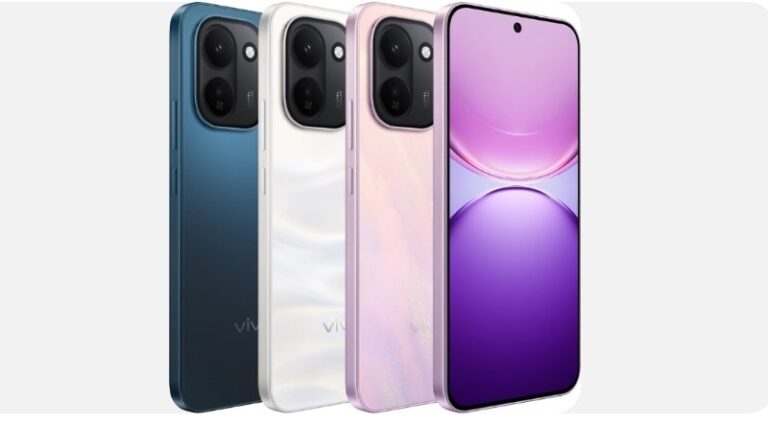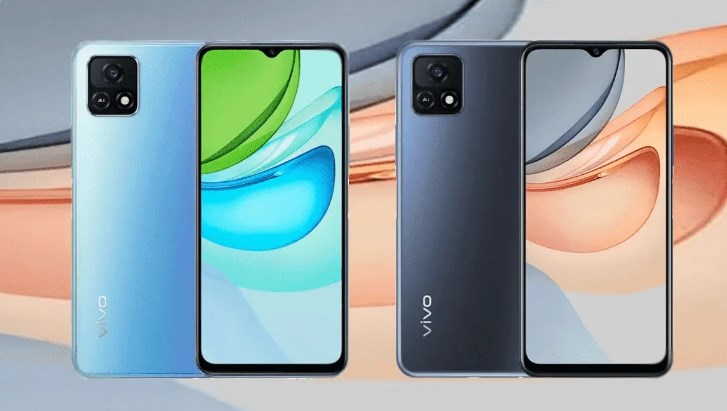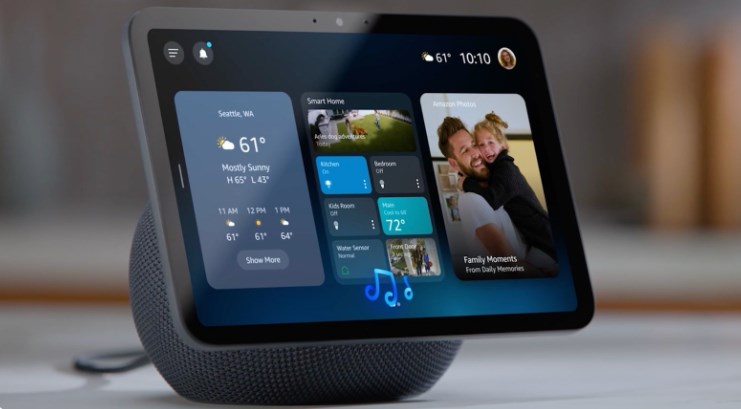
The New Alexa Tablets Feel Like a Blueprint for an Amazon Phone – Amazon has never been shy about experimenting with hardware. From Kindle readers and Echo speakers to Fire tablets and smart home devices, the company has spent years trying to build products that keep people inside its ecosystem. Now, its newest Alexa-powered tablets are making that strategy feel more interesting than ever. While these devices are officially tablets, the experience they offer increasingly resembles something that could become the foundation for an Amazon smartphone. The New Alexa Tablets Feel Like a Blueprint for an Amazon Phone
That does not necessarily mean Amazon is about to announce a phone tomorrow. The company has already tried the smartphone market once with the Fire Phone, and the results were far from successful. The Fire Phone arrived with ambitious ideas but struggled to compete with the much stronger ecosystems created by Apple and Google. However, the technology landscape has changed dramatically since then. Artificial intelligence, voice assistants and connected devices have become much more important, potentially giving Amazon another reason to reconsider the smartphone business. The new Alexa tablets show how Amazon could approach that challenge differently.
Alexa Is Becoming the Center of the Device
The biggest difference between today’s Alexa-powered hardware and Amazon’s older products is the role of the assistant. Alexa is no longer simply a voice tool that answers questions, sets timers or controls smart lights. Amazon has been pushing Alexa toward becoming a more natural digital companion, capable of handling more complicated requests and connecting different parts of a user’s digital life.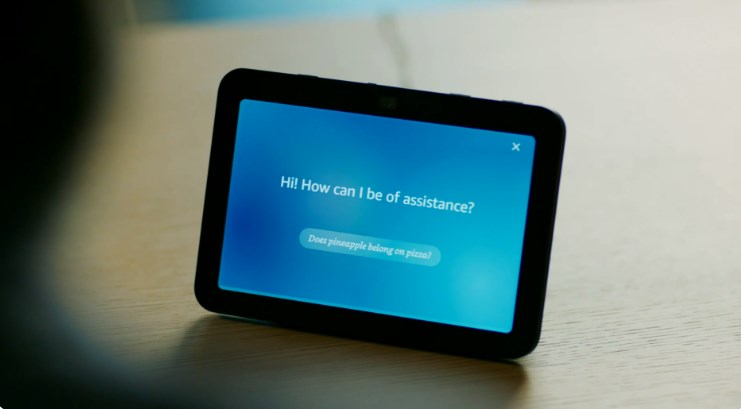
That shift is important because smartphones have increasingly become AI assistants with screens attached. People ask their phones questions, summarize messages, search for information, create content, manage schedules and control smart home products. If Alexa can perform more of these tasks naturally, Amazon could potentially build a phone around the assistant instead of treating the assistant as just another feature.
The new tablets provide an ideal testing ground for that concept. They offer larger screens than smart speakers while retaining the conversational nature of Alexa. Users can interact with the assistant through voice, touch and visual information. In many ways, this combination is similar to what a modern smartphone needs to deliver. Amazon therefore has an opportunity to learn from tablet users before taking the bigger step into smartphones.
The Tablet Could Be Amazon’s Smartphone Blueprint
A successful smartphone requires more than a screen, processor and camera. It needs a software experience that gives users a reason to choose it over an iPhone or Android device. That has always been one of the biggest challenges for Amazon.
The new Alexa tablets suggest that Amazon may be developing a more unified software philosophy. Instead of competing directly on specifications, the company can focus on making Alexa the thread that connects everything. A user could ask Alexa to play music, check the weather, control a television, manage shopping lists, communicate with family members and interact with compatible smart home devices without thinking about which individual app is being used.
Imagine putting that experience into a phone.
A smartphone could become a portable control center for the entire Amazon ecosystem. Alexa could appear on the lock screen, respond to voice commands, summarize notifications, recommend products, control smart home devices and help users navigate daily tasks. The phone would not simply be another Android alternative. It could become an Alexa-first device.
That would be a much more compelling strategy than simply launching another smartphone with Amazon branding.
Amazon Has One Major Advantage: Its Ecosystem
Amazon may not have Apple’s enormous smartphone installed base or Google’s control over Android, but it has something equally valuable: a massive ecosystem of services.
Millions of people already use Amazon for shopping, Prime Video, Prime Music, Kindle content, Ring security products, Echo speakers and other connected devices. Alexa sits at the intersection of many of those services. That gives Amazon an unusual opportunity if it ever decides to return to smartphones.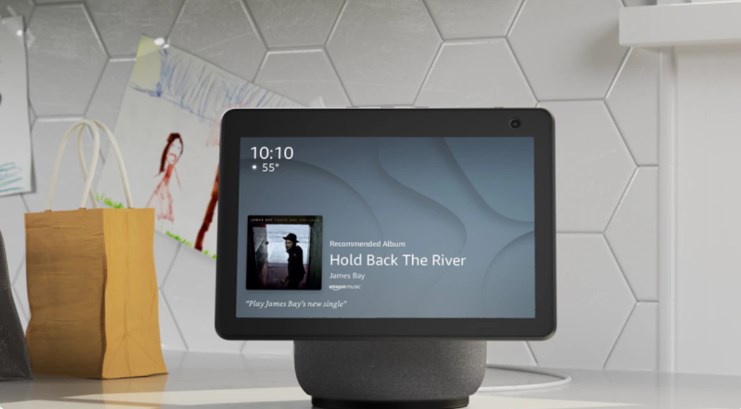
A future Amazon phone could communicate seamlessly with Echo speakers, Fire tablets, Ring cameras and other Alexa-compatible products. A notification from a Ring doorbell could appear instantly on the phone. Alexa could recognize when a user is at home and adjust connected devices automatically. Shopping lists created on a tablet could be available on the phone without additional setup. The goal would be convenience.
This is also where Amazon could differentiate itself from traditional smartphone manufacturers. Apple sells an ecosystem centered around iPhone, iPad, Mac and Apple Watch. Google connects Android phones with its search, Maps, Gmail, YouTube and other services. Amazon could build an ecosystem centered around Alexa, commerce and smart home technology. The New Alexa Tablets Feel Like a Blueprint for an Amazon Phone
The Fire Phone Failure Still Matters
Of course, Amazon cannot ignore the lessons of the Fire Phone. The Fire Phone launched in 2014 with a number of unusual ideas, including its dynamic perspective display and heavy integration with Amazon’s services. But consumers did not see enough reason to abandon established smartphones. The device also faced criticism over its price, software experience and limited ecosystem. The smartphone market has become even more competitive since then. The New Alexa Tablets Feel Like a Blueprint for an Amazon Phone
Any new Amazon phone would have to compete against premium iPhones, Samsung Galaxy devices, Google Pixel phones and a huge number of Android models from manufacturers around the world. Hardware alone would not be enough.
This is why the Alexa tablet strategy makes more sense. Amazon can build the software experience first, understand how customers interact with Alexa across screens and gradually develop the features that would eventually make sense on a phone.
The company does not have to rush.
What an Amazon Phone Could Look Like
If Amazon eventually launches another smartphone, it may look very different from the Fire Phone. Instead of trying to create flashy hardware features, Amazon could concentrate on practical technology. A future device might feature a clean Android-based interface with Alexa deeply integrated into the operating system. Rather than opening an app for every task, users could simply ask Alexa to perform actions across different services.
The camera could also become an important part of the experience. Modern AI assistants can understand images, identify objects, summarize documents and provide contextual information. Amazon could combine these capabilities with its shopping platform, allowing users to photograph products, compare prices or find similar items through Amazon.
Battery life could be another major selling point. Amazon has plenty of experience building devices designed for long periods of use, particularly with Kindle. An Alexa-focused phone would benefit from efficient hardware and software that keeps the assistant available throughout the day.
The device could also be priced aggressively. Amazon has historically used hardware to encourage customers to spend more time inside its services. A reasonably priced phone could therefore be part of a larger ecosystem strategy rather than a product designed solely for hardware profits.
The Real Opportunity Is AI
Ultimately, the most important part of the Alexa tablets may not be their physical design at all. It is the direction Amazon is taking with artificial intelligence. The smartphone industry is entering a period in which AI could change how people interact with devices. Instead of opening individual applications, users may increasingly describe what they want and let an assistant figure out how to accomplish it.
Amazon is well positioned to experiment with this model because Alexa has already been part of people’s homes for years. The tablets give Alexa something smart speakers cannot provide: a visual interface. That makes them a useful middle ground between traditional tablets and the next generation of AI-powered personal devices. If Amazon can make Alexa genuinely useful on a tablet, the same technology could eventually be adapted to a smaller screen that people carry everywhere.
A Phone May Not Be Coming Yet, But the Pieces Are There
There is still no guarantee that Amazon will launch a new smartphone. The company could decide that tablets, Echo devices and smart home products offer a better business opportunity. The lessons from the Fire Phone remain significant, and the smartphone market is notoriously difficult to enter. But the new Alexa tablets make the idea much easier to imagine.
Amazon now has the hardware experience, a large customer ecosystem, a recognizable voice assistant and an increasingly AI-focused strategy. What it needs is a compelling reason for people to put an Amazon device in their pockets every day. That reason could be Alexa.
The most interesting thing about the new tablets is therefore not that they are better tablets. It is that they demonstrate how Amazon could build a different kind of mobile experience. If Alexa becomes capable enough to serve as the primary interface between users and their digital lives, a smartphone could eventually become the natural next step.
Amazon has already tried to make a phone once and learned how difficult that market can be. This time, however, it could take a slower and smarter route. The Alexa tablets may be the testing ground, the software laboratory and, perhaps, the blueprint for whatever comes next. And if Amazon eventually puts that experience into a phone, it may not feel like the return of the Fire Phone at all. It could feel like the beginning of an entirely different Amazon mobile strategy.
About the Author