Trump rejects Iranian ceasefire proposal to reopen Strait of Hormuz – The latest attempt to ease the conflict between the United States and Iran has hit another major obstacle after President Donald Trump rejected an Iranian proposal aimed at reopening the Strait of Hormuz and restarting broader peace negotiations. Tehran had offered a seven-day framework that could have reopened the strategically important waterway and created space for renewed diplomatic talks, but Trump said the proposal was not acceptable.
The development comes at a particularly sensitive moment. The conflict has disrupted shipping, energy markets and regional security, while the Strait of Hormuz remains one of the world’s most important passages for oil transportation. Although Trump’s rejection appears to have closed the door on the specific proposal put forward by Iran, both sides have continued signaling that diplomacy has not completely disappeared from the picture.
Iran’s Seven-Day Proposal
Iranian Foreign Minister Abbas Araghchi presented the proposal through mediators during the United Nations General Assembly in New York. Under the plan, Tehran said the Strait of Hormuz could be reopened within seven days if certain conditions were met. Iran also proposed restarting negotiations with Washington over a broader settlement, potentially including discussions surrounding its nuclear program.
The proposal was not simply a declaration that Iran would reopen the waterway without conditions. Tehran wanted the United States to take several steps first, including lifting its naval blockade of Iranian ports, easing restrictions on Iranian oil sales and observing a ceasefire extending across the region. Iranian officials described the arrangement as a pathway toward wider negotiations rather than a final peace agreement.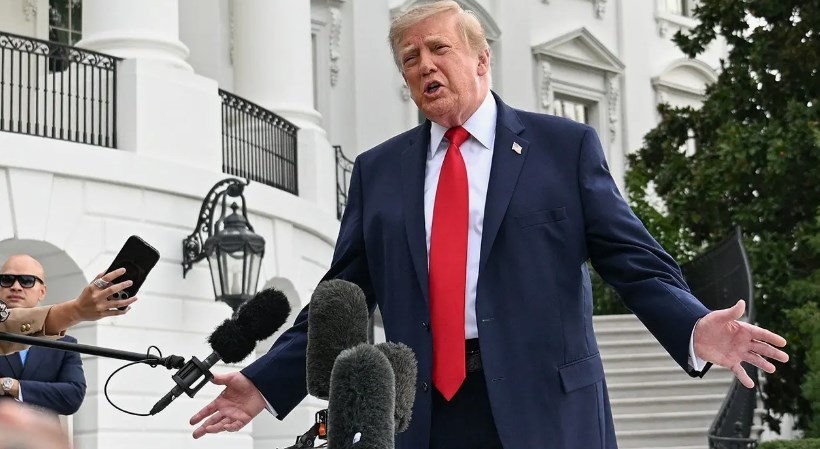
For Iran, the Strait of Hormuz has become central to the conflict. The waterway is a crucial route for international energy shipments, and disruptions have affected global markets. Tehran’s willingness to discuss reopening it demonstrates how closely the maritime crisis has become connected to the broader diplomatic struggle between Washington and Tehran.
The proposal also reflected Iran’s desire to connect immediate regional de-escalation with longer-term negotiations. Rather than treating the Strait of Hormuz, the ceasefire and the nuclear issue as completely separate matters, Iranian negotiators attempted to put them into one framework. That approach, however, did not satisfy the Trump administration.
Trump Rejects the Proposal
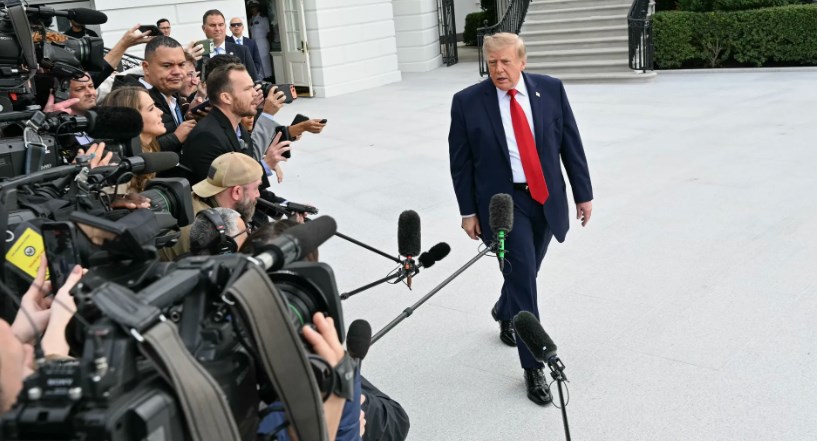
Trump publicly rejected the Iranian proposal on September 26, saying that he did not consider the terms acceptable. He argued that Iran’s push to reopen the Strait of Hormuz reflected the economic pressure it was facing. Trump said Iran wanted an immediate agreement because it was suffering financially from the conflict and restrictions affecting its oil revenues.
The president’s comments made clear that Washington is seeking a substantially broader arrangement. Trump has repeatedly emphasized the need to address Iran’s nuclear activities, while his administration has also demanded changes concerning Iran’s regional military capabilities and actions. U.S. officials have expressed skepticism that Tehran would make sufficient concessions after receiving economic relief.
U.S. Ambassador to the United Nations Mike Waltz similarly argued that Iran’s proposal effectively sought major concessions before committing to negotiations. He said the administration believed Tehran was asking for economic relief first and offering negotiations afterward. That position illustrates one of the central disagreements between the two governments: each side wants assurances and concessions from the other before making its own major commitments. Trump rejects Iranian ceasefire proposal to reopen Strait of Hormuz
Still, Trump’s rejection does not necessarily mean that communication has ended. On September 27, Trump told Axios that he expected additional talks with Iran during the following week. Regional mediators, particularly Qatar, have also continued communicating with representatives of both governments in an effort to narrow their differences.
Why the Strait of Hormuz Matters
The Strait of Hormuz is at the heart of the current dispute because of its enormous importance to global energy markets. A significant volume of oil normally passes through the narrow waterway, making any prolonged disruption capable of affecting fuel prices, shipping costs and inflation far beyond the Middle East.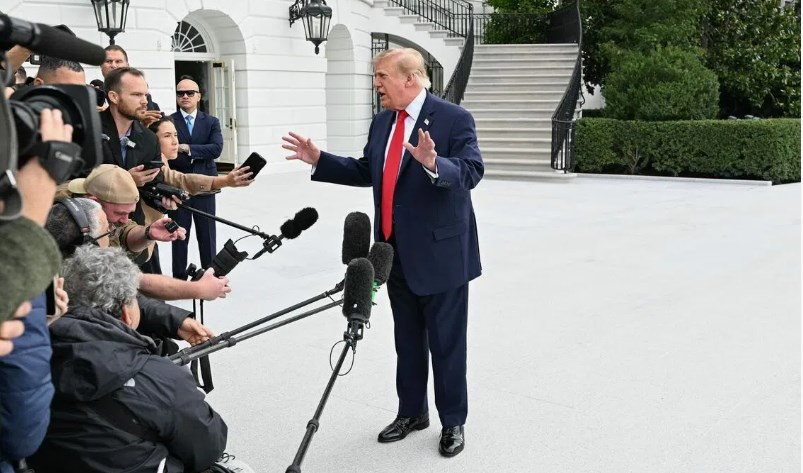
The conflict has already demonstrated how quickly uncertainty surrounding the strait can influence markets. When Iran announced its seven-day proposal, oil prices initially moved lower as traders reacted to the possibility of improved shipping conditions and reduced geopolitical risk.
The opposite dynamic has also emerged whenever negotiations appeared to fail. On September 29, Reuters reported that oil prices were rising again as concerns about Middle Eastern supply disruptions persisted. Brent crude was reported above $106 per barrel, while U.S. West Texas Intermediate crude was approaching $94 per barrel in early trading.
The importance of the waterway therefore extends beyond Washington and Tehran. Asian energy importers, European economies, Gulf producers, shipping companies and consumers around the world can all be affected by changes in the security and accessibility of the route. Any agreement that reliably restores commercial traffic could therefore have consequences well beyond the immediate battlefield.
Diplomacy Remains Open Despite the Rejection
Iran has not treated Trump’s rejection as the end of negotiations. Araghchi said Iranian officials were still waiting for an official response through mediators and indicated that Tehran remained interested in a diplomatic solution. Iranian President Masoud Pezeshkian has likewise said that Iran is prepared to negotiate but does not want negotiations conducted under what Tehran considers coercive conditions.
Meanwhile, Qatar and other regional intermediaries have continued shuttle diplomacy. According to reports, mediators have been discussing possible changes to the original proposal in an effort to find language acceptable to both sides. U.S. and Iranian representatives have also continued indirect communication rather than conducting negotiations directly in the same room.
That distinction is important because the current disagreement is not necessarily about whether either side wants an end to the conflict. The bigger problem is the terms required to get there. Iran wants the blockade and economic pressure addressed, while Washington is seeking commitments on nuclear issues and other security concerns.
The negotiations are therefore likely to remain complicated. Even if both governments agree that continued conflict carries significant economic and security costs, they have very different ideas about what must happen before a ceasefire or reopening of the Strait of Hormuz can become permanent. Trump rejects Iranian ceasefire proposal to reopen Strait of Hormuz
What Happens Next?
The immediate question is whether mediators can transform the rejected Iranian proposal into a compromise framework. The latest reports indicate that discussions have continued despite Trump’s rejection, suggesting that the diplomatic channel remains active. AP reported on September 28 that regional and U.S. officials were still working toward an agreement involving the Strait of Hormuz, sanctions, blockades and Iran’s nuclear activities.
For the United States, a successful agreement would need to address more than maritime access. Washington has made Iran’s nuclear program a central issue, and U.S. officials have expressed concerns about whether Tehran would honor commitments after receiving economic relief.
For Iran, meanwhile, the reopening of the Strait of Hormuz is closely tied to economic survival and national sovereignty. Tehran has insisted that it will not simply surrender its negotiating position in exchange for temporary relief.
The situation therefore remains fluid. Trump’s rejection removed the immediate possibility of implementing Iran’s seven-day proposal as originally presented, but subsequent statements from both sides show that diplomacy has not disappeared. Further negotiations could produce a revised agreement, although substantial disagreements remain.
For the global economy, the outcome matters because the Strait of Hormuz is far more than a geographic chokepoint. Its stability affects energy supplies, shipping routes and prices worldwide. For the United States and Iran, however, it represents one piece of a much larger dispute involving military pressure, economic sanctions, nuclear policy and regional security.
As mediators continue their efforts, the next stage will depend on whether Washington and Tehran can move beyond the rejected proposal and find terms that address the priorities of both governments. For now, the Strait of Hormuz remains at the center of that diplomatic challenge, while markets and governments around the world continue watching for signs of whether negotiations can produce a lasting reduction in tensions. Trump rejects Iranian ceasefire proposal to reopen Strait of Hormuz
About the Author