Senate passes major overhaul of college sports rules: ‘Bringing order to chaos’ – College sports in the United States is moving toward another major turning point. On September 28, 2026, the U.S. Senate approved the Protect College Sports Act in a 77-22 vote, advancing legislation designed to create a national framework for an industry that has changed dramatically through NIL deals, revenue sharing, the transfer portal and conference realignment.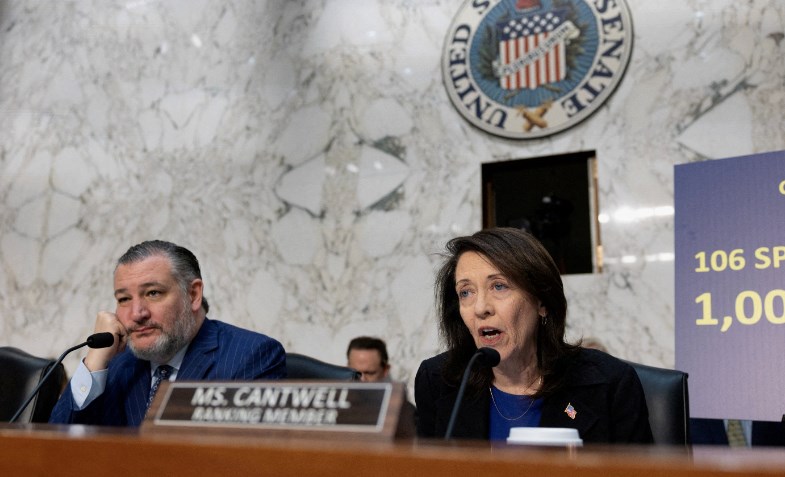 x
x
The vote represents one of the most significant federal attempts yet to reshape college athletics. For years, schools, athletes, conferences and the NCAA have operated in an environment heavily influenced by court decisions, state laws and constantly changing policies. Supporters of the legislation argue that this patchwork system has created uncertainty, while opponents say the proposed rules could place new limits on athletes without giving them enough influence over the system.
Sen. Ted Cruz, R-Texas, one of the bill’s leading architects alongside Sen. Maria Cantwell, D-Washington, described the legislation as an effort to bring “order to chaos.” His argument is that college sports needs a consistent national rulebook rather than a collection of regulations that can differ depending on the state, conference or latest court ruling.
The Senate vote, however, is only one step. The legislation still needs approval from the House of Representatives before it could reach President Donald Trump. With the House scheduled to remain recessed until after the November midterm elections, the next stage of the process could take time.
A New Era for NIL and Athlete Compensation
One of the biggest issues addressed by the Protect College Sports Act is athlete compensation. The modern college sports economy changed significantly after athletes gained broader opportunities to earn money from their name, image and likeness, commonly known as NIL.
The Senate-approved legislation would establish a federal right for student-athletes to receive NIL compensation while creating national standards governing how the system operates. Rather than eliminating NIL opportunities, the bill seeks to place them within a more structured framework. Senate passes major overhaul of college sports rules
The legislation also addresses revenue sharing between schools and athletes. Under the proposal, schools would be permitted to share substantially more revenue directly with athletes, with the total potential amount reaching roughly $43 million to $45 million. The bill also includes additional opportunities involving women’s and Olympic sports.
That distinction matters because NIL and school-funded revenue sharing are not exactly the same thing. Athletes could continue pursuing outside endorsement opportunities, while schools would operate under federally established limits and requirements. The goal, according to supporters, is to create a system in which compensation is easier to understand and enforce.
At the same time, critics have raised concerns that limiting certain forms of compensation could restrict athletes’ bargaining power. Senators including Cory Booker and Chris Murphy have argued that the legislation does not adequately address collective bargaining or the question of whether college athletes should be classified as employees.
Transfer Rules Would Change Significantly
The transfer portal has become one of the defining features of modern college athletics. Players can move between schools, coaches can rebuild rosters quickly and programs can change dramatically from one season to the next.
The Senate legislation would establish new federal standards for transfers, including limits on how frequently athletes can move without facing additional eligibility consequences. The bill also seeks to establish a more consistent eligibility framework instead of leaving schools and athletes to navigate a system that has been repeatedly shaped by litigation.
Supporters believe national transfer rules could provide greater stability for coaches, athletic departments and athletes. A consistent standard could also make roster planning easier for programs that have struggled to predict how many players will remain with a team from one season to the next.
The bill also contains provisions related to eligibility, including a five-year eligibility window and restrictions involving professional athletes returning to college competition. Agent regulations would also be established, including a proposed 5% limit on agent fees.
For athletes, however, transfer restrictions could have significant consequences. The transfer portal has given players greater freedom to change schools, particularly when playing time, coaching changes or other circumstances affect their careers. Any new federal limits would therefore change one of the most important mechanisms athletes currently have for controlling their college careers.
Conference Realignment and the Future of Smaller Sports
Another major concern behind the legislation is the changing structure of college conferences. Realignment has transformed college athletics in recent years, with major programs moving between conferences in pursuit of television revenue, competitive opportunities and financial stability. Senate passes major overhaul of college sports rules
The Senate bill attempts to place limits around future conference realignment and prevent the creation of a breakaway super league. One amendment reduced a proposed conference-transition restriction from five years to three years.
The legislation also pays attention to sports that do not generate the enormous television revenues associated with football and men’s basketball. Supporters argue that the financial pressures affecting athletic departments could eventually threaten scholarships, roster spots and opportunities in women’s and Olympic sports.
The bill therefore includes provisions intended to protect opportunities in those sports. Additional revenue-sharing funds could be directed toward women’s and Olympic programs, while other provisions seek to maintain certain roster and scholarship opportunities.
This part of the debate highlights how complicated the college sports economy has become. Football and basketball generate enormous amounts of money at the highest levels, but universities often operate dozens of other athletic programs that rely on broader athletic-department resources.
What Happens After the Senate Vote?
The Senate’s 77-22 vote gives the Protect College Sports Act considerable momentum, but it does not make the legislation law. The House must still consider and approve the measure before it can move to the president. That next step could prove difficult. Some House Republicans have already expressed concerns about issues including athlete employment status and restrictions involving international student-athletes. If the House changes the bill, the Senate would have to consider those changes before the legislation could reach the White House.
The political divide over the bill is also important. Although the Senate vote was bipartisan, the legislation has attracted criticism from labor organizations, civil rights advocates and several Democratic lawmakers. Critics argue that athletes should have a stronger role in determining the rules governing compensation and working conditions.
Supporters, meanwhile, point to the uncertainty created by years of litigation and competing rules. They argue that schools need predictable standards to manage budgets, rosters, conference membership and athlete compensation. The NCAA has welcomed the Senate’s action, with president Charlie Baker describing it as a bipartisan effort to protect the future of college sports while acknowledging that additional work remains before the proposed framework becomes federal law. Senate passes major overhaul of college sports rules
A Potential Turning Point for College Athletics
The Senate’s passage of the Protect College Sports Act does not immediately change the rules athletes follow today. Its significance is that Congress is attempting to establish a federal framework for an industry that has evolved faster than its traditional governing structure. The legislation addresses many of the biggest issues facing college sports: NIL compensation, school-to-athlete revenue sharing, transfers, eligibility, conference realignment, agent fees, medical coverage and protections for non-revenue sports. That makes it far broader than a simple transfer or NIL bill.
Whether the proposed framework ultimately becomes law will depend on what happens in the House and whether lawmakers can resolve the remaining disagreements. If Congress eventually completes the process, college athletics could enter a substantially different regulatory era.
For athletes, schools and fans, the most important question is not simply whether there will be new rules. It is how those rules will balance financial sustainability, athlete opportunities, competitive fairness and the traditional structure of college sports. The Senate has now taken a major step toward answering that question. The next chapter will be written in the House, where the debate over how college sports should operate is likely to become even more intense. Senate passes major overhaul of college sports rules
About the Author