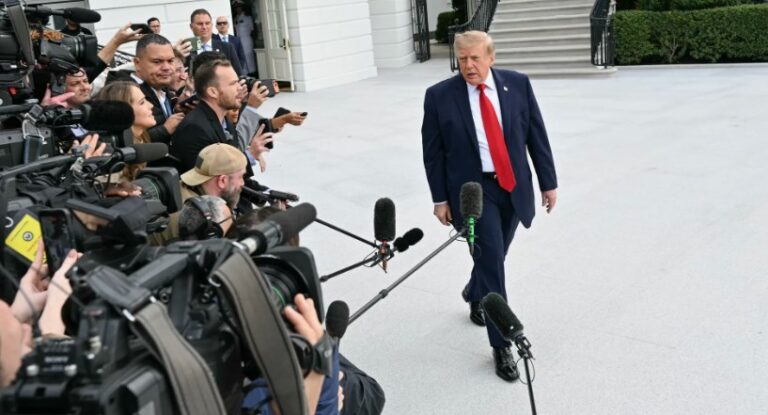
Trump’s ads funded by taxpayers spark backlash – A new fight over political advertising is unfolding in Washington after television commercials featuring President Donald Trump began appearing with an unusual disclaimer: “Paid for by the U.S. Government.” What might normally look like a campaign advertisement is instead being financed with public money, and that distinction has quickly become the center of a growing controversy.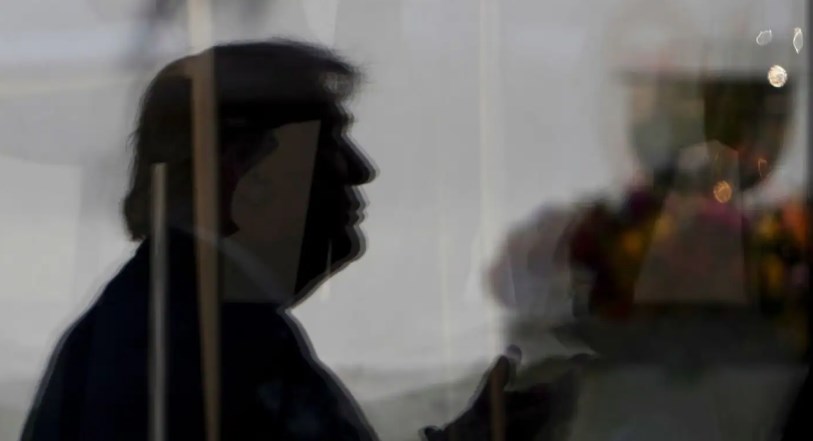
The Trump administration says the commercials are public service announcements designed to promote patriotism and communicate the administration’s message to Americans. Critics, however, argue that the ads look and sound remarkably similar to campaign material, particularly because they highlight Trump personally, promote his political themes and are airing only weeks before the 2026 midterm elections.
The dispute is not simply about how much money is being spent. It is also about the line between government communication and political promotion. Federal agencies routinely use taxpayer money to inform Americans about programs, laws, health initiatives and other government services. The controversy arises because these new commercials appear to focus heavily on Trump himself and his political rhetoric rather than providing straightforward information about a government service. Trump’s ads funded by taxpayers spark backlash
A Government Ad That Looks Like a Campaign Commercial
The first advertisement to attract widespread attention was a roughly 30-second spot featuring Trump discussing his administration and warning that the United States would never become a communist country. The commercial also highlighted phrases associated with Trump’s political messaging, including claims about tax cuts, manufacturing and law enforcement.
The advertisement aired on Fox News and Newsmax and carried the disclosure that it was paid for by the U.S. government. AdImpact initially estimated that approximately $14,000 had been spent on the first spot, although spending subsequently expanded considerably as additional advertisements appeared.
The administration defended the campaign by arguing that the commercials are not election advertisements. White House officials have pointed out that Trump himself is not on the ballot in the November midterms and that the advertisements do not explicitly tell viewers to vote for him or another candidate.
The White House has also compared the effort with public service advertising under previous administrations. Officials have cited examples from both Republican and Democratic presidents in which taxpayer money was used to communicate information about government policies or programs. Their argument is that presidents have historically used television advertising to explain their administrations’ work to the public.
That comparison has not settled the issue, largely because critics say the content of these particular commercials is different.
Why Taxpayer Funding Has Become the Central Issue
Government advertising is not unusual. Federal agencies spend public money communicating with citizens about everything from Medicare and public health to emergency preparedness. The question raised by the Trump commercials is whether government resources can be used for messaging that is sufficiently partisan or promotional.
Federal appropriations laws have for decades restricted the use of government funds for unauthorized “publicity or propaganda.” The Government Accountability Office has interpreted those restrictions as applying to communications that are purely partisan or designed to assist a political party or candidate, while allowing government agencies to explain and defend their policies.
That distinction creates a difficult question for the Trump advertisements.
The commercials do not simply explain how Americans can access a government service. Instead, they prominently feature the president and emphasize political themes that have been central to Trump’s campaigns. One later advertisement, titled “Final Battle,” reused imagery and rhetoric from Trump’s previous campaign messaging, including references to the “deep state,” globalists and political enemies.
The similarity to previous campaign material has intensified scrutiny. According to reporting by The Washington Post, the latest commercial was virtually identical to a 2024 Trump campaign advertisement, except that the newer version carried the “Paid for by the U.S. Government” disclosure. Trump’s ads funded by taxpayers spark backlash
Bipartisan Criticism Raises the Stakes
The backlash has not been limited to Democrats.
Several Republican lawmakers have also questioned whether taxpayer money should be used for advertisements that appear to promote Trump personally. Reuters reported that lawmakers from both parties have raised concerns about the advertisements and their potential relationship to federal restrictions on government-funded political activity.
That bipartisan criticism is significant because it shifts the argument away from a simple partisan dispute. The underlying question is whether public resources should be used for messaging that resembles campaign advertising regardless of which political party controls the White House.
Republican Sen. Thom Tillis, for example, criticized the first advertisement as inappropriate, while Senate Majority Leader John Thune has also expressed concerns about the use of taxpayer money for the spots. Democratic lawmakers have been even more direct, demanding that the advertisements be removed and questioning whether federal law has been violated.
Consumer and government watchdog groups have also raised objections. Public Citizen filed complaints concerning the advertisements, arguing that the use of government resources for partisan political messaging violates federal restrictions. Those complaints are now part of the broader debate over whether the ads cross a legal line.
The Spending Has Expanded Quickly
What began as a relatively small television buy has grown into a much larger advertising campaign. By September 28, AdImpact estimated that the federal government had spent at least $1.7 million on three different television advertisements featuring Trump. The commercials have appeared on major networks and during highly watched programming, including NFL and college football broadcasts. 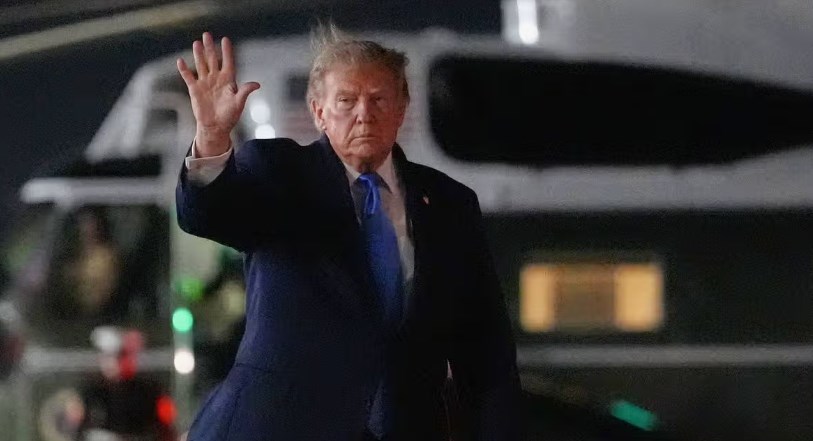
That scale has naturally increased public scrutiny. A government advertisement costing several thousand dollars might receive limited attention. A campaign involving more than a million dollars in taxpayer-funded television placements becomes a much broader question about government priorities and public accountability.
The timing has also attracted attention. The 2026 midterm elections are scheduled for November 3, placing the advertisements only weeks before voters head to the polls. Although Trump is not personally running for another office this year, his political influence remains closely connected to Republican candidates and the broader national campaign.
The administration maintains that the advertisements are not campaign commercials because they do not explicitly ask voters to support Trump or a particular candidate. Critics counter that political communication does not necessarily need to contain a direct “vote for” message to influence public perceptions. Trump’s ads funded by taxpayers spark backlash
A Larger Debate About the Presidency and Public Communication
At its core, the controversy raises a broader question about how presidents communicate with the public. Modern presidents regularly use television, social media and government websites to promote their policies. Supporters of the Trump administration’s approach can argue that citizens deserve to hear directly from the president about his priorities and accomplishments, and that government-funded communication can be appropriate when it concerns public policy.
Critics see a different problem. They argue that taxpayers should not be required to finance publicity that makes the president look like a political candidate, particularly when the advertisements borrow imagery, language and themes from campaign material.
The disagreement may ultimately depend on how government agencies, oversight bodies and courts interpret the relevant laws and appropriations restrictions. The precise federal agency responsible for funding the commercials has also drawn questions, with the White House not initially identifying the source of the money.
For viewers, the unusual disclaimer at the end of the commercials has become the most visible part of the story. “Paid for by the U.S. Government” is normally associated with public communication, but in this case it has become the starting point for an argument about where government information ends and political promotion begins.
As the midterm elections approach, that debate is unlikely to disappear. The advertisements have already generated criticism from lawmakers across party lines, watchdog organizations and legal experts. Whether they ultimately violate federal law remains a matter for the appropriate oversight and legal processes to determine.
What is clear is that the commercials have forced an unusually visible conversation about taxpayer money, presidential messaging and the responsibilities that come with controlling the machinery of the federal government. For Americans watching television in the weeks before the election, the message at the bottom of the screen may be just as important as the message delivered by the president himself. Trump’s ads funded by taxpayers spark backlash
About the Author