
The cost of the Pixel 11 has increased, but Google could have found a solution to stop the bleeding. – The cost of the Pixel 11 has increased, but Google could have found a solution to stop the bleeding. – Google just increased the cost of the Pixel 11 series as a whole. The increases weren’t shocking at all, especially in light of the ongoing RAMmageddon and growing component costs. However, a recent revelation suggests that a solution to all of this may be on the horizon.
Nikkei Asia claims that starting in 2027, Google intends to relocate production of Pixel products from China to Vietnam and India. As Google seeks to lessen its reliance on Chinese manufacturing, the alleged plan includes Pixel phones, watches, and wireless earbuds. As usual, there is no assurance that Google will pass on any savings to customers. However, lowering its commitment to China during a period of unstable trade policy and skyrocketing component costs would provide the business greater options when it comes to setting future Pixel prices.
Has Google begun to take its departure from China seriously?
Although Reuters revealed in January that Google was shifting the development and production of its high-end Pixel phones to Vietnam in 2026, the company already has Pixel manufacturing facilities in India. The Pixel, Pixel Pro, and Pixel Fold families were reportedly included in this shift, but the less expensive A-series was still being developed in China at the time.
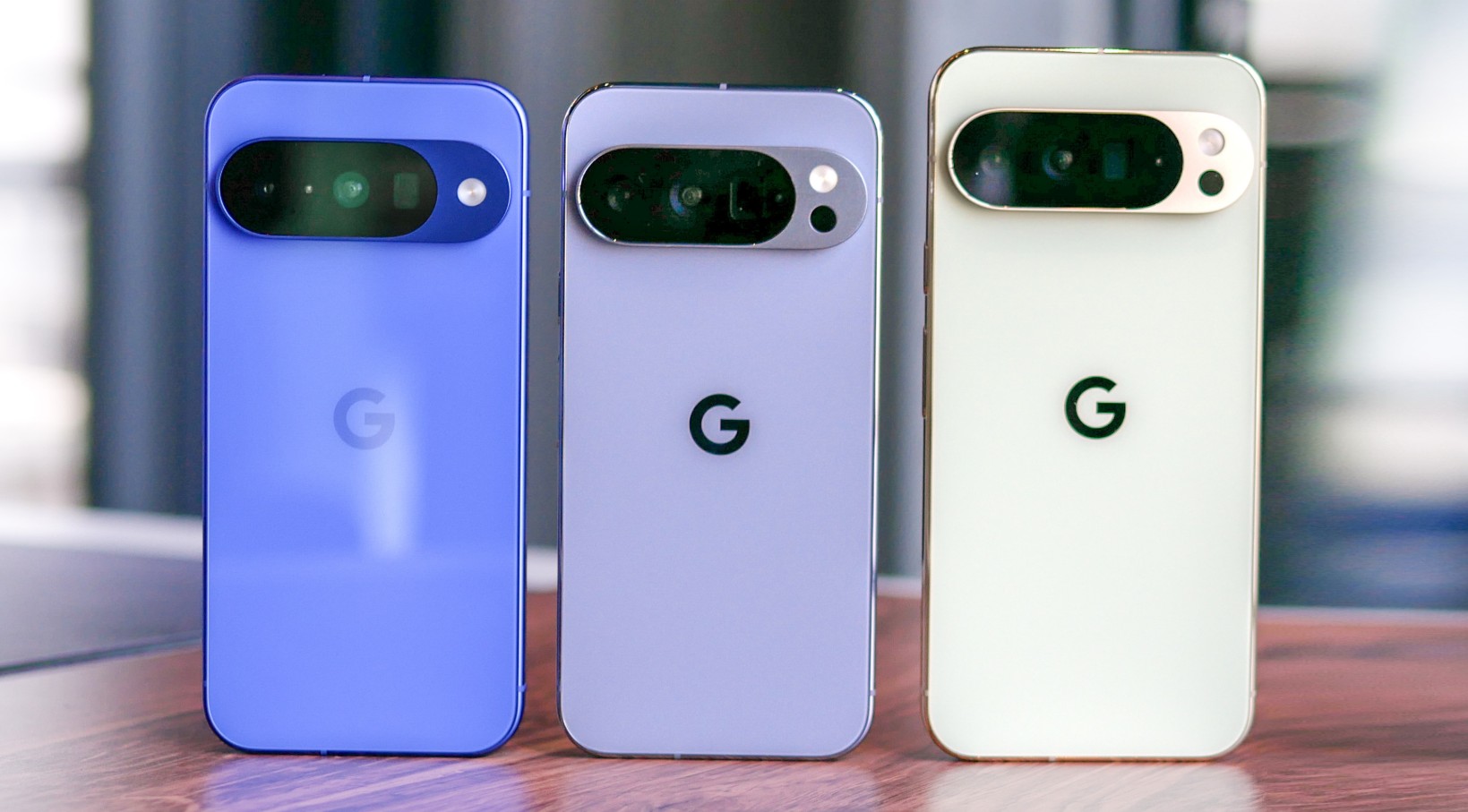
According to the more recent Nikkei story, Google has informed suppliers that all Pixel manufacture will cease in China in 2027, citing Vietnam’s successful development and production of high-end Pixels as a source of trust. With Google and its manufacturing partners seeking to increase Pixel production in the area, India is also becoming more and more significant.
Right now, a less expensive Pixel would be very appreciated.
The starting price of Google’s new Pixel 11 is $899, $100 more than the $799 debut price of the Pixel 10. In order to lessen the shock, Google doubled the standard storage from 128GB to 256GB. Meanwhile, the industry’s smartphone pricing have been under pressure due to rising memory costs.
Therefore, merely shifting manufacturing won’t make such pressures go away. PhoneArena correctly notes that steady prices might be a more practical result than a complete drop, since building and certifying new manufacturing lines comes with costs of its own. The tariff situation is another factor to take into account.
After witnessing the Pixel’s starting price increase from $799 to $899 this generation, I would be really pleased if Google’s massive production reorganization succeeded in maintaining a steady price. Just prevent the Pixel 12 from going up to $999.
About the Author