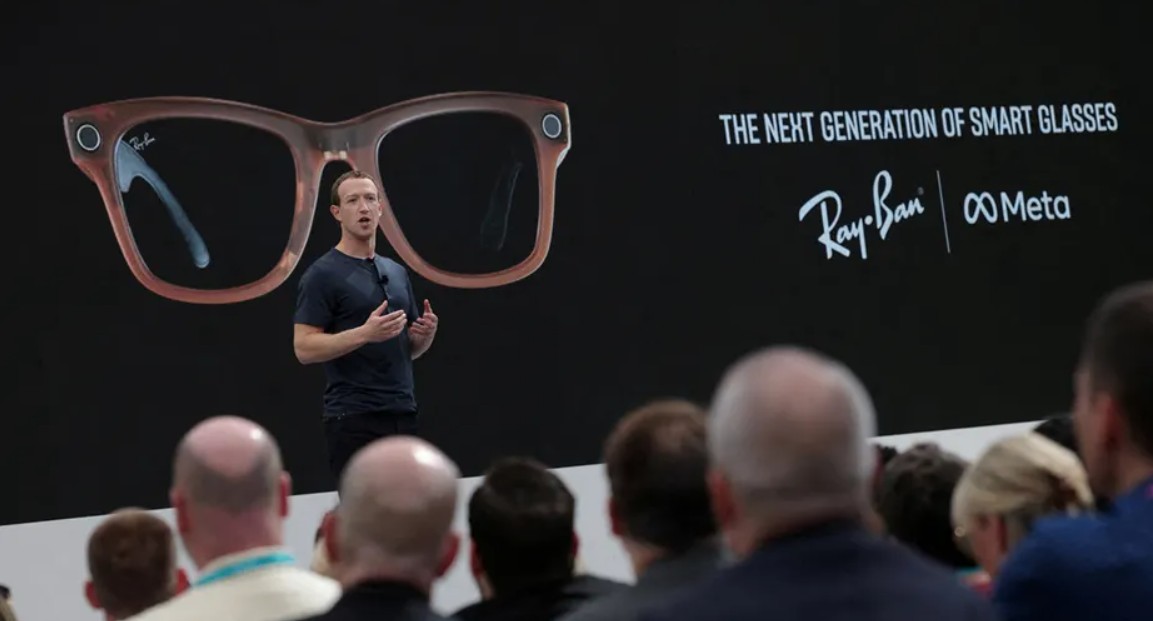
One of the most contentious federal agencies is prohibiting employees from donning Meta smart glasses. – According to The New York Times, Immigration and Customs Enforcement has prohibited employees from donning Meta smart glasses in government workplaces due to worries that they can record private information and compromise legal or privacy safeguards. The regulation is applicable to all ICE employees, not only field agents.
Personally owned smart glasses are being treated by ICE in the same way as unapproved body cams. This aligns with its current policy that prohibits employees from making recordings while carrying out official tasks.
This timing seems a little weird. Funding for an operable smart-glasses prototype intended to facilitate biometric identification during immigration enforcement is included in the Department of Homeland Security’s (DHS) fiscal 2027 budget. The glasses are a component of a larger $7.5 million request for new analytics and technology capabilities to support U.S. Customs and Border Protection (CBP) and ICE.
Why ICE wants them to quit
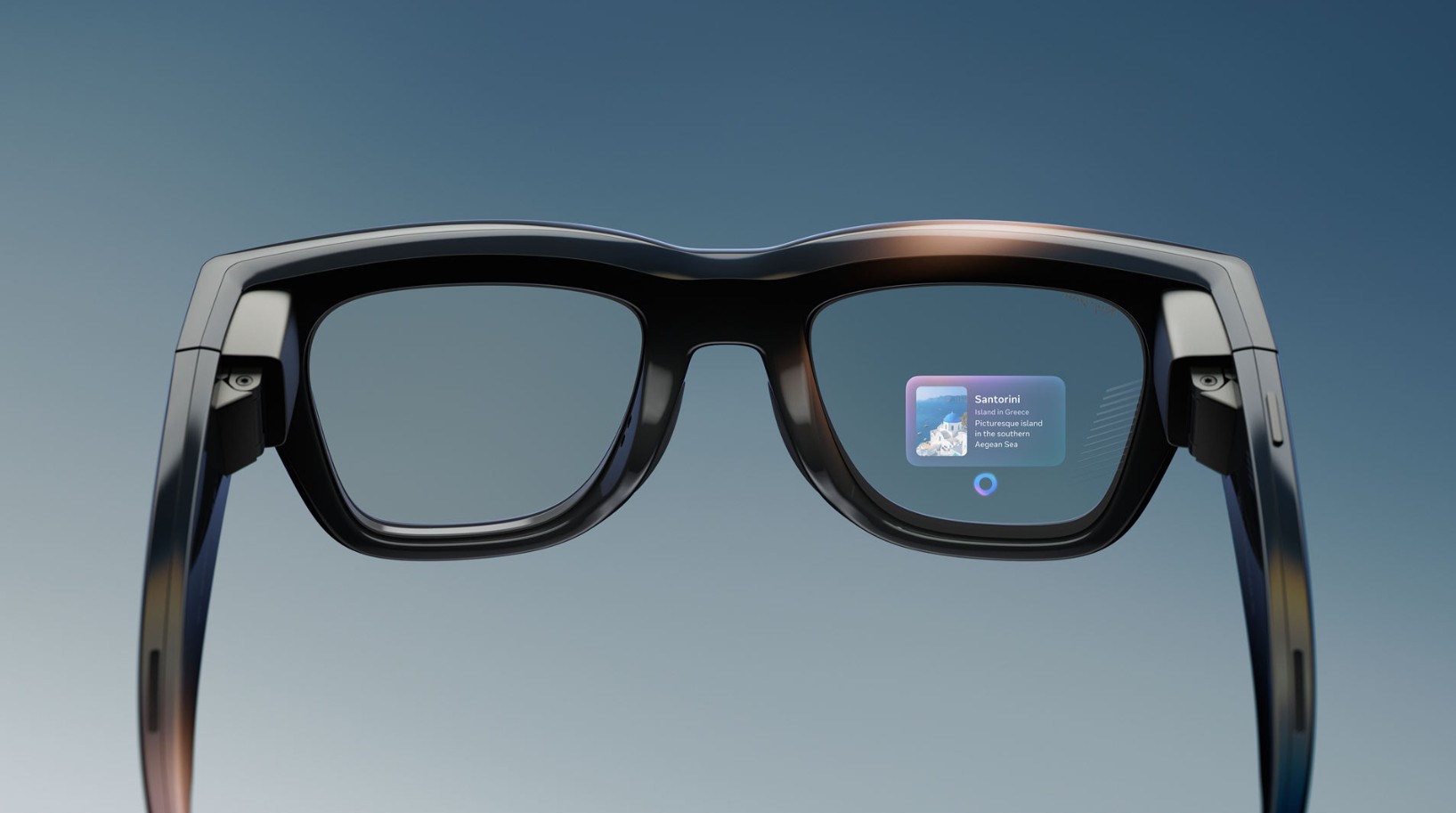
With a camera integrated into the frame, Meta’s glasses can record both audio and video. When recording is active, a white light blinks. Meta AI is also included in more recent versions, and some models include a little display that the wearer can see.
In a workplace where sensitive information is handled, such combination is challenging. The glasses may inadvertently record or transmit content that employees are not permitted to record, according to ICE.
As privacy worries about smart glasses increase, other organizations have already come to similar conclusions. Due to worries about secret recording, New York outlawed Meta smart glasses in state court facilities. Some private companies have also outlawed them.
Why smart glasses are still desired by DHS
A version under its control is of interest to DHS. Prototypes of smart eyewear that will provide immigration enforcement officers with real-time information and biometric identification capabilities in the field are part of its fiscal 2027 budget.
From a policy perspective, the contrast is very obvious. While DHS is investigating technology designed expressly for enforcement, ICE is prohibiting personally owned consumer electronics that can record while on the job.
That still presents an uncomfortable issue for Meta and other manufacturers of smart glasses. It gets more difficult for other people to treat these things like regular glasses the closer they get to regular eyewear.
What this indicates regarding smart glasses
Regardless of whether someone truly plans to utilize the camera, Meta’s glasses are now prohibited in government facilities for ICE workers.
As cameras are incorporated into things that resemble regular glasses more and more, that line may become more crucial. When something that was marketed as common consumer technology enters a courtroom, office, or other sensitive area, it can become restricted recording equipment.
That line has now been firmly defined by ICE. If other workplaces choose to draw it in the same location, Meta might have a far greater issue.
About the Author