Netherlands faces threat of electricity shortage by 2030
Netherlands faces threat of electricity shortage by 2030 – The Netherlands, long recognized as one of Europe’s most advanced and innovative economies, is facing a challenge that could significantly impact its future growth: the risk of electricity shortages by 2030. As the country accelerates its transition toward renewable energy, electrifies transportation and industry, and phases out fossil fuels, concerns are mounting that the power grid may struggle to keep up with rapidly rising demand.
Experts, policymakers, and energy companies are increasingly warning that unless substantial investments are made in energy infrastructure, the Dutch electricity system could face serious bottlenecks within the next decade. While the country’s ambitious climate goals have earned international praise, the race to build a sustainable energy future is proving far more complicated than simply adding more wind turbines and solar panels.
A Nation in the Middle of an Energy Transformation
Like many European countries, the Netherlands has committed itself to reducing carbon emissions and achieving climate neutrality. The government has promoted electric vehicles, encouraged industries to replace gas-powered equipment with electric alternatives, and invested heavily in renewable energy projects.
Massive offshore wind farms in the North Sea have become symbols of the country’s green ambitions. Solar panels now cover rooftops across cities and rural areas alike. At the same time, traditional natural gas production—once a cornerstone of Dutch energy security—has been dramatically reduced, particularly after concerns about earthquakes linked to gas extraction in the Groningen region.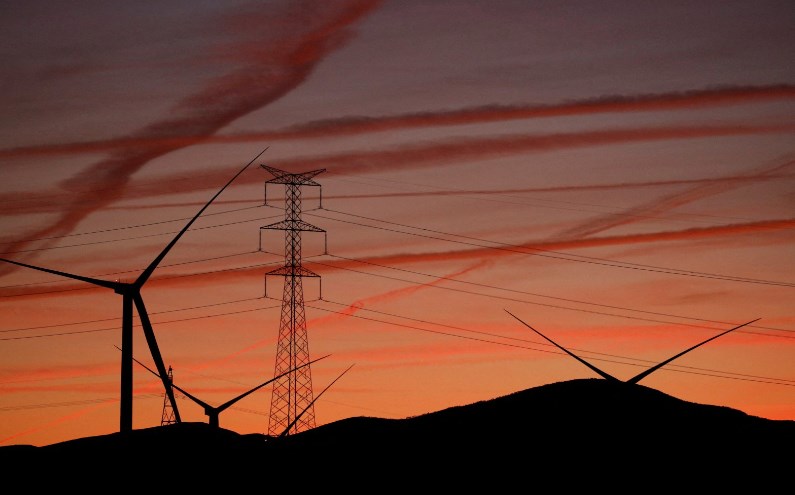
These efforts are helping reduce dependence on fossil fuels, but they are also creating an unprecedented surge in electricity demand. Factories, transportation networks, residential heating systems, and data centers are all expected to consume far more electricity in the coming years. According to energy analysts, demand could grow at a pace that outstrips the ability of the existing grid to deliver power where it is needed.
The Grid Is Reaching Its Limits
One of the biggest challenges facing the Netherlands is not necessarily producing electricity but transporting it. In many regions, electricity networks are already operating near maximum capacity. Businesses seeking new grid connections have reported delays, while some industrial projects have been forced to wait months—or even years—for access to sufficient power. This phenomenon, known as grid congestion, has become increasingly common throughout the country.
As renewable energy generation expands, large volumes of electricity must be transported from offshore wind farms and solar installations to homes, offices, and factories. The existing infrastructure was not designed for such rapid changes in energy flows. Historically, electricity moved from a limited number of centralized power plants to consumers. Today, power is generated from thousands of decentralized sources, creating new challenges for network operators. Without major upgrades, experts fear congestion could worsen, leading to situations where electricity is available but cannot be delivered efficiently to customers.
Economic Consequences Could Be Significant
The prospect of electricity shortages is not merely an energy issue—it is also an economic one. The Netherlands hosts a wide range of industries that rely on stable and affordable electricity supplies. Manufacturing plants, logistics hubs, technology companies, and chemical producers all depend on reliable power to maintain operations. If businesses cannot secure sufficient electricity connections, investment decisions could be affected.
Some companies may postpone expansion plans, relocate projects to countries with stronger grid capacity, or delay adoption of cleaner technologies. Such outcomes could undermine both economic competitiveness and climate objectives. Data centers represent another growing concern. The Netherlands has become an important European digital hub, attracting major technology firms thanks to its strategic location and advanced infrastructure. However, data centers consume enormous amounts of electricity.
As artificial intelligence, cloud computing, and digital services continue expanding, energy demand from these facilities is expected to increase dramatically. A constrained power system could limit future growth opportunities in these sectors.
Renewable Energy Alone Is Not Enough
Many people assume that building additional renewable energy projects will automatically solve electricity supply challenges. However, the reality is more complex. Wind and solar power are inherently variable. Electricity generation depends on weather conditions, meaning production can fluctuate significantly throughout the day and across seasons. On windy, sunny days, renewable output may exceed demand. During periods of calm weather or low sunlight, generation can fall sharply.
This variability requires backup systems, energy storage solutions, and more flexible grid management. The Netherlands is investing in battery technology and exploring hydrogen as a potential energy storage medium. Hydrogen produced using renewable electricity could help store excess power and provide energy during periods of high demand. However, these technologies are still developing and may not be deployed at sufficient scale before 2030. As a result, energy planners face the difficult task of balancing immediate electricity needs with long-term sustainability goals. Netherlands faces threat of electricity shortage by 2030
Population Growth and Electrification Add Pressure
Several additional factors are contributing to rising electricity demand. The Dutch population continues to grow, increasing the need for residential energy consumption. At the same time, more households are replacing gas heating systems with electric heat pumps. Electric vehicle adoption is also accelerating.
As governments encourage consumers to switch from gasoline and diesel vehicles, charging infrastructure requirements are expanding rapidly. Millions of electric cars plugging into the grid will create substantial new electricity demand.
Industrial electrification represents perhaps the largest challenge. Many heavy industries are being encouraged to replace fossil-fuel-based processes with electric alternatives to reduce emissions. While environmentally beneficial, this shift dramatically increases power requirements. The combination of these trends means that electricity demand could rise far faster than historical patterns would suggest.
Government and Energy Companies Respond
Recognizing the seriousness of the situation, Dutch authorities and energy companies have begun taking action. Grid operators are investing billions of euros to expand transmission and distribution networks. New substations, transmission lines, and connection points are being planned across the country. Offshore energy infrastructure is also being expanded to accommodate growing wind power generation.
The government is working with businesses to encourage more flexible electricity usage, particularly during peak demand periods. Smart-grid technologies, dynamic pricing systems, and demand-response programs are expected to play increasingly important roles. These measures can help reduce pressure on the grid by shifting energy consumption to times when electricity is more readily available.
Nevertheless, many experts argue that infrastructure projects take years to complete. Planning approvals, environmental assessments, labor shortages, and supply-chain constraints can all delay construction timelines. This means that decisions made today will determine whether the Netherlands can avoid serious electricity constraints later in the decade. Netherlands faces threat of electricity shortage by 2030
Balancing Climate Goals and Energy Security
The Dutch energy challenge reflects a broader dilemma facing many countries around the world. Governments are under pressure to reduce carbon emissions quickly while simultaneously maintaining reliable and affordable energy supplies. The transition to a cleaner energy system is essential for addressing climate change, but it requires enormous investments in infrastructure.
For the Netherlands, success will depend on more than simply generating renewable electricity. The country must also modernize its grid, develop energy storage solutions, improve efficiency, and create a system capable of handling future demand. The coming years will be critical.
If investments proceed quickly and effectively, the Netherlands could emerge as a model for sustainable energy transformation. If not, electricity shortages and grid congestion could become significant obstacles to economic growth and climate progress.
As 2030 approaches, the challenge is clear: ensuring that the power needed for a greener future is available when and where it is required. The Netherlands has already demonstrated leadership in innovation and sustainability. Now it faces the equally important task of ensuring that its energy infrastructure can support the ambitions of the future. Netherlands faces threat of electricity shortage by 2030
About the Author