Ebola nearly 500 cases confirmed – Health officials are raising alarms after reports confirmed nearly 500 cases of Ebola virus disease in an ongoing outbreak that continues to spread across affected regions. While Ebola is not a new name in global health emergencies, the latest surge is reminding the world just how quickly the virus can re-emerge and challenge even strengthened health systems. Behind the numbers are real communities facing fear, disruption, and uncertainty as authorities race to contain the spread.
Ebola, officially known as Ebola virus disease, is a severe and often fatal illness in humans. It first appeared in 1976 in simultaneous outbreaks in what are now South Sudan and the Democratic Republic of the Congo. Since then, sporadic outbreaks have occurred, primarily in parts of Central and West Africa. The virus is transmitted to people from wild animals and spreads through human-to-human transmission via direct contact with bodily fluids of infected individuals or contaminated materials.
In the current situation, health agencies report that cumulative cases have now approached the 500 mark, signaling a worrying expansion of the outbreak. While exact numbers may fluctuate as investigations continue and suspected cases are tested, the trend is clear: transmission is ongoing, and containment efforts are under pressure. For many communities, the outbreak does not just represent a medical crisis but a social and economic one as well. Families are often separated when suspected cases are isolated. Schools may temporarily close, markets slow down, and movement between regions becomes restricted. These necessary public health measures, while essential to stop the virus, can deeply affect daily life and livelihoods.
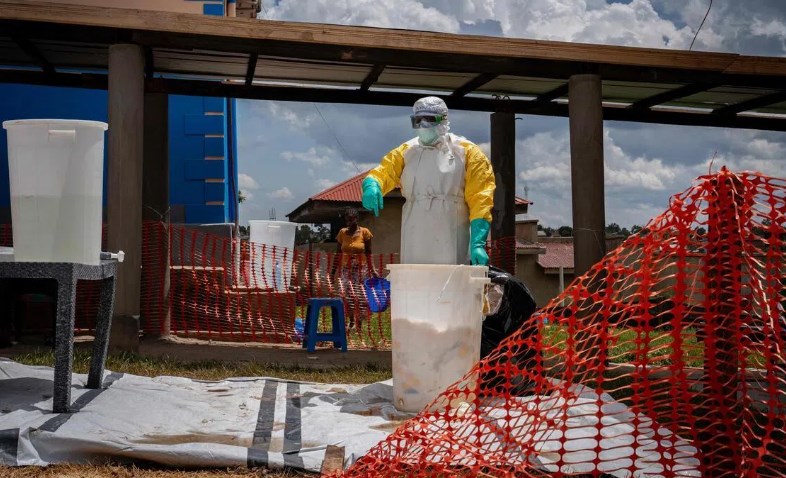
Healthcare workers are once again at the center of the response. Doctors, nurses, and volunteers are working under intense conditions to identify cases, trace contacts, and provide treatment. Ebola is particularly challenging because it requires strict infection control procedures. Protective clothing must be worn at all times when handling patients, and treatment centers must maintain high-level isolation protocols to prevent further spread.
Despite its severity, Ebola is not transmitted through air like influenza or COVID-19. Instead, it spreads through close contact, which means outbreaks can be controlled more effectively when cases are quickly identified and isolated. This is why early detection and community cooperation are critical in stopping the virus from spreading further.
One of the most difficult aspects of Ebola outbreaks is the delay in seeking treatment. In some regions, fear and misinformation can discourage individuals from visiting health facilities. Symptoms such as fever, fatigue, vomiting, and muscle pain can initially resemble more common illnesses like malaria or typhoid, leading to delayed diagnosis. By the time Ebola is suspected, the patient may already have transmitted the virus to others.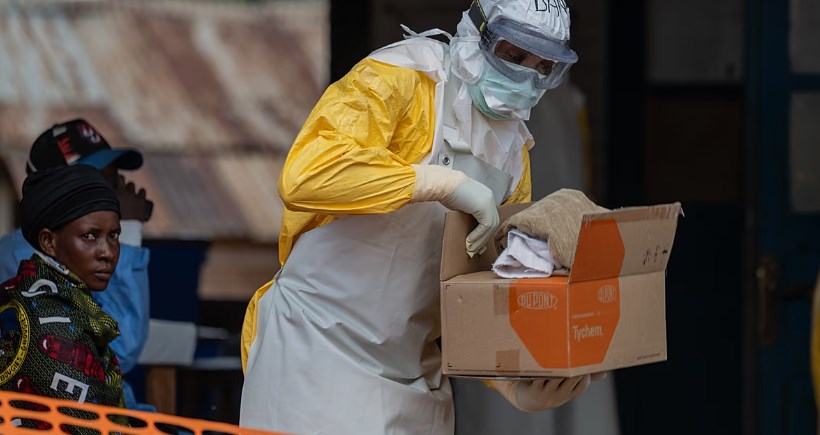
Health authorities have been emphasizing the importance of public awareness campaigns. These campaigns encourage people to report symptoms early, avoid contact with suspected cases, and follow hygiene practices such as frequent handwashing and safe burial procedures. Traditional burial practices, in particular, have been a sensitive issue in past outbreaks, as contact with the deceased can still transmit the virus. Safe and dignified burial protocols are now a standard part of Ebola response strategies.
The current outbreak has also highlighted the importance of international cooperation. Organizations such as the World Health Organization (WHO) and various regional health bodies are working alongside local governments to provide medical supplies, laboratory testing, and technical expertise. Emergency response teams are often deployed to support contact tracing and to help establish treatment centers in high-risk areas. Ebola nearly 500 cases confirmed
Vaccination has become one of the most important tools in controlling Ebola in recent years. An effective Ebola vaccine has been developed and used in several outbreaks, particularly targeting high-risk groups such as healthcare workers and people who have been in contact with confirmed cases. Ring vaccination strategies—where all contacts and contacts of contacts are vaccinated—have proven effective in limiting spread when implemented quickly.
However, logistical challenges remain. Remote areas with limited infrastructure can make it difficult to deliver vaccines and medical supplies quickly. In addition, ongoing insecurity in some regions may hinder response efforts, making coordination and access more complicated. Beyond the immediate health response, experts warn that outbreaks like this one also leave long-term impacts. Survivors of Ebola often face ongoing health complications, including fatigue, joint pain, and vision problems. There is also a psychological toll, as survivors and affected families may experience stigma or trauma long after recovery.
Economically, outbreaks can strain already fragile systems. Agriculture, trade, and local businesses often suffer when movement restrictions are imposed. This can deepen poverty and make recovery even harder once the outbreak is contained. Despite these challenges, there is cautious optimism among health professionals. Compared to earlier decades, the world is now far better equipped to respond to Ebola outbreaks. Rapid diagnostic tools, improved treatment protocols, and established vaccination programs have significantly increased survival rates in recent years. In some outbreaks, early treatment has reduced fatality rates substantially compared to historical averages.
Still, the situation remains serious. Nearly 500 confirmed cases represent not just a statistic but a warning sign that transmission chains are still active. Every new case increases the risk of further spread, especially if detection and isolation are delayed. Community engagement remains one of the strongest tools in controlling the outbreak. Health experts consistently stress that governments alone cannot stop Ebola. Local leaders, religious figures, and community health workers play a crucial role in spreading accurate information and encouraging safe practices. When communities are informed and involved, outbreaks tend to shrink faster and with fewer casualties. Ebola nearly 500 cases confirmed
As the response continues, the focus remains on breaking chains of transmission. This means identifying every case, tracing every contact, and ensuring that infected individuals receive care as quickly as possible. It also means maintaining trust between health authorities and communities, which is often one of the most fragile yet essential elements in outbreak control.
For now, the world watches closely as the situation develops. The number—nearly 500 confirmed cases—serves as a stark reminder that infectious diseases can still escalate rapidly, even in an era of advanced medicine. But it also highlights the progress made in global health, where coordinated action, scientific innovation, and community resilience offer real hope of bringing outbreaks under control.
Ebola remains one of the most dangerous viral diseases known to humanity, but it is not unbeatable. With sustained effort, transparency, and cooperation at every level, health experts believe that the current outbreak can still be contained. The next few weeks will be critical in determining whether the spread slows—or continues to grow. For affected communities, the priority is simple but urgent: awareness, protection, and timely medical care. For the rest of the world, it is a reminder that vigilance in global health is not optional, but necessary. Ebola nearly 500 cases confirmed
About the Author