Samsung announces 20% rewards campaign in Korea
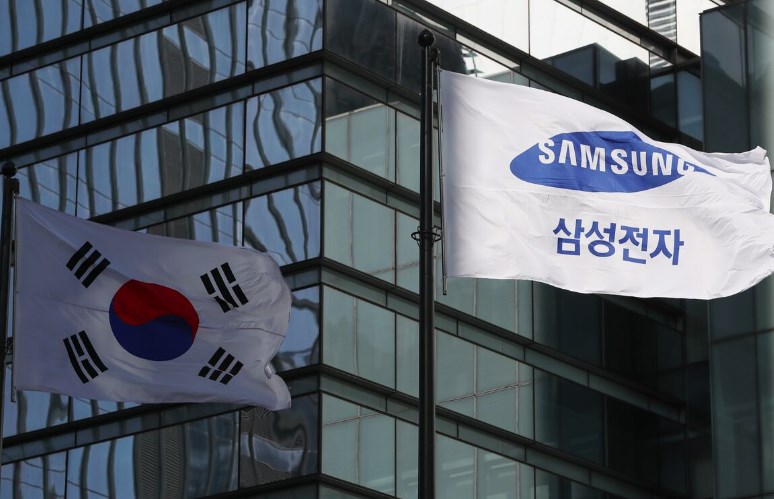
Samsung announces 20% rewards campaign in Korea – Samsung has unveiled a new consumer incentive program in South Korea offering a 20% rewards campaign across select products and services, a move that blends aggressive marketing with loyalty-building strategy at a time when competition in the global tech market remains intense. What has made the announcement especially unusual, however, is the reference tying the campaign to “the Sahara,” a symbolic framing that has sparked curiosity and confusion among consumers and analysts alike.
At its core, the initiative is straightforward: Samsung aims to increase customer engagement in its home market of South Korea by offering substantial reward returns—up to 20%—on eligible purchases through its ecosystem. But the branding, messaging, and rollout details suggest that this is not just another seasonal promotion. Instead, it appears to be part of a broader strategy to reinforce Samsung’s ecosystem loyalty while experimenting with global storytelling in its marketing campaigns.
A Strong Push in Samsung’s Home Market
The program, launched by Samsung, is centered in South Korea, where the company already enjoys deep market penetration across smartphones, home appliances, and semiconductor-driven consumer devices. According to early promotional materials, customers who purchase eligible products through official Samsung channels will receive rewards equivalent to 20% of their purchase value. These rewards can be redeemed for future purchases, accessories, or digital services within Samsung’s ecosystem.
The initiative reflects a growing trend among major tech companies: instead of relying solely on discounts, firms are increasingly using “closed-loop incentives” that encourage customers to stay within their brand ecosystem. In Samsung’s case, that means once a customer buys a Galaxy smartphone, television, or wearable device, they are more likely to reinvest their rewards back into other Samsung products.
Industry analysts note that this strategy is particularly effective in mature markets like South Korea, where smartphone penetration is already near saturation. Growth, therefore, depends less on acquiring new users and more on increasing lifetime value per customer.
The Mystery of the “Sahara” Reference
What has caught the most attention is Samsung’s unusual reference to the “Sahara” in relation to the campaign. The company has not suggested any literal connection to the Sahara Desert, one of the world’s largest and most extreme environments located in Sahara Desert.
Instead, marketing experts believe the term is being used metaphorically. In promotional language, Samsung appears to be framing the campaign as a “journey through extremes”—possibly positioning its rewards program as something that can “thrive in any environment,” even one as harsh and vast as the Sahara.
While unconventional, this type of branding is not new for global tech companies. Over the past decade, major brands have increasingly adopted abstract, globalized storytelling techniques to give otherwise standard promotions a sense of scale and imagination. In this case, the Sahara metaphor may be designed to emphasize endurance, value, and expansiveness—suggesting that the rewards system is both robust and far-reaching.
However, some marketing critics argue that the metaphor risks confusing consumers, especially in domestic markets where clarity tends to outperform conceptual branding. Early social media reactions in South Korea show a mix of intrigue and skepticism, with users questioning whether the Sahara reference has any functional meaning or is simply a creative flourish.
How the 20% Rewards System Works
While full details are still being rolled out, the structure of Samsung’s campaign appears to be relatively simple. Customers who purchase selected Samsung devices through official stores, online platforms, or partner retailers will receive a digital reward credit equivalent to 20% of the purchase value. These credits can then be used within Samsung’s ecosystem, potentially including:
- Future smartphone upgrades
- Smart home appliances
- Galaxy wearable devices
- Samsung Care services
- Digital content and subscriptions
The goal is to create a continuous consumption loop. Instead of one-time buyers, Samsung wants to cultivate long-term ecosystem users who regularly return to the brand for upgrades and expansions. This is particularly important as competition intensifies with rivals such as Apple, Xiaomi, and emerging Chinese tech brands that are aggressively targeting mid-range and premium segments.
Consumer Impact: Value or Trap?
For consumers, the campaign initially appears generous. A 20% reward return is significantly higher than typical loyalty programs in the tech sector, where 5–10% is more common. However, financial analysts caution that the real value depends heavily on how restrictive the redemption system is. If rewards can only be used within Samsung’s ecosystem and come with expiration dates or product limitations, the actual benefit may be lower than it appears.
Still, many consumers are likely to view the program positively, especially in a market where upgrade cycles are frequent and demand for premium devices remains strong. In South Korea’s highly connected digital economy, even small incentives can significantly influence purchasing behavior. The psychological effect of “earning back value” often encourages earlier upgrades or additional accessory purchases. Samsung announces 20% rewards campaign in Korea
Strategic Timing and Market Pressure
Samsung’s timing is also notable. The global smartphone market has been experiencing slower growth, with consumers holding onto devices longer due to rising prices and incremental hardware improvements. In response, manufacturers are focusing more on services, ecosystems, and loyalty programs rather than pure hardware sales. By launching this campaign, Samsung appears to be reinforcing its ecosystem dominance at home before expanding similar strategies internationally.
South Korea, as a highly competitive and tech-savvy market, often serves as a testing ground for Samsung’s experimental initiatives. If successful, the 20% rewards model could be adapted for other regions, potentially reshaping how the company structures its global retail strategy. Samsung announces 20% rewards campaign in Korea
Industry Reactions and Competitive Implications
Competitors are likely watching closely. Apple, for example, relies heavily on ecosystem lock-in through services like iCloud, Apple Music, and trade-in programs. Samsung’s approach, however, is more direct in financial incentive terms, which could appeal to price-sensitive consumers.
Analysts suggest that if Samsung’s campaign proves effective, it may trigger a broader industry shift toward high-value loyalty rewards across consumer electronics. Retailers and telecom partners may also be drawn into similar models, further blurring the line between hardware sales and subscription-style ecosystems.
Conclusion: A Campaign That Blends Logic and Symbolism
At first glance, Samsung’s 20% rewards campaign in South Korea appears to be a straightforward marketing push designed to strengthen customer loyalty. But the addition of the “Sahara” concept gives it an unusual narrative layer—one that mixes practical financial incentives with abstract global imagery. Whether consumers embrace or ignore the metaphor, the underlying strategy is clear: Samsung is doubling down on ecosystem retention at a time when hardware innovation alone is no longer enough to guarantee growth.
As the rollout continues, the real test will not be the symbolism of deserts or journeys, but whether customers find enough tangible value in the rewards system to change their buying habits. In that sense, the success of the campaign will be measured not in storytelling—but in repeat purchases, upgraded devices, and long-term loyalty. Samsung announces 20% rewards campaign in Korea
About the Author