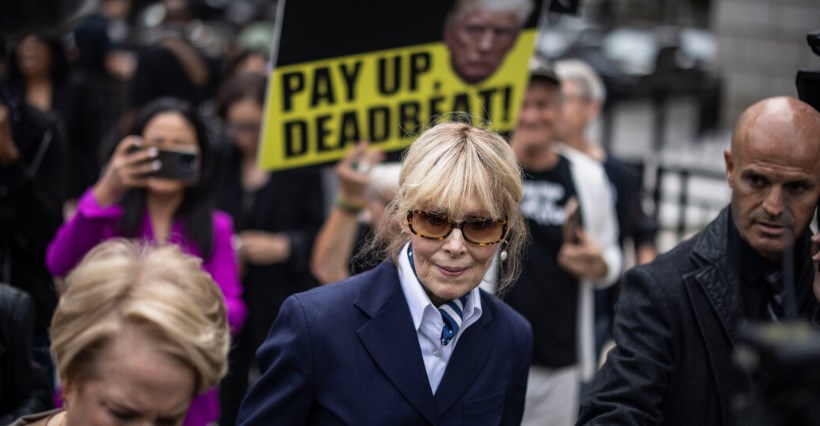
Trump to ask Supreme Court to toss $83 million award to E. Jean Carroll – Former President Donald Trump is once again taking his legal battle to the nation’s highest court, asking the U.S. Supreme Court to overturn the $83.3 million defamation judgment awarded to writer E. Jean Carroll. The latest move marks another chapter in a years-long dispute that has become one of the most closely watched legal sagas involving Trump, blending questions of presidential power, free speech, accountability, and personal reputation.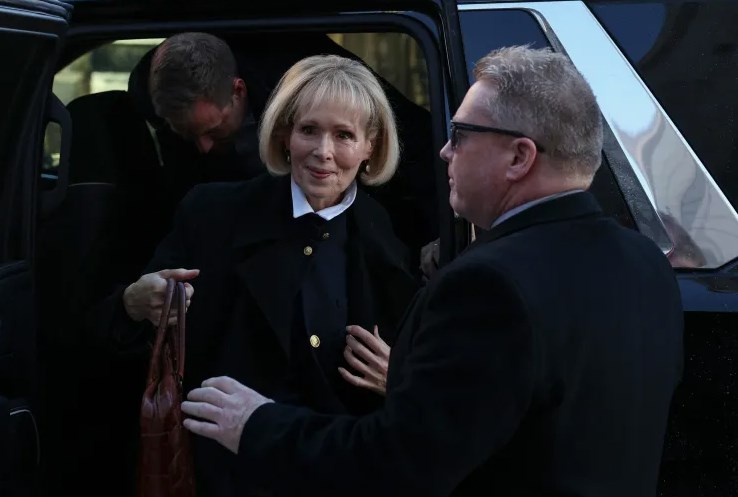
The appeal comes after a federal jury in New York determined that Trump should pay Carroll millions of dollars for defamatory statements he made about her after she publicly accused him of sexual assault. Trump’s legal team argues that the verdict is excessive, legally flawed, and raises significant constitutional concerns that warrant review by the Supreme Court.
A Legal Fight Years in the Making
The conflict between Trump and Carroll began in 2019 when Carroll publicly alleged that Trump sexually assaulted her in a department store dressing room during the mid-1990s. The accusation was first detailed in excerpts from Carroll’s memoir and quickly became a major national story.
Trump denied the allegation, insisting that he had never met Carroll in a meaningful way and claiming she fabricated the story for publicity and financial gain. His public comments prompted Carroll to file a defamation lawsuit, arguing that Trump’s statements damaged her reputation and subjected her to public ridicule and harassment.
The legal battle intensified over the following years. In 2023, a jury found Trump liable for sexually abusing Carroll and awarded her $5 million in damages. While the jury did not find Trump liable for rape under New York law’s specific definition, it concluded that he had sexually abused Carroll and subsequently defamed her. That verdict, however, did not end the dispute.
The $83 Million Judgment
A second trial focused on Trump’s continued public statements about Carroll after the initial allegations became public. Carroll’s attorneys argued that Trump repeatedly attacked her credibility, called her accusations false, and used his enormous public platform to undermine her reputation. Jurors ultimately sided with Carroll, awarding approximately $18.3 million in compensatory damages and an additional $65 million in punitive damages, bringing the total judgment to roughly $83.3 million. Trump to ask Supreme Court to toss $83 million award to E. Jean Carroll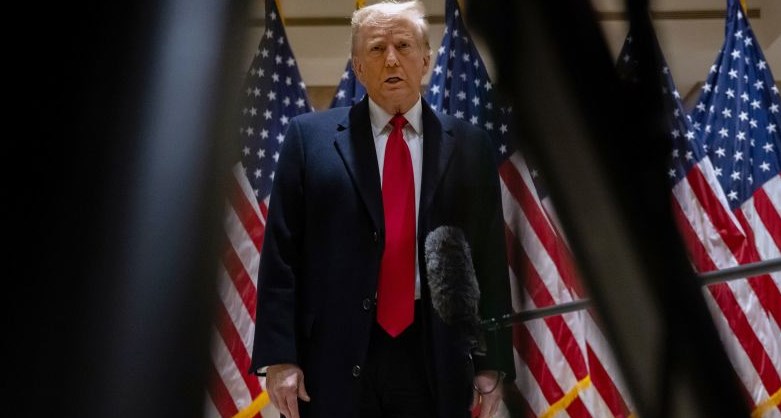
The punitive portion of the award was particularly significant. Jurors concluded that substantial financial penalties were necessary to deter Trump from continuing similar conduct in the future. Supporters of the verdict viewed it as a powerful statement that no individual, regardless of status or wealth, is above the law. Critics, meanwhile, argued that the damages were unusually large and reflected political hostility toward Trump.
Trump’s Supreme Court Argument
Trump’s lawyers are now asking the Supreme Court to review the case and potentially throw out the massive financial judgment. According to court filings, Trump’s legal team argues that the lower courts made several errors that unfairly influenced the outcome of the trial. They contend that evidence from other allegations against Trump should not have been admitted and that the jury was improperly allowed to consider information that prejudiced the former president.
The appeal also raises constitutional questions regarding the First Amendment and the limits of defamation law. Trump’s attorneys argue that public figures should have robust protections when responding to accusations made against them, especially during highly publicized political and media controversies. Another central argument concerns the size of the damages award. Trump’s legal team maintains that the $83 million judgment is excessive and disproportionate, particularly given the nature of the statements involved.
The Supreme Court receives thousands of petitions every year but agrees to hear only a small fraction of them. As a result, legal experts note that the court’s decision on whether to take the case could be almost as important as any eventual ruling. Trump to ask Supreme Court to toss $83 million award to E. Jean Carroll
Carroll’s Side Remains Confident
Carroll’s attorneys have consistently maintained that the jury’s verdict was fully justified by the evidence presented during trial. They argue that Trump’s repeated public attacks caused real harm and that the damages reflected the seriousness of that harm. Carroll’s legal team has pointed to Trump’s continued comments about her even during ongoing litigation as evidence that stronger penalties were necessary.
For Carroll, the legal victories represent more than financial compensation. Her attorneys have described the verdicts as a validation of her claims and a recognition of the consequences of defamatory statements made by powerful individuals. Carroll herself has said that the cases were about accountability and ensuring that truth prevails over intimidation.
Broader Political Implications
The appeal arrives at a time when Trump remains one of the most influential and polarizing figures in American politics. Any Supreme Court involvement would almost certainly attract enormous public attention, not only because of Trump’s political standing but also because the case touches on broader questions about presidential conduct, public speech, and legal accountability.
Legal scholars say the dispute could have implications beyond the immediate parties involved. A Supreme Court ruling addressing defamation standards, punitive damages, or evidentiary issues could influence future cases involving politicians, celebrities, media figures, and other high-profile individuals. The case also continues to fuel debate among Trump’s supporters and critics.Trump to ask Supreme Court to toss $83 million award to E. Jean Carroll
Supporters frequently argue that Trump has been subjected to politically motivated legal actions designed to damage him personally and politically. They view the Carroll verdict as another example of what they see as a biased legal system targeting the former president. Critics counter that the verdict demonstrates that powerful individuals can be held responsible when juries determine that they have harmed others through false and damaging statements.
What Happens Next?
The immediate question is whether the Supreme Court will agree to hear the case. The justices are under no obligation to review the appeal. If they decline, the lower court rulings will remain in place, leaving Trump responsible for the $83.3 million judgment unless another legal avenue becomes available. If the court accepts the case, the process could extend for many months and potentially result in oral arguments before the justices. A ruling could address not only Trump’s specific claims but also broader legal principles surrounding defamation and punitive damages.
For now, the case remains another major legal challenge for Trump, whose post-presidency years have been marked by a series of high-profile court battles. While the former president continues to fight the judgment, Carroll’s legal victories stand as some of the most significant courtroom defeats Trump has faced.
Whether the Supreme Court ultimately intervenes or allows the lower court decisions to stand, the dispute between Donald Trump and E. Jean Carroll has already become a landmark chapter in the intersection of politics, law, and public accountability. The outcome could shape legal discussions for years to come, influencing how courts balance free speech rights with protections against defamation in an era where public figures can instantly reach millions through traditional media and social platforms. Trump to ask Supreme Court to toss $83 million award to E. Jean Carroll
About the Author