Belgium ‘mostly silent’ about Iran’s protester executions, says dissident – A leading Iranian dissident living in Belgium has accused the Belgian government of failing to take a strong enough stance against what activists describe as a growing wave of executions targeting political prisoners and protesters in Iran. The criticism has reignited a broader debate across Europe about how democratic governments should respond to alleged human rights abuses by the Iranian regime.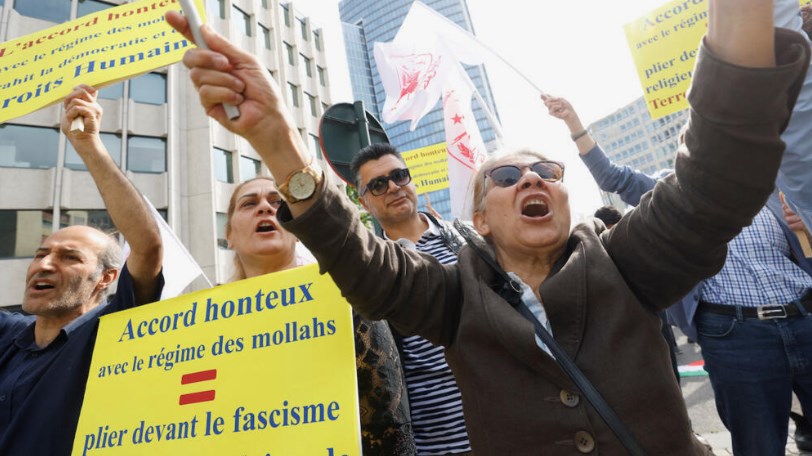
Ali Bagheri, a Brussels-based Iranian activist and secretary of the Iranian Youth Communities in Belgium, says European governments, including Belgium, have largely remained passive while Iranian authorities continue carrying out executions linked to recent anti-government protests. According to Bagheri, the lack of decisive action sends the wrong message to Tehran and leaves many Iranian citizens feeling abandoned by the international community. Belgium ‘mostly silent’ about Iran’s protester executions
Growing Alarm Over Executions
The controversy comes amid reports of a significant increase in executions in Iran following months of political unrest. Human rights organizations and opposition groups have expressed alarm over what they describe as the use of capital punishment to suppress dissent and discourage future protests.
Bagheri argues that many of those facing execution are young people who participated in demonstrations calling for political change. He claims that some prisoners are barely out of their teenage years and that families across Iran are living in fear as more death sentences are handed down. According to activists, the executions have intensified during a period of heightened regional tensions, creating concerns that international attention has shifted away from Iran’s domestic human rights situation.
The issue has become increasingly urgent for members of the Iranian diaspora across Europe, many of whom have relatives and friends still living inside Iran. Activists say they receive frequent reports from families worried about imprisoned loved ones and concerned that trials are being conducted without adequate legal protections.
A Frustrated Diaspora
For many Iranian expatriates, the frustration extends beyond Iran itself. They believe European governments have not matched their expressions of concern with meaningful policy actions. Bagheri, who moved to Belgium in 2015 for academic studies and later established a career in engineering research, says he has repeatedly attempted to draw attention to the situation. He reportedly contacted Belgian officials to raise concerns about executions and political repression but felt the responses lacked concrete commitments. While official statements have condemned human rights violations, activists argue that stronger diplomatic and economic measures are needed. Belgium ‘mostly silent’ about Iran’s protester executions
This sentiment is echoed by several opposition organizations that accuse European leaders of prioritizing strategic and economic considerations over human rights concerns. They argue that decades of engagement with Tehran have failed to improve conditions for ordinary Iranians and have instead emboldened the government.
Calls for Stronger European Action
Iranian opposition groups are urging European governments to adopt a tougher approach. Their demands include expanded sanctions against officials linked to human rights abuses, restrictions on travel for members of Iran’s security establishment, and stronger support for internet access and freedom of communication inside the country.
Activists also want European governments to place greater emphasis on political prisoners during diplomatic discussions with Tehran. They argue that international pressure can help prevent executions and draw attention to cases that might otherwise go unnoticed.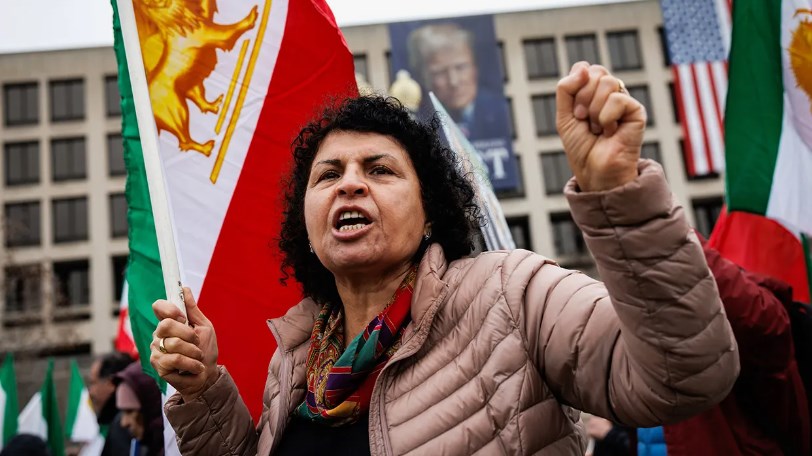
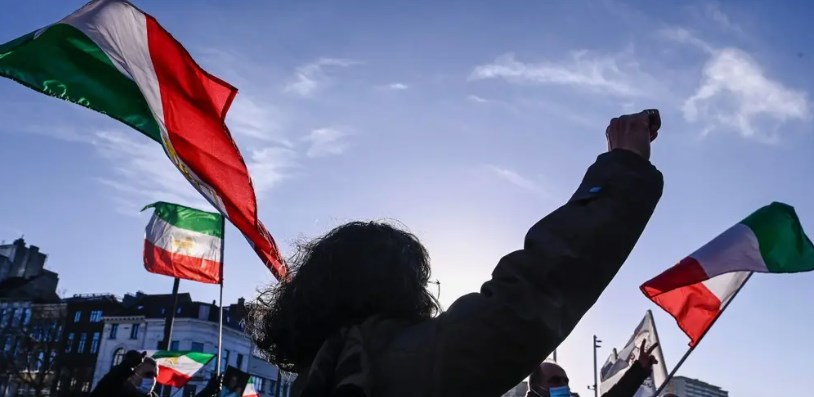
The debate has become particularly visible in Brussels, where demonstrations organized by members of the Iranian diaspora have sought to raise awareness among European policymakers. Protesters have gathered near European institutions carrying photographs of executed prisoners and demanding a stronger response from the European Union. For organizers, these demonstrations are not only about condemning executions but also about ensuring that the broader struggle for political freedoms in Iran remains on the international agenda.
European Parliament Takes a Firmer Tone
While activists criticize national governments for inaction, some have praised recent moves by the European Parliament. In a resolution adopted in May, lawmakers called for tougher sanctions against Iranian officials involved in repression and urged European institutions to respond more forcefully to reports of political executions. The resolution also criticized the use of the death penalty against political opponents and highlighted concerns about restrictions on internet access and civil liberties. Belgium ‘mostly silent’ about Iran’s protester executions
Although European Parliament resolutions do not automatically translate into government policy, activists see them as an important signal that concerns about Iran’s human rights record are gaining attention at the European level. The challenge, however, remains turning political statements into coordinated action among EU member states. Foreign policy decisions often require consensus among governments with differing priorities, making it difficult to implement sweeping measures quickly.
Iran’s Response
Iranian authorities have consistently defended their actions, arguing that those prosecuted were involved in serious crimes or activities that threatened national security. Officials reject accusations that executions are being used to silence peaceful dissent and often portray opposition movements as being influenced by foreign powers. State media has reported that some executed individuals were convicted of espionage or other security-related offenses.
Critics, however, question the fairness of many trials and argue that defendants are frequently denied due process. Human rights organizations have repeatedly raised concerns about access to legal representation, transparency in court proceedings, and the use of coerced confessions. The differing narratives have created a sharp divide between Iranian authorities and international rights advocates, with each side presenting vastly different interpretations of the events. Belgium ‘mostly silent’ about Iran’s protester executions
Human Rights at the Center of the Debate
The dispute highlights a broader question facing European governments: how to balance diplomatic engagement with human rights advocacy. Supporters of a tougher approach argue that silence or limited responses risk normalizing political executions and weakening Europe’s credibility as a defender of human rights. They contend that governments must be willing to impose costs on officials responsible for abuses if they hope to influence behavior. Belgium ‘mostly silent’ about Iran’s protester executions
Others caution that diplomatic channels remain essential, particularly during periods of regional instability. They argue that maintaining communication with Tehran can help reduce tensions and preserve opportunities for negotiation on a range of issues, from security concerns to humanitarian matters . For Iranian activists, however, the issue is personal rather than theoretical. Many say the fate of prisoners currently on death row cannot wait for long-term diplomatic calculations.
Looking Ahead
Despite the challenges, opposition groups remain determined to keep international attention focused on Iran. Large demonstrations planned across Europe aim to maintain pressure on policymakers and highlight the stories of those facing imprisonment or execution. Bagheri and other activists insist that lasting change will ultimately come from within Iran, driven by citizens seeking greater freedoms and democratic reforms. Yet they also believe international solidarity plays a crucial role. Belgium ‘mostly silent’ about Iran’s protester executions
As debates continue in Brussels and other European capitals, the question remains whether governments will move beyond statements of concern and adopt measures that activists believe could help save lives. For many members of the Iranian diaspora, the answer will determine whether Europe is seen as a meaningful ally in the struggle for human rights—or as a bystander during one of the most contentious periods in Iran’s recent history.
About the Author