EU ministers to discuss Ebola outbreak in DRC in special video conference
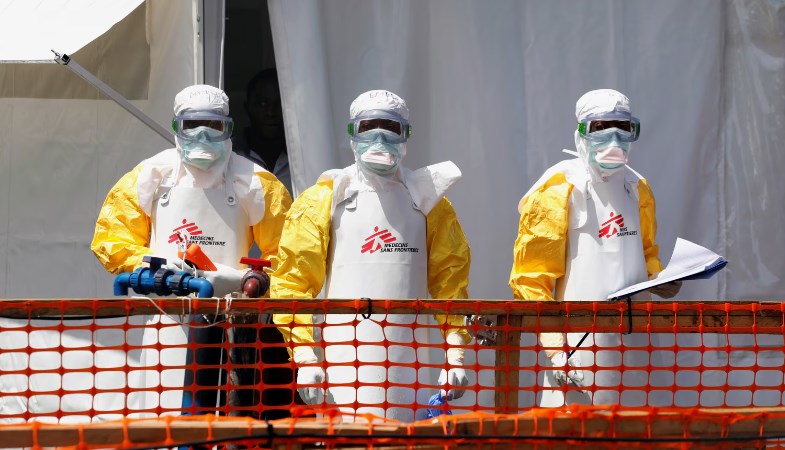
EU ministers to discuss Ebola outbreak in DRC in special video conference – As health officials race to contain a new Ebola outbreak in the Democratic Republic of Congo (DRC), ministers from across the European Union are preparing to hold a special video conference to assess the situation and discuss how Europe can support international response efforts.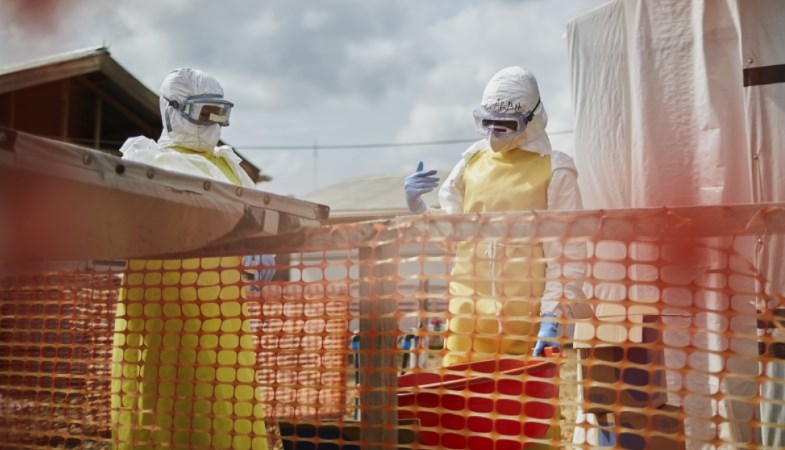
The emergency meeting comes amid growing concern that the outbreak, while currently concentrated in parts of the DRC, could place additional strain on global health systems already dealing with multiple public health challenges. European leaders are emphasizing the importance of swift action, international cooperation, and support for frontline healthcare workers who are battling the deadly virus under difficult conditions.
A Familiar Threat Returns
Ebola is one of the world’s most feared infectious diseases. Known for its severe symptoms and high fatality rate, the virus can spread rapidly if outbreaks are not identified and contained quickly. The disease causes symptoms such as fever, severe weakness, muscle pain, vomiting, diarrhea, and in many cases internal and external bleeding.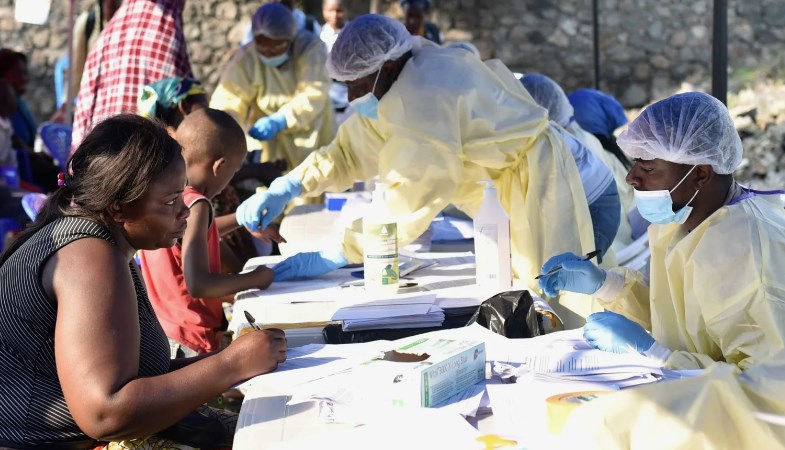
The Democratic Republic of Congo has unfortunately become familiar with Ebola outbreaks over the years. The country has experienced multiple outbreaks since the virus was first identified near the Ebola River in 1976. Despite advancements in medical treatments, vaccines, and outbreak response strategies, the disease remains a serious threat, particularly in regions with limited healthcare infrastructure.
The latest outbreak has prompted immediate concern from both African and international health organizations. Health authorities in the DRC have begun tracing contacts, isolating confirmed cases, and deploying emergency medical teams in an effort to prevent further spread.
Why the European Union Is Paying Close Attention
Although the outbreak is taking place thousands of kilometers away from Europe, EU officials understand that infectious diseases do not respect borders. The COVID-19 pandemic served as a powerful reminder that local health emergencies can quickly evolve into international crises if not addressed early. As a result, European governments have significantly increased their focus on global health security and rapid-response mechanisms.
The special video conference will allow health ministers and senior officials from EU member states to receive the latest updates from experts, coordinate preparedness measures, and determine what additional support can be provided to the DRC and international agencies working on the ground.
Officials are expected to discuss topics including:
- Current outbreak status and transmission patterns
- Availability of vaccines and medical supplies
- Deployment of emergency response teams
- Support for surveillance and testing programs
- Coordination with international organizations
- Preparedness measures within Europe
The meeting reflects a broader understanding that helping contain outbreaks at their source is often the most effective way to prevent wider international consequences.
Lessons Learned from Previous Ebola Crises
The current response effort benefits from valuable lessons learned during previous Ebola outbreaks, particularly the devastating West African epidemic between 2014 and 2016. That outbreak claimed more than 11,000 lives and exposed weaknesses in global health preparedness. It also demonstrated the importance of rapid international coordination, transparent communication, and adequate funding for emergency response operations. EU ministers to discuss Ebola outbreak in DRC in special video conference
Since then, significant progress has been made. Researchers have developed effective vaccines and treatments that can dramatically improve survival rates when administered early. International health agencies have also strengthened surveillance systems and emergency response networks. However, experts warn that success depends on speed.
“The earlier an outbreak is detected and controlled, the better the chances of preventing widespread transmission,” public health specialists frequently emphasize. The EU ministers’ conference is expected to focus heavily on ensuring that resources reach affected communities quickly enough to make a meaningful difference.
Challenges on the Ground
Containing Ebola in the DRC presents unique challenges. Many affected regions are remote and difficult to access. Poor transportation networks can slow the delivery of medical supplies and personnel. In some areas, healthcare facilities are already stretched thin, making outbreak management even more difficult. Community engagement is another critical factor.
Past outbreaks have shown that misinformation, fear, and distrust can undermine public health efforts. Some communities may hesitate to report symptoms or cooperate with health officials, increasing the risk of further transmission.
Health experts stress that successful containment requires more than medical interventions. Building trust, educating communities, and involving local leaders are essential components of any response strategy. International support can help provide funding, expertise, and logistical assistance needed to overcome these challenges.
Europe’s Role in Global Health Security
The European Union has become an increasingly important player in international health emergencies. Over the years, the bloc has contributed financial aid, medical expertise, laboratory support, and humanitarian assistance during outbreaks of Ebola, COVID-19, mpox, and other infectious diseases. European institutions also work closely with organizations such as the World Health Organization (WHO), the African Centres for Disease Control and Prevention, and humanitarian groups operating in affected regions.
By convening a special video conference, EU leaders are signaling their commitment to maintaining vigilance and supporting international efforts before the situation escalates. Many policymakers argue that investments in global health preparedness benefit everyone. Preventing disease outbreaks from spreading internationally protects lives, strengthens economic stability, and reduces pressure on healthcare systems worldwide.
Vaccine Availability Offers Hope
One encouraging difference between current Ebola outbreaks and those seen decades ago is the availability of effective vaccines. Medical breakthroughs have transformed how health authorities respond to Ebola cases. Vaccination campaigns can now be rapidly deployed around confirmed infections using a strategy known as “ring vaccination,” in which close contacts and at-risk individuals are immunized to create a protective barrier around cases.
This approach has proven successful in previous outbreaks and is expected to play a key role in current containment efforts. In addition to vaccines, new treatments have significantly improved survival rates for infected patients. While Ebola remains a dangerous disease, healthcare providers now have more tools than ever before to combat it. EU ministers are expected to discuss how European resources can help ensure that vaccines, treatments, and medical supplies remain available where they are most needed. EU ministers to discuss Ebola outbreak in DRC in special video conference
International Cooperation Remains Essential
Global health experts consistently stress that no country can tackle infectious disease threats alone. The interconnected nature of modern travel and trade means that outbreaks anywhere can become a concern everywhere. Cooperation among governments, health agencies, scientists, and humanitarian organizations is therefore essential.
The upcoming EU conference highlights this principle. Rather than viewing the Ebola outbreak solely as a regional issue affecting Central Africa, European leaders are approaching it as a shared global challenge requiring coordinated action. Such cooperation can include financial assistance, technical expertise, laboratory support, training for healthcare workers, and data sharing among public health authorities.
Looking Ahead
While health officials remain cautious, there is optimism that the outbreak can be contained if response efforts continue swiftly and effectively. The combination of improved surveillance systems, available vaccines, advanced treatments, and stronger international coordination provides advantages that were unavailable during earlier Ebola crises. Still, experts warn against complacency. Every outbreak presents unique challenges, and even a small delay in response can allow the virus to spread further.
The special video conference among EU ministers represents an important step in maintaining international vigilance. By coordinating resources and supporting frontline efforts in the DRC, European leaders hope to contribute to a rapid and effective response that protects both local communities and global public health. As the situation develops, the world will be watching closely, aware that timely cooperation and decisive action remain the strongest defenses against one of humanity’s most dangerous infectious diseases. EU ministers to discuss Ebola outbreak in DRC in special video conference
About the Author