Oppo next flagship could bless your selfies with a 100-megapixel front camera
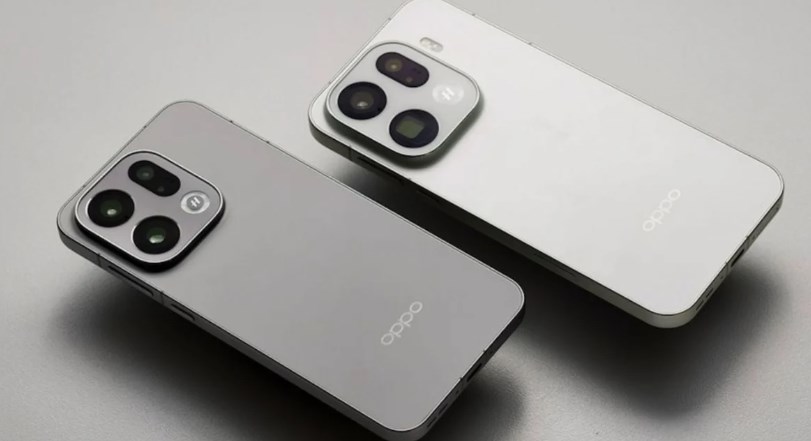
Oppo next flagship could bless your selfies with a 100-megapixel front camera – For years, smartphone manufacturers have been locked in a fierce competition to improve camera technology. While much of the attention has focused on rear camera systems—with larger sensors, periscope zoom lenses, and advanced computational photography—the front-facing camera has often taken a backseat. That may soon change. Oppo next flagship could bless your selfies with a 100-megapixel front camera
According to recent reports and industry rumors, Oppo is preparing a major leap forward in selfie photography. The company’s next flagship smartphone could arrive with an astonishing 100-megapixel front camera, potentially setting a new benchmark for smartphone selfies and video calls.
If the rumors prove accurate, Oppo could once again position itself at the forefront of mobile imaging innovation, delivering a feature that appeals to social media enthusiasts, content creators, vloggers, and anyone who spends a significant amount of time in front of their smartphone camera.
A New Era for Selfie Cameras
The selfie camera has evolved dramatically over the past decade. Early smartphones featured modest front-facing sensors that were designed primarily for video calls. As platforms like Instagram, TikTok, Snapchat, and YouTube exploded in popularity, manufacturers began paying closer attention to selfie performance. Today, flagship devices commonly feature front cameras ranging from 12MP to 50MP. While these sensors have become increasingly capable, a jump to 100 megapixels would represent a significant milestone.
A 100MP front camera would allow users to capture incredibly detailed self-portraits, preserving facial textures, hair details, and background elements with remarkable clarity. For influencers and creators who rely on high-quality imagery, such a sensor could become a game-changing feature.
More importantly, the extra resolution would provide greater flexibility for cropping images without sacrificing detail. Users could zoom into specific portions of a selfie or reframe a shot after it has been taken while maintaining excellent image quality.
Why Megapixels Still Matter
Whenever a smartphone company announces a higher megapixel count, debates inevitably follow. Some critics argue that megapixels alone do not determine image quality, and they are correct. Factors such as sensor size, lens quality, image processing, and software optimization play equally important roles. However, megapixels are not meaningless.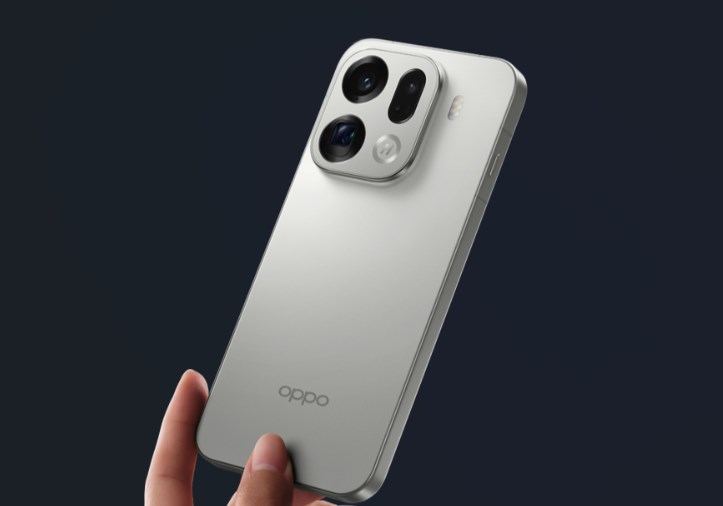
A 100MP sensor can capture substantially more image data than a lower-resolution alternative. When paired with modern image-processing techniques, it can deliver sharper photos, improved digital zoom performance, and enhanced editing flexibility.
Oppo has demonstrated in previous devices that it understands the balance between hardware and software. Rather than relying solely on large megapixel numbers for marketing purposes, the company has invested heavily in computational photography, AI enhancements, and sensor optimization. If Oppo combines a 100MP sensor with advanced image processing, users may see a noticeable improvement in selfie quality under various lighting conditions.
Designed for the Social Media Generation
The rise of social media has transformed smartphone photography. Millions of people use their phones as their primary content creation tools, capturing everything from casual selfies to professional-grade videos. For these users, the front camera is often more important than the rear camera.
TikTok creators film daily content using front-facing cameras. Instagram users rely on selfies for stories and posts. Video bloggers need crisp, detailed footage for their audiences. Remote workers spend hours in virtual meetings where image quality can make a strong impression. A 100MP front camera could help Oppo target these users directly.
Higher-resolution selfies could offer greater detail and more natural skin rendering. Video recordings may benefit from improved sharpness and stabilization. AI-powered portrait modes could create more accurate subject separation, producing professional-looking results without requiring expensive camera equipment. In many ways, the smartphone has become a pocket-sized production studio, and Oppo appears eager to push that concept even further.
Competition in the Flagship Market
The smartphone industry is more competitive than ever. Major brands are constantly searching for features that help them stand out in an increasingly crowded market. Companies such as Apple Inc., Samsung Electronics, and Google have built strong reputations around camera performance. Meanwhile, Chinese manufacturers have become particularly aggressive in camera innovation.
Oppo has consistently pushed boundaries with technologies such as under-display cameras, advanced portrait photography systems, and partnerships with camera specialists. Introducing a 100MP selfie camera would give the company another headline-grabbing feature that differentiates its flagship lineup from rivals. If successful, competitors may eventually follow suit, potentially sparking a new trend in front-camera development across the smartphone industry. Oppo next flagship could bless your selfies with a 100-megapixel front camera
Better Video Calls and Streaming
The benefits of a high-resolution front camera extend beyond photography. Video communication has become a daily necessity for millions of people. Whether attending virtual meetings, participating in online classes, or chatting with family members across the globe, users increasingly depend on front-facing cameras.
A 100MP sensor could improve video quality by capturing more detail and enabling advanced image processing. Features such as AI noise reduction, enhanced dynamic range, and improved low-light performance could help users appear clearer and more professional during video calls. Live streamers may also benefit. Streaming platforms continue to grow in popularity, and higher-quality front cameras allow creators to produce better content without investing in external cameras or complex setups.
Artificial Intelligence Could Play a Major Role
Modern smartphone photography relies heavily on artificial intelligence. A 100MP sensor alone is impressive, but its true potential would likely be unlocked through AI-powered software. Oppo could utilize machine learning algorithms to optimize exposure, sharpen details, reduce noise, and enhance skin tones in real time.
AI could also improve portrait effects, background blur accuracy, and facial recognition capabilities. Some advanced systems can even analyze scenes and automatically adjust camera settings before the user presses the shutter button. As smartphone processors become more powerful, these AI-driven enhancements continue to grow more sophisticated. Combined with a high-resolution sensor, they could help Oppo deliver a photography experience that feels both effortless and professional.
What Else Could the Flagship Offer?
While the rumored 100MP front camera is attracting significant attention, it is unlikely to be the only standout feature of Oppo’s upcoming flagship. Industry observers expect the device to include a premium processor, a high-refresh-rate display, fast charging technology, and a powerful rear camera system.
Battery efficiency, AI integration, and enhanced software features will also likely play important roles in the overall user experience. The front camera may serve as the headline attraction, but flagship buyers typically expect excellence across every aspect of the device. Oppo next flagship could bless your selfies with a 100-megapixel front camera
The Bigger Picture
The rumor of a 100MP selfie camera highlights a broader shift in smartphone design priorities. Manufacturers are increasingly recognizing that users value front-camera performance just as much as rear-camera capabilities. As digital communication, content creation, and social media continue to shape everyday life, the demand for better selfie cameras will only grow. Oppo appears ready to capitalize on that trend.
If the company successfully delivers a 100-megapixel front camera that combines exceptional hardware with intelligent software processing, it could redefine expectations for smartphone selfies and inspire competitors to rethink their own front-camera strategies.
For now, the technology remains unconfirmed, but excitement is already building. Should Oppo turn these rumors into reality, selfie lovers may soon have a compelling new reason to upgrade their smartphones. One thing is clear: the race for the perfect selfie is far from over, and Oppo seems determined to lead the next chapter. Oppo next flagship could bless your selfies with a 100-megapixel front camera
About the Author