iOS 27 could make it far easier to manage your AirPods
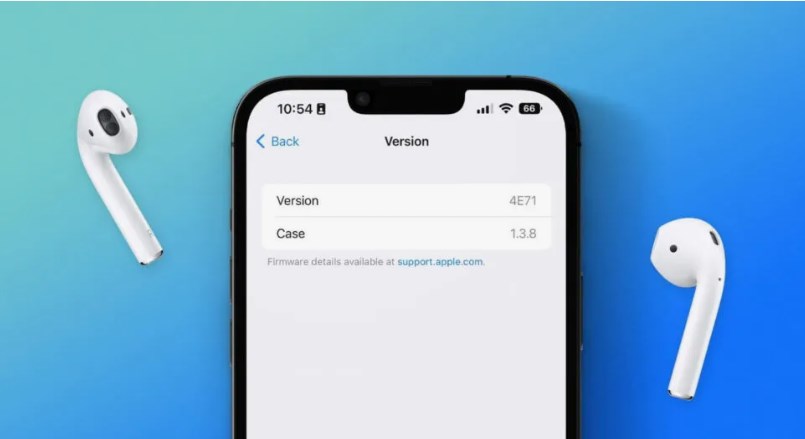
iOS 27 could make it far easier to manage your AirPods – Apple may be preparing one of the most practical AirPods upgrades yet with iOS 27. While recent software updates have focused heavily on AI features, customization, and visual redesigns, a new report suggests Apple is also paying attention to something millions of users deal with every day: managing their AirPods across different devices.
For years, AirPods have been praised for their seamless connection to the Apple ecosystem. Open the case near an iPhone, and the earbuds instantly pair. Switch from an iPad to a MacBook, and audio often follows automatically. It feels magical when it works properly. But longtime users also know the experience can quickly become frustrating when settings, firmware updates, battery management, or device switching fail to cooperate.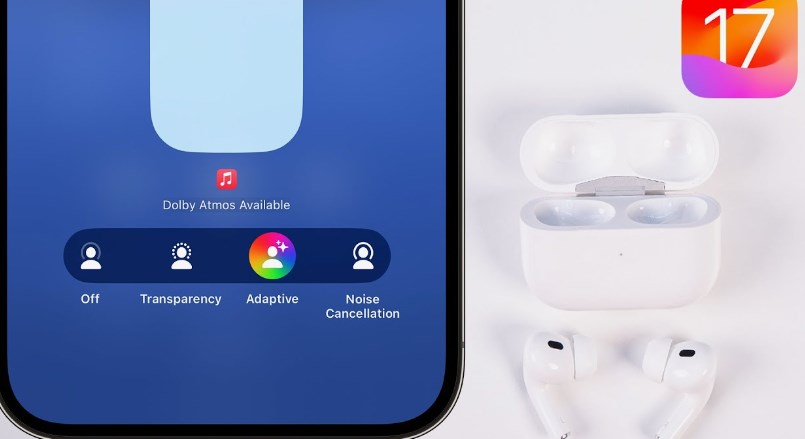
That may finally change with iOS 27. According to early leaks and industry insiders, Apple is working on a more centralized AirPods management system that could dramatically simplify how users control their earbuds. Instead of hiding options across multiple menus and devices, Apple may introduce a dedicated AirPods hub directly inside iOS. If the rumors are accurate, this would represent one of the biggest quality-of-life improvements for AirPods owners since the wireless earbuds first launched in 2016. iOS 27 could make it far easier to manage your AirPods
AirPods Are More Popular Than Ever
AirPods have become one of Apple’s most successful products. What started as a simple wireless audio accessory has evolved into an entire ecosystem of devices, including AirPods Pro and AirPods Max. Today, AirPods do far more than play music. They handle phone calls, provide active noise cancellation, support live translation features, track head movements for spatial audio, and even assist with hearing health features. As Apple continues expanding their capabilities, the settings and controls surrounding AirPods have become increasingly complicated.
Many users currently need to navigate through Bluetooth menus, Control Center, Accessibility settings, Find My, and firmware update processes that remain surprisingly unclear. Even experienced Apple users sometimes struggle to locate certain options. That scattered experience appears to be exactly what Apple wants to fix.
A Dedicated AirPods Dashboard Could Be Coming
One of the biggest rumored additions in iOS 27 is a centralized AirPods dashboard. Instead of accessing settings through the Bluetooth menu, users could see all AirPods-related controls gathered into one cleaner interface. Reports suggest this dashboard may include:
- Battery monitoring for earbuds and charging case
- Noise cancellation controls
- Spatial audio settings
- Firmware update management
- Personalized audio profiles
- Device connection history
- Lost device tracking shortcuts
- Automatic switching preferences
- Microphone settings
- Touch and gesture customization
For users with multiple Apple devices, this could become a major convenience. Currently, changing certain AirPods settings on an iPhone doesn’t always reflect immediately on an iPad or Mac. Apple may finally unify these controls under a single cloud-based system synced through an Apple ID. That means a setting changed on one device could instantly apply everywhere else.
Firmware Updates May Finally Become Easier
One of the most common complaints about AirPods is firmware updating. Unlike iPhones or Apple Watches, AirPods don’t provide a straightforward “Update Now” button. Instead, firmware updates happen silently in the background, often without users even realizing it. This has created years of confusion. Many people have no idea whether their AirPods are running the latest software or how to force an update if something goes wrong.
iOS 27 may finally solve that problem. Leaks indicate Apple could add manual firmware controls for AirPods for the first time. Users may receive notifications when updates are available and have the ability to install them directly from the new AirPods management interface. That would be a huge shift from Apple’s current hands-off approach. It could also reduce support issues tied to buggy firmware rollouts or connection problems.
Better Device Switching Could Be on the Way
Automatic device switching sounded revolutionary when Apple introduced it. In practice, however, the feature has been inconsistent for many users. AirPods sometimes connect to the wrong device, interrupt playback unexpectedly, or bounce between products in frustrating ways. Someone watching a movie on an iPad may suddenly hear audio from an iPhone notification instead. iOS 27 could make it far easier to manage your AirPods
Apple reportedly wants to improve this entire experience in iOS 27. The company may allow users to prioritize devices more intelligently. For example, users could assign a “primary” device during certain times of day or choose manual override rules for work and entertainment setups. Imagine walking into your office and having your AirPods automatically prioritize your MacBook over your iPhone. Later in the evening, the priority could shift back to Apple TV or iPad entertainment. These kinds of smarter automation features could make AirPods feel significantly more reliable.
AI Could Play a Bigger Role
Artificial intelligence is expected to be deeply integrated into iOS 27, and AirPods may benefit as well. Some rumors suggest Apple is exploring adaptive audio intelligence that learns user habits over time. Instead of manually adjusting settings, AirPods could automatically modify noise cancellation, transparency mode, or microphone behavior depending on location and activity.
For instance:
- Noise cancellation may strengthen automatically during flights
- Transparency mode could activate when arriving at the office
- Volume levels may adapt based on surrounding noise
- Battery-saving features could activate during long commutes
Apple has already introduced early versions of adaptive audio technology, but iOS 27 may take these ideas much further. The company is reportedly aiming for a more personalized audio experience powered by machine learning.
Improved Find My Integration
Losing AirPods remains incredibly common. Although Apple’s Find My network already supports AirPods tracking, the experience is still inconsistent compared to tracking devices like AirTags. iOS 27 could improve this with more precise location tracking and expanded recovery tools. Some reports suggest Apple may enhance separation alerts, allowing users to receive smarter warnings before accidentally leaving AirPods behind.
There are also rumors about better offline recovery support, which would help locate missing earbuds even in areas with weak connectivity. For travelers and commuters, these improvements could become especially valuable.
Accessibility Features Could Expand
Apple has increasingly positioned AirPods as accessibility tools rather than simple audio accessories. Recent updates introduced features like Conversation Boost and hearing assistance functions. iOS 27 may continue this trend with more hearing-health-focused tools. Reports suggest Apple could add:
- Enhanced hearing test integration
- Personalized hearing profiles
- Real-time environmental sound analysis
- Smarter voice isolation during calls
- Expanded live listening features
These upgrades could help AirPods serve not only entertainment purposes but also practical communication and hearing support needs.
Why This Matters
On paper, easier AirPods management might not sound as exciting as flashy AI announcements or major visual redesigns. But for millions of users, it could end up being one of the most meaningful changes in iOS 27. Apple’s ecosystem works best when technology fades into the background. The less time users spend troubleshooting settings or managing devices, the more seamless the experience feels. AirPods have reached a point where they’re no longer just accessories. For many people, they are everyday essentials used for work calls, fitness, travel, entertainment, and communication.
As those responsibilities grow, the software experience surrounding them needs to evolve too. If Apple truly delivers a unified AirPods management system in iOS 27, it could eliminate many of the frustrations users have quietly tolerated for years. And while it may not grab headlines the way foldable iPhones or AI assistants do, this kind of practical improvement is exactly the sort of update that users often appreciate most once they experience it firsthand. iOS 27 could make it far easier to manage your AirPods
About the Author