Galaxy S26 launch delay contributed to Apple’s US growth
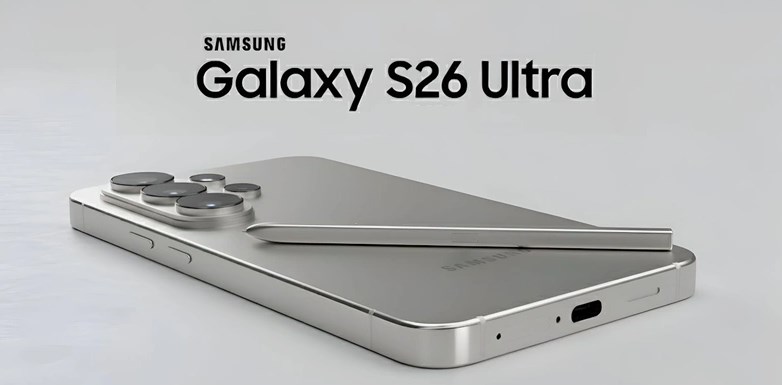
Galaxy S26 launch delay contributed to Apple’s US growth – Samsung’s delay in launching the Galaxy S26 lineup may have created an unexpected opening for Apple in the United States smartphone market. While Samsung has long been one of Apple’s strongest rivals globally, timing plays a massive role in the premium smartphone industry. Any disruption to a major launch cycle can shift consumer attention, influence carrier promotions, and ultimately affect sales momentum. Recent reports suggest that Apple benefited from exactly that situation, strengthening its position in the U.S. market while Samsung worked through delays surrounding its next-generation flagship devices.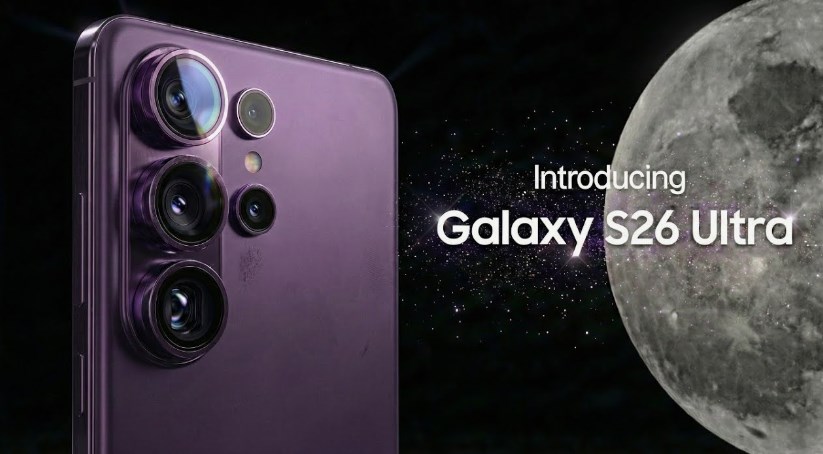
The smartphone industry has become increasingly competitive over the last few years. Consumers are upgrading their phones less frequently, which means companies have fewer opportunities to convince users to switch brands or purchase new devices. Because of this, launch timing is more important than ever. A delayed release can leave a gap in the market, especially during key buying seasons when consumers are actively searching for new devices.
Samsung has traditionally relied on its Galaxy S series to compete directly with Apple’s iPhone lineup. The Galaxy S series represents Samsung’s premium flagship experience, showcasing the company’s latest innovations in design, camera technology, processors, and artificial intelligence features. Normally, Samsung launches its flagship Galaxy S devices early in the year, giving the company a head start before Apple unveils new iPhones later in the fall.
However, reports surrounding the Galaxy S26 suggest Samsung faced scheduling challenges that slowed the device’s arrival. While the company has not publicly detailed every reason behind the delay, industry analysts believe several factors may have contributed. These include supply chain issues, production adjustments, chipset optimization, and increased pressure to integrate advanced AI capabilities that meet rising consumer expectations.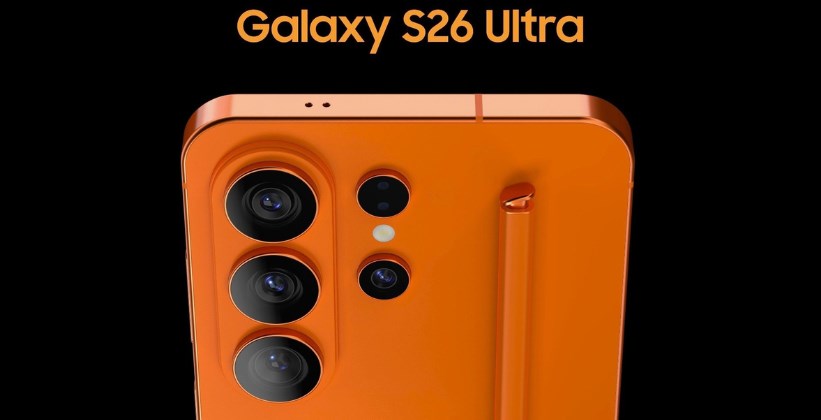
At the same time, Apple maintained a relatively stable release strategy. The company continued to benefit from strong demand for its iPhone lineup in the United States, where brand loyalty remains extremely high. Apple’s ecosystem also continues to play a major role in keeping customers within its product family. Services such as iMessage, FaceTime, AirDrop, iCloud, and seamless integration with devices like the Apple Watch and MacBook make it difficult for many users to switch platforms.
The timing of Samsung’s delay may have amplified Apple’s momentum. Consumers planning to upgrade their smartphones often do not wait indefinitely for an unreleased device. If Samsung’s latest flagship was not available when buyers were ready to make a purchase, many likely turned toward Apple instead. Carriers and retailers also tend to push whichever flagship devices are currently available, particularly during promotional periods.
In the United States, Apple already dominates the premium smartphone segment. Younger consumers especially continue to gravitate toward iPhones, partly because of social and ecosystem factors. A delay from Samsung may have further widened Apple’s lead during an important sales window. Even a small shift in upgrade behavior can translate into millions of devices sold in such a large market.
Another important factor is consumer perception. In the premium smartphone space, delays can sometimes create uncertainty. Customers may begin wondering whether a company is struggling with hardware issues, software optimization, or feature readiness. Even if the final product launches successfully, the anticipation surrounding delays can affect excitement and purchasing decisions.
Samsung has been aggressively investing in artificial intelligence features across its devices. The company’s recent Galaxy AI initiatives have introduced tools focused on live translation, photo editing, note summarization, and productivity enhancements. AI has quickly become the latest battleground between smartphone makers, with Samsung, Apple, and Google all trying to position themselves as leaders in mobile intelligence.
The challenge for Samsung is balancing innovation with reliability. Consumers expect premium smartphones to deliver cutting-edge features without sacrificing battery life, performance, or stability. If Samsung delayed the Galaxy S26 to further refine AI integration or hardware optimization, the decision may ultimately improve the product’s quality. However, the downside is that competitors like Apple gain more uninterrupted time in the market.
Apple itself has also been increasing its focus on AI and software intelligence. Although Apple traditionally moves more cautiously than some competitors when introducing new features, the company often emphasizes polish and long-term usability over rushing technology to market. Many consumers trust Apple’s slower, more controlled rollout strategy because the features usually work consistently across devices.
Carrier partnerships in the United States may have also played a role in Apple’s growth during Samsung’s delay. Wireless providers frequently promote flagship phones heavily through trade-in deals, installment plans, and marketing campaigns. If Samsung lacked a fresh flagship during key promotional periods, carriers likely shifted more attention toward iPhones to maintain upgrade activity.
Economic conditions have added further pressure to the smartphone industry as well. Consumers are being more selective with expensive purchases, especially in the premium category where flagship phones can cost over $1,000. When buyers decide to upgrade, they often choose devices that feel immediately available, dependable, and future-proof. Delays can disrupt that confidence. Galaxy S26 launch delay contributed to Apple’s US growth
Despite the reported setback, Samsung remains one of the most powerful smartphone brands in the world. The company still leads in several global markets and continues to innovate aggressively in foldable phones, display technology, and mobile hardware. Samsung’s foldable lineup, including devices like the Galaxy Z Fold and Galaxy Z Flip series, has helped the company stand apart from Apple, which has yet to release a foldable iPhone.
The Galaxy S26 could still become a major success once it launches. In fact, delays sometimes raise expectations and generate additional attention. If Samsung delivers meaningful improvements in camera performance, battery efficiency, AI tools, and overall user experience, many Android enthusiasts may still view the device as one of the year’s most important smartphones.
For Apple, the situation highlights how consistency can become a competitive advantage. Reliable launch schedules, stable software updates, and strong ecosystem integration continue to strengthen the company’s position in the U.S. market. Even without dramatic hardware changes every year, Apple benefits from customer loyalty and predictable product availability. The broader smartphone market is also shifting toward software experiences rather than pure hardware competition. Most flagship phones today already offer excellent cameras, fast processors, and premium displays. This means ecosystem services, AI capabilities, and long-term support are becoming increasingly important in influencing consumer decisions.
Samsung’s reported Galaxy S26 delay may therefore represent more than just a temporary scheduling issue. It demonstrates how critical timing has become in an industry where customer attention moves quickly and competitors are constantly ready to capitalize on any weakness. Apple appears to have done exactly that in the United States market, strengthening its growth while Samsung worked through launch challenges.
Looking ahead, the rivalry between Samsung and Apple is unlikely to slow down. Both companies are expected to push even harder into AI-powered experiences, advanced chip technology, and ecosystem expansion. Samsung will almost certainly aim to recover momentum with future flagship releases, while Apple will continue leveraging its strong customer base and tightly connected ecosystem. In the end, the Galaxy S26 delay may have given Apple an advantage for now, but the smartphone battle remains far from over. In an industry driven by innovation, timing, and consumer trust, even small disruptions can reshape market dynamics — at least temporarily. Galaxy S26 launch delay contributed to Apple’s US growth
About the Author