Trump says Iran must be stopped despite heavy cost of war – President Donald Trump has once again defended his hardline stance on Iran, insisting that preventing Tehran from developing nuclear weapons is more important than the economic pain Americans may face because of a prolonged conflict. His comments come at a time when rising fuel prices, inflation, and fears of a wider Middle East war are putting pressure on households and businesses across the United States.
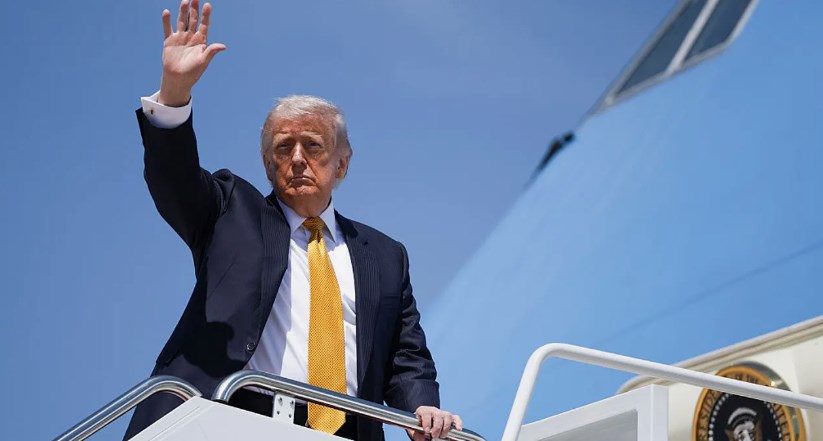
Speaking before departing for a diplomatic trip to China, Trump made it clear that he believes national security must take priority over short-term economic concerns. According to reports, he said Americans’ financial struggles do not influence his decision-making regarding Iran, arguing that the threat of a nuclear-armed Iran outweighs the cost of military action.
The remarks immediately triggered intense debate both inside Washington and around the world. Supporters of Trump argue that Iran’s nuclear ambitions represent a long-term danger that could destabilize the Middle East for decades. Critics, however, warn that the ongoing military confrontation is already damaging the global economy and placing enormous strain on ordinary citizens.
The conflict between the United States, Israel, and Iran has escalated dramatically over recent months. What initially began as targeted military operations has evolved into a broader regional crisis involving airstrikes, naval deployments, cyberattacks, and growing diplomatic tensions. The strategic Strait of Hormuz — one of the world’s most important oil shipping routes — has become a focal point of concern, with disruptions there sending energy prices sharply higher.
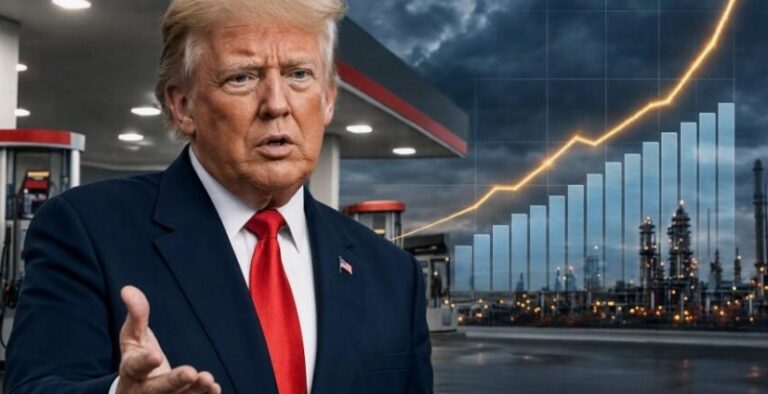
For many Americans, the effects are already being felt in everyday life. Gasoline prices have increased significantly, transportation costs are climbing, and inflation has surged to its highest level in several years. Economists warn that prolonged instability in the Middle East could continue pushing prices upward, affecting everything from groceries to airline tickets. Trump says Iran must be stopped despite heavy cost of war
Despite these economic pressures, Trump has remained firm in his position. He argues that allowing Iran to acquire nuclear weapons would create even greater instability and could eventually lead to a far more catastrophic war. According to intelligence assessments cited in recent reports, Iran is still believed to be months away from developing a nuclear weapon, though Tehran continues to insist its nuclear program is intended only for peaceful purposes.
Trump’s rhetoric toward Iran has long been aggressive. Over the years, he has repeatedly described the country as a dangerous force in the region and warned that the United States would respond forcefully if Iran crossed certain “red lines.” Even before the current conflict intensified, he had argued that strong military pressure was necessary to stop Tehran from expanding its influence.
Still, concerns are growing inside Trump’s own political camp. Some Republican lawmakers and conservative strategists worry that the economic fallout from the war could damage the party ahead of upcoming elections. Rising inflation and energy costs are becoming central political issues, and polls suggest many Americans are increasingly frustrated with the financial burden tied to the conflict.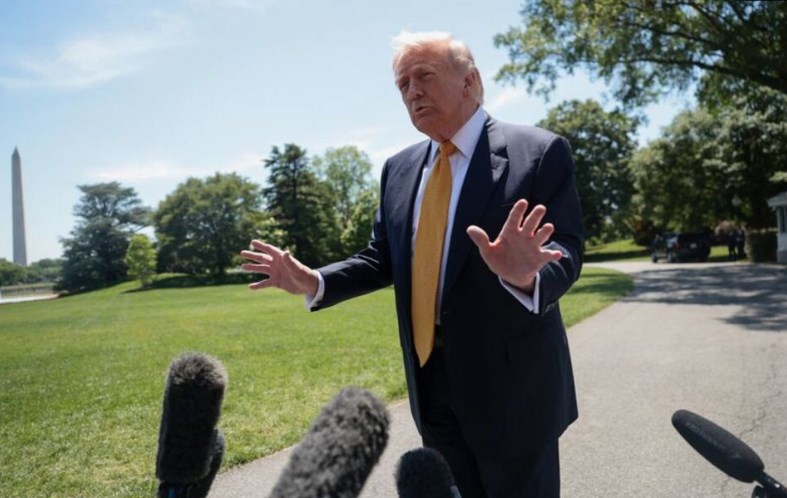
The Pentagon has reportedly estimated that the war has already cost tens of billions of dollars. Congressional hearings have become increasingly heated as lawmakers question how long the United States can sustain such a costly military operation. Critics argue that the administration has not clearly explained what victory would actually look like or how the conflict might end. Trump says Iran must be stopped despite heavy cost of war
At the same time, international anxiety continues to grow. Several countries fear that any further escalation could trigger a broader regional war involving multiple Middle Eastern nations. Global markets remain nervous, especially as disruptions in oil shipments threaten supply chains worldwide. Some analysts have even compared the economic uncertainty to the early days of the COVID-19 pandemic.
Iran, meanwhile, has warned that continued military pressure could have devastating consequences for the global economy. Iranian officials have accused Washington and its allies of pushing the region toward a dangerous breaking point. Tehran has also threatened retaliation if new attacks are launched against its territory.
Public opinion remains deeply divided. Supporters of Trump believe strong action is necessary to prevent Iran from becoming a nuclear power and to protect U.S. allies such as Israel. Others argue that the conflict risks dragging America into another long and expensive war with no clear outcome. Online discussions and political commentary reflect growing frustration, uncertainty, and fear about where the crisis may lead next.
Trump, however, appears determined to maintain pressure. He has repeatedly stated that Iran “cannot have nuclear weapons” and suggested that the United States is prepared to continue military action if necessary. At various points, he has described the conflict as a mission to decisively weaken Iran’s military capabilities while also claiming he hopes to avoid a prolonged war.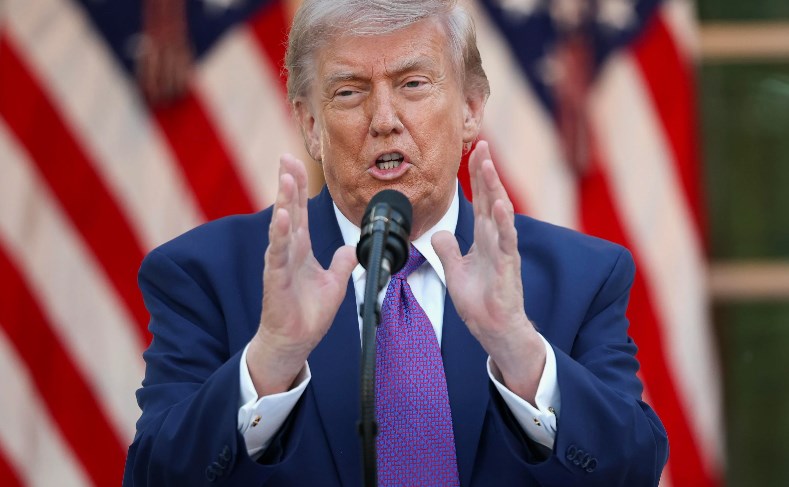
The coming months may prove critical. Diplomatic talks involving China, European nations, and Middle Eastern allies are expected to continue, but the path toward a lasting resolution remains uncertain. Economic pressures are mounting, military tensions remain high, and political divisions inside the United States are deepening.
For now, Trump’s message is clear: in his view, stopping Iran’s nuclear ambitions is worth the cost, even if Americans continue to face rising prices and economic hardship. Whether the public ultimately accepts that argument could shape not only the future of the conflict, but also the political landscape in the United States for years to come. Trump says Iran must be stopped despite heavy cost of war
About the Author