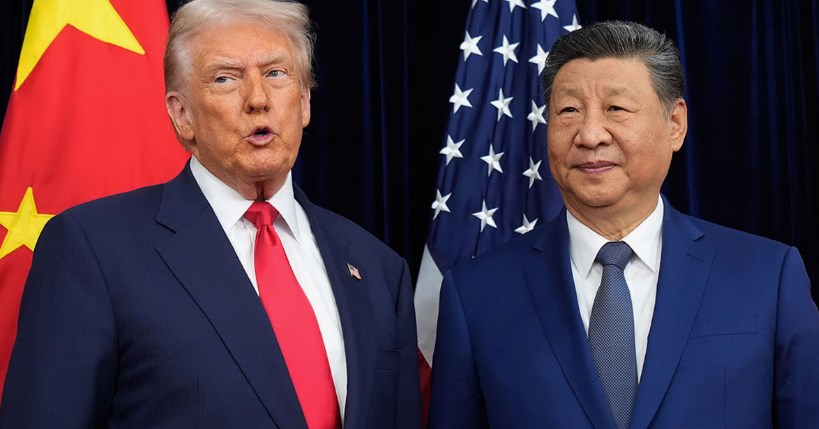
Iran war looms over Trump’s reunion with Xi Jinping in China – As President Donald Trump prepared for his latest high-stakes meeting with Xi Jinping in Beijing, one issue overshadowed nearly every other topic on the agenda: the growing conflict involving Iran. What was once expected to be a carefully staged summit focused on trade, tariffs, and technology has instead become a tense diplomatic balancing act shaped by war, oil markets, and shifting global alliances.
The reunion between the American and Chinese leaders comes at a moment of unusual vulnerability for Washington. Trump enters the talks facing mounting international pressure over the Iran crisis, while China arrives with greater leverage than many analysts expected only a year ago. The summit, therefore, is no longer simply about the future of U.S.-China relations. It is about who holds the stronger hand in a world increasingly defined by instability.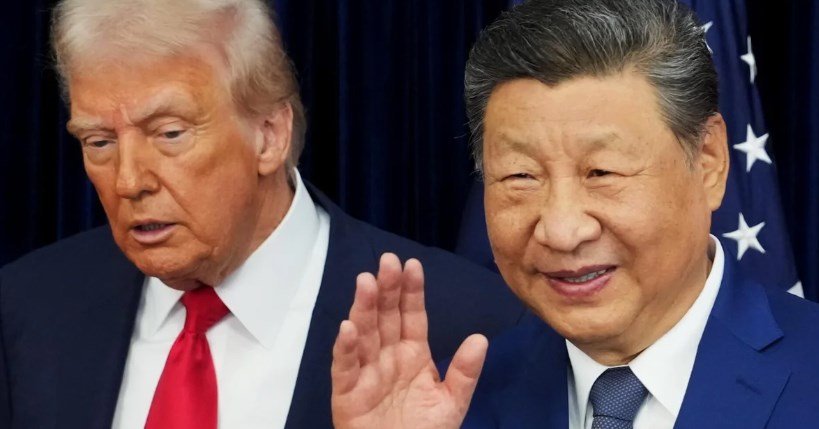
For Trump, the trip carries enormous political weight. His administration had hoped to showcase progress in repairing relations with China after years of bitter tariff battles and economic decoupling efforts. Instead, the worsening situation in the Middle East has forced the White House to seek cooperation from the very country it has repeatedly portrayed as America’s greatest strategic rival.
The Iran conflict has transformed the diplomatic atmosphere surrounding the summit. While the United States and its allies attempt to contain the crisis and prevent wider regional escalation, China has quietly positioned itself as a critical player behind the scenes. Beijing maintains deep economic ties with Tehran, buying large amounts of Iranian oil and maintaining communication channels that many Western governments no longer possess. Those connections now make China one of the few powers capable of influencing Iran’s calculations.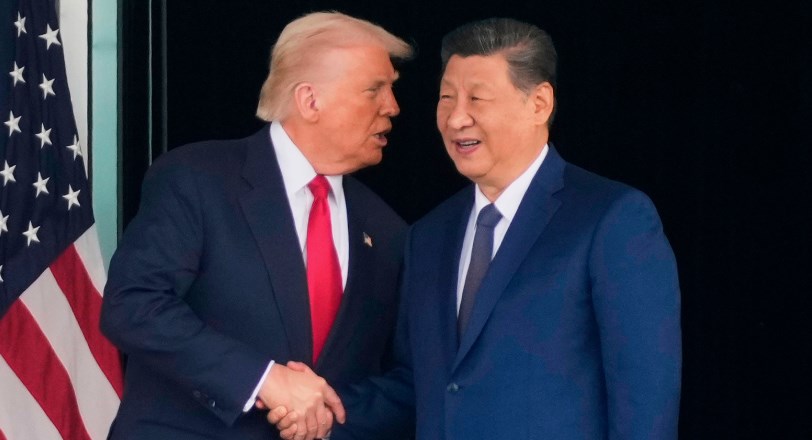
That reality has placed Trump in an uncomfortable position. During his previous presidency, he frequently framed China as an adversary exploiting American weakness through unfair trade practices and technological competition. Yet now, as tensions in the Gulf threaten global energy markets and broader economic stability, Washington appears increasingly eager for Beijing’s assistance.
Analysts say China understands the advantage this gives Xi. Beijing can afford to appear calm and patient while Washington faces urgent political and military pressures. The war has complicated Trump’s broader foreign policy strategy and weakened the negotiating leverage he hoped to bring into Beijing. Iran war looms over Trump’s reunion with Xi Jinping in China
Still, China’s position is not without risks. Although Beijing benefits from America’s distractions, it also depends heavily on Middle Eastern energy supplies. Any prolonged disruption in the Strait of Hormuz could damage China’s economy and threaten global trade routes essential to its export-driven growth. As a result, Xi is expected to push for de-escalation while avoiding direct alignment with either Washington or Tehran.
Behind closed doors, the discussions between Trump and Xi are likely to extend far beyond Iran itself. Trade disputes remain unresolved, especially over tariffs, semiconductor restrictions, and supply chain controls. Taiwan continues to represent another major flashpoint. Beijing is reportedly seeking assurances that Washington will avoid provocative moves regarding Taiwanese independence, while the United States continues pressing China on technology transfers and security concerns.
Yet Iran may ultimately dominate the tone of the summit because it exposes a deeper shift in global power dynamics. Only a few years ago, American policymakers largely assumed China would avoid major involvement in Middle Eastern diplomacy. That assumption no longer holds. Beijing has steadily expanded its influence across the region through trade, infrastructure investments, and diplomatic outreach. The Iran crisis has accelerated that transformation, giving China an opportunity to present itself as a stabilizing force while the United States struggles to contain another conflict.
Trump, however, appears determined to project confidence despite those challenges. Before departing for China, he publicly minimized disagreements with Xi over Iran and insisted relations between the two countries remained strong. The White House also emphasized areas of potential cooperation, including efforts to combat fentanyl trafficking and stabilize global markets. Iran war looms over Trump’s reunion with Xi Jinping in China
Symbolism will play a major role throughout the visit. Chinese officials are expected to provide the kind of carefully choreographed welcome designed to showcase Xi as a global statesman and China as an equal superpower to the United States. But unlike Trump’s celebrated 2017 visit to Beijing, the mood this time is more cautious and uncertain. The backdrop is no longer economic optimism or diplomatic spectacle. It is war.
Business leaders accompanying Trump also reflect the changing priorities of the trip. Executives from major American technology and manufacturing companies are expected to participate in discussions aimed at preserving economic ties despite growing geopolitical tensions. Yet even those conversations are now tied to broader security concerns, particularly surrounding artificial intelligence, semiconductor access, and critical supply chains.
The summit also reveals how interconnected global crises have become. A conflict in the Middle East is influencing trade negotiations in Asia, affecting energy prices in Europe, and reshaping diplomatic relationships worldwide. Trump’s meeting with Xi is therefore not just another bilateral encounter between two world leaders. It is a reflection of an international system where economic competition, military conflict, and political survival are increasingly impossible to separate.
For Xi, the summit presents an opportunity to reinforce China’s image as a patient, disciplined power capable of navigating global instability without the confrontational style often associated with Washington. Chinese officials are expected to emphasize diplomacy, economic cooperation, and regional stability while subtly highlighting the costs of American interventionism. Iran war looms over Trump’s reunion with Xi Jinping in China
For Trump, the stakes are more immediate. A successful summit could help calm markets, reduce tensions with Beijing, and potentially create diplomatic momentum toward easing the Iran crisis. Failure, however, could deepen concerns about America’s global standing and further complicate an already volatile election environment at home.
In many ways, the meeting represents a collision between two very different visions of leadership. Trump favors pressure, unpredictability, and direct confrontation. Xi projects control, patience, and long-term strategy. The Iran conflict has intensified that contrast and raised a larger question hanging over the summit: which approach is better suited for a world entering a new era of geopolitical uncertainty?
As the two leaders sit down in Beijing, both understand that the conversation will shape more than U.S.-China relations. It may influence the future of Middle East diplomacy, global trade stability, and the balance of power between Washington and Beijing for years to come. Under the shadow of war, what was supposed to be a diplomatic reunion has become one of the most consequential meetings of the year. Iran war looms over Trump’s reunion with Xi Jinping in China
About the Author