Xiaomi makes dirt-cheap gadgets, but its CEO just ruled out cheap EVs – For many years, Xiaomi’s worldwide reputation has been based on a straightforward but effective concept: provide startlingly powerful technology at prices that are lower than those of competitors. Affordability has always been the brand’s defining characteristic, from wearables and electric scooters to smartphones and smart home devices. However, that approach is taking an unexpected turn with regard to electric vehicles.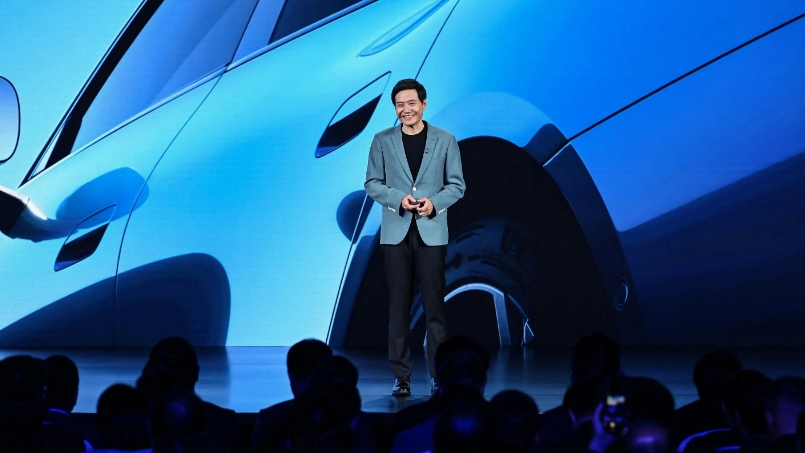 n
n
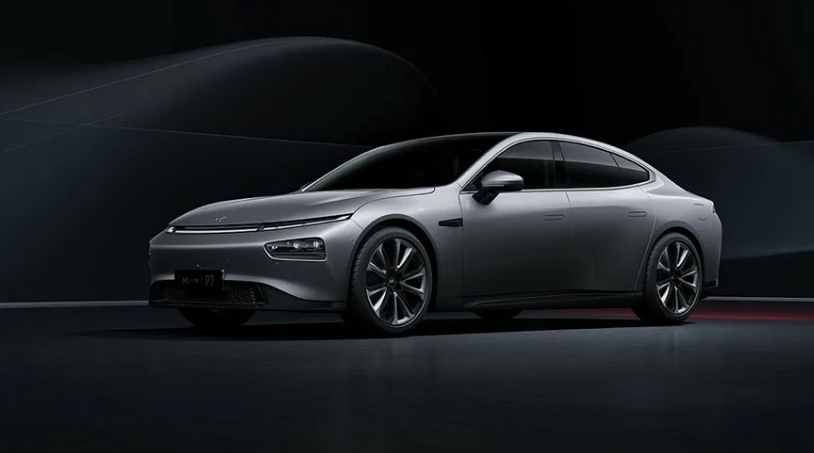
Lei Jun recently revealed that Xiaomi does not want to manufacture ultra-cheap electric vehicles, which surprised both fans and industry observers. This represents a significant departure from what many believed to be the company’s obvious route into the EV industry. After all, why not do the same with cars if Xiaomi could upend smartphones by providing premium-like experiences at low costs?. It turns out that the answer is found in how difficult and dangerous it is to develop electric cars.
A Completely Different Game
Cars are not items that you can afford to “get mostly right,” in contrast to smartphones or smartwatches. They work in an environment where regulatory compliance, safety, and dependability are unavoidable. A small flaw in a phone could result in returns or negative reviews. A car defect could result in recalls, legal action, or worse.
Lei Jun stressed that long-term credibility, not immediate disruption, is the foundation of Xiaomi’s EV aspirations. As it enters a market crowded by established businesses and up-and-coming experts, the company is unwilling to take the chance of sacrificing quality in order to gain attention by building a cheap EV.
The market for electric vehicles is fiercely competitive and capital-intensive, which is reflected in this cautious approach. Businesses like BYD and Tesla have spent years honing their manufacturing procedures, supply networks, and technologies. Profitability is still difficult even after that.
Why Building Cheap EVs Isn’t That Cheap
The concept of a low-cost EV seems simple at first: reduce features, save money, and sell in large quantities. However, an electric car’s battery really costs the most. Range, safety, and longevity all depend on high-quality battery packs, which are not inexpensive.
Xiaomi would probably have to make sacrifices in terms of software integration, build quality, or battery performance if it were to drastically reduce costs. In a market where consumers are becoming more knowledgeable and have higher expectations, that is a risky move.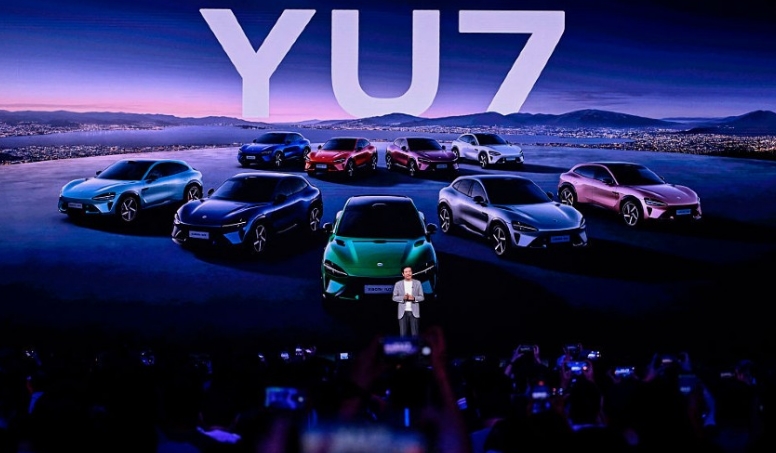
Additionally, the production of automobiles necessitates a significant initial investment in factories, logistics, and post-purchase infrastructure. Even though Xiaomi is a major player in consumer electronics, the automotive industry is very different. Even well-known automakers have found it difficult to maintain competitive pricing while making EV initiatives profitable.
A Premium-First Approach
Xiaomi seems to be learning from its own development in the smartphone market rather than sprinting to the bottom. Although it first became well-known for low-cost gadgets, it has progressively moved upwards, creating high-end versions that rival premium brands. Xiaomi makes dirt-cheap gadgets
Its EV strategy is currently being guided by the same idea. Xiaomi is concentrating on producing a product that can compete with well-known electric automobiles in terms of performance, design, and technology rather than releasing an extremely low-cost vehicle.
This strategy is in line with the organization’s larger ecosystem strategy. Xiaomi creates connected experiences rather than just selling individual devices. It is anticipated that a Xiaomi EV will easily interface with its software platforms, smartphones, and smart home appliances, resulting in a cohesive digital lifestyle. This type of integration necessitates a large investment in software, sensors, and user experience—areas where reducing expenses would compromise the product’s primary attraction.
Taking on a Crowded Market
Particularly in China, where numerous businesses are fighting for supremacy, the EV market is already congested. The rivalry is brutal and intense, ranging from tech-driven startups to established manufacturers. While Tesla has established a premium image supported by robust software and charging infrastructure, companies like BYD have succeeded by striking a balance between affordability and scalability. Entering this market requires Xiaomi to establish a unique personality.
It would probably face off against mass-market competitors with years of manufacturing experience if it went ultra-cheap. Rather, Xiaomi can set itself apart through design, clever features, and ecosystem integration by aiming a little higher.
Takeaways from the Smartphone Sector
Lessons from Xiaomi’s own history are also reflected in this decision. Razor-thin margins initially aided the company’s quick expansion but also constrained profitability. Xiaomi changed its approach over time, launching more expensive goods and broadening its offerings to generate more reliable sources of income. The EV industry necessitates an even more methodical approach. The stakes are huge, the margins are narrower, and the risks are greater. Billions can be lost on a single mistake. Xiaomi is setting itself up for long-term success rather than short-term buzz by resisting the need to pursue the lowest pricing point. Xiaomi makes dirt-cheap gadgets
The Expectations of Customers Are Shifting
The changing perspective of EV purchasers is another element impacting Xiaomi’s approach. Many buyers now place a higher priority on range, charging speed, software features, and overall driving experience, even though pricing is still crucial. To put it another way, they want high-quality electric cars rather than merely cheap ones. This change capitalizes on Xiaomi’s advantages. Delivering value rather than merely low pricing has been the foundation of the company’s brand. Value is providing an attractive blend of functionality, performance, and design at a fair price. While a well-designed mid-range or premium model could improve that reputation, a badly executed budget EV could harm it.
The Path Ahead
Although Xiaomi is still in the early phases of its EV market launch, its plan is starting to become apparent. The business is adjusting to the reality of a new industry rather than attempting to recreate its “cheap gadget” model. Lei Jun’s remarks indicate a readiness to put long-term growth, quality, and brand perception ahead of short-term gains. It’s a practical strategy that recognizes the particular difficulties associated with the production of automobiles. However, Xiaomi is unlikely to completely give up on cost. Rather, it will likely strive for a sweet spot—providing reasonable cost without sacrificing the essential features that characterize a contemporary electric vehicle.
A Change in Strategy, Not a Contradiction
Xiaomi’s position may appear contradictory at first glance. How can a low-cost manufacturer decline to produce affordable EVs?. However, it’s actually a sign of maturity. Different strategies are required for different sectors. Cars don’t always benefit from what works for cellphones. By realizing this, Xiaomi is steering clear of a typical mistake that has caused other tech companies venturing into the car industry to stumble. The choice to stop making extremely low-cost EVs represents a development of Xiaomi’s brand rather than a rejection of it. Xiaomi makes dirt-cheap gadgets
Concluding Remarks
One of the IT industry’s most carefully followed expansions is Xiaomi’s entry into the electric vehicle market. There is a lot of pressure to perform and high expectations. Lei Jun has established the standard for a more measured, calculated approach by excluding extremely cheap EVs. It serves as a reminder that in the world of electric vehicles, quality, trust, and the capacity to provide a product that consumers are willing to depend on on a daily basis are more important than price.
Xiaomi has a good potential of becoming a significant player in the automotive industry if it can apply its skills in software, design, and ecosystem integration. However, it will accomplish this by being among the most intelligent options available, not by being the cheapest. Xiaomi makes dirt-cheap gadgets
About the Author