Google Pixel 11 Pro might not look much different, after all – For years, the design philosophy underlying the Google Pixel family has been about refinement rather than radical reinvention. With each generation, the devices evolve subtly—improving materials, smoothing details, and expanding functionality without totally losing the identity customers recognize. Now, as speculations about the Google Pixel 11 Pro begin to surface, early signs suggest the new flagship may continue that familiar trend. In other words, it might not seem radically different from its predecessor after all.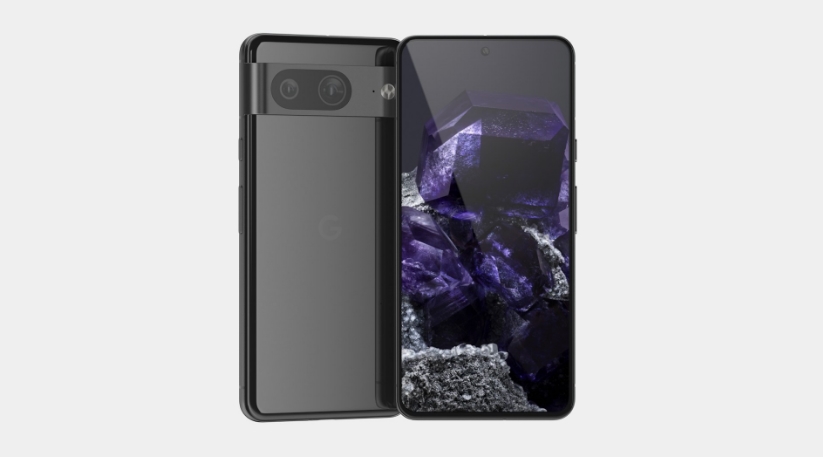
At first look, this may sound disappointing to those expecting a significant cosmetic update. However, a closer look at Google’s design philosophy demonstrates that a consistent look can actually be a strength—especially when accompanied with important internal updates.
A Familiar Design Language
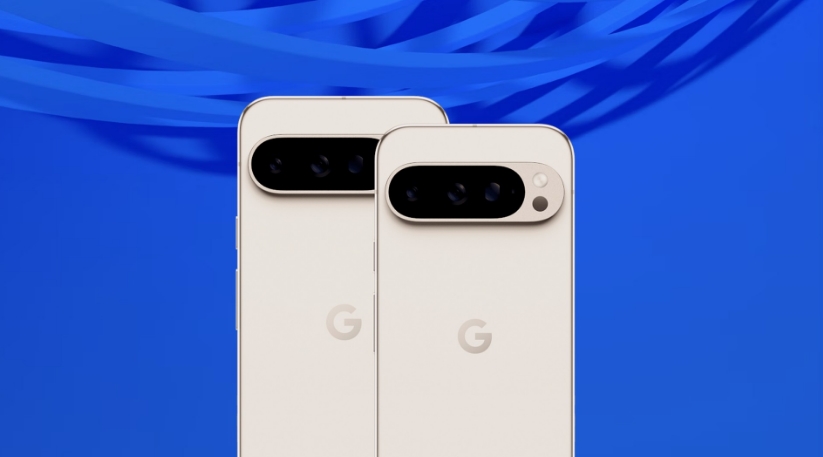
Ever since the introduction of the horizontal camera bar on the Google Pixel 6, Google has pushed heavily into a signature design that immediately marks its phones apart. Unlike the camera clusters employed by competitors such as Apple and Samsung, the Pixel’s visor-style camera bar spans across the rear of the handset. This unusual feature has become synonymous with the Pixel brand.
The Google Pixel 7 Pro and Google Pixel 8 Pro refined that style, providing stronger materials, finer contours, and superior finishes. By the time the Google Pixel 9 Pro and Google Pixel 10 Pro arrived, the general silhouette had already attained a level of maturity that made major alterations unnecessary.
Based on early reports and design leaks, the Pixel 11 Pro is prepared to follow the same way. The iconic camera bar is expected to remain, the general dimensions may stay same, and the premium glass-and-metal construction will likely persist.
Subtle Tweaks Instead of Radical Changes
Rather than rebuilding the phone from scratch, Google seems to be focused on gradual upgrades to the Pixel 11 Pro’s appearance. Small changes could include thinner bezels, a somewhat flatter frame, and potentially lighter materials to improve overall ergonomics.
The camera bar itself may undergo minor modifications. Engineers might simplify its thickness or optimize the way it integrates into the rear panel, making the design feel more seamless. These kinds of adjustments may not stand out immediately, but they can boost durability and comfort in everyday use.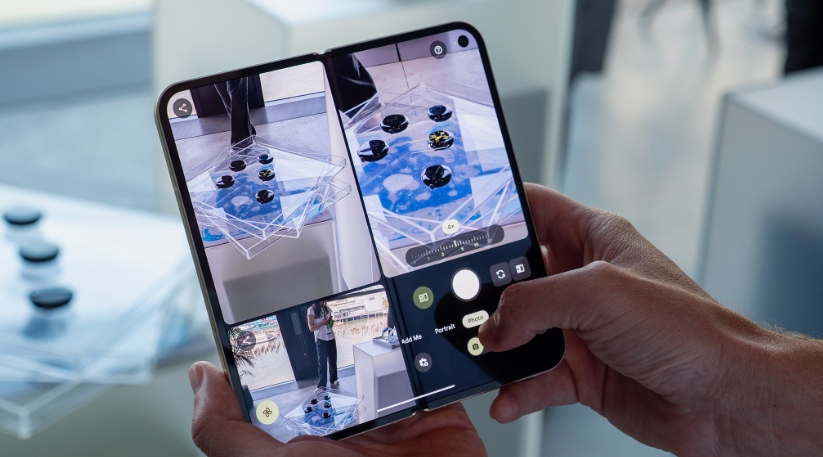
Color variations could potentially play a role in updating the look of the device. Google has historically experimented with distinctive color names and subtle tones, giving each generation its own personality even while the basic design stays identical.
Why Google Prefers Design Consistency
Keeping a consistent design across numerous generations is not unique to Google. In fact, many technological companies actively stick with an identifiable look for several years.
For example, Apple iPhone 15 Pro still mimics the design language launched several generations previously. Likewise, Samsung’s premium portfolio, featuring devices like the Samsung Galaxy S24 Ultra, continues to improve rather than innovate the company’s flagship design.
Consistency creates brand recognition. When someone sees the Pixel camera bar across a room, they quickly know what phone it is. That visual identity has become a significant feature of Google’s hardware strategy.
Another advantage is practicality. Designing an entirely new chassis every year might bring manufacturing issues, increase production costs, and complicate accessory compatibility. By keeping a consistent architecture, Google can focus more work on performance and software innovation.
Internal Upgrades Could Be the Real Story
While the appearance of the Pixel 11 Pro may look familiar, the inside hardware is expected to undergo major enhancements. At the center of the device will presumably be the next generation of Google’s own CPU, the Google Tensor G6 chip. The Tensor series has always prioritized artificial intelligence and machine learning capabilities, powering features such as enhanced photo processing, speech recognition, and real-time translation.
With the Tensor G6, Google might push such AI capabilities even further. Improved on-device processing might enable faster image editing, smarter assistant interactions, and more advanced computational photography features.
Battery efficiency is another area where advances are planned. Even slight increases in chip efficiency can result into longer daily battery life, which remains one of the most crucial aspects for smartphone consumers.
Camera Improvements Behind a Familiar Bar
The camera system is undoubtedly the defining component of every Pixel phone, and the Pixel 11 Pro is unlikely to break that tradition. Although the camera bar design may stay identical, the sensors inside it could see considerable upgrades. Google may deploy larger sensors, increased periscope zoom capabilities, and upgraded image processing techniques.
Pixel phones have long been hailed for their photography prowess thanks to Google’s computational photography techniques. Features like Night Sight, Super Res Zoom, and AI-powered editing tools have allowed Pixel devices to compete with—and occasionally outperform—hardware with larger sensors. If the Pixel 11 Pro develops on these capabilities, it might produce even more stunning results in tough lighting settings and long-distance zoom photography.
Display and Build Quality Enhancements
Another area expected to improve is the display. Google has continually enhanced the screens used in its flagship phones, offering higher brightness levels, better refresh rate management, and increased power efficiency.
The Pixel 11 Pro could include an upgraded OLED panel with increased brightness for outdoor visibility. A dynamic refresh rate of up to 120Hz is almost guaranteed to stay, ensuring smooth navigation and quick animations.
Durability can also deserve consideration. Stronger glass materials and greater water resistance could help the phone better endure ordinary wear and tear. Google Pixel 11 Pro
Software Will Remain a Major Selling Point
One of the reasons Pixel phones maintain a strong fan following is the clean and sophisticated software experience delivered by Android.
The Pixel 11 Pro will likely arrive with the latest version of Android, coupled with exclusive Pixel features powered by Google’s AI intelligence. These could include better voice commands, more powerful call screening features, and improved photo editing capabilities.
Google has also made big promises to long-term software support in recent years, enabling prolonged update cycles for security patches and operating system upgrades. That promise of endurance makes Pixel smartphones especially tempting to those who wish to retain their phones for several years.
Familiar Doesn’t Mean Boring
While some consumers would hope for a completely new design every year, there is value in continuity. The Pixel design has developed into something instantly identifiable, and the Pixel 11 Pro appears set to build on that base rather than replace it. Google Pixel 11 Pro
If the reports prove correct, the device may not look substantially different at first glance. But beneath that same façade, Google may bring considerable advancements in performance, AI capabilities, camera technology, and battery economy.
In many ways, this method replicates how successful products emerge in other industries. Instead of chasing visual novelty, firms tweak what currently works and focus on delivering substantial improvements where it counts most.
The Bigger Picture
Ultimately, the success of the Pixel 11 Pro will rest on how successfully those internal changes translate into everyday user experiences. A phone that looks similar but performs considerably better could still seem like a major leap forward.
As expectation rises, it’s becoming evident that Google isn’t aiming to reinvent the Pixel design with every version. Instead, the corporation appears committed to perfecting it.
If that strategy continues with the Pixel 11 Pro, the outcome might be a smartphone that feels pleasantly familiar—yet smarter, faster, and more capable than ever before. Google Pixel 11 Pro
About the Author