US soldier charged in connection with betting on Maduro raid – An intriguing political thriller with serious real-world ramifications has unfolded involving a soldier from the United States Army Special Forces who is accused of using secret military information to win hundreds of thousands of dollars in internet wagers connected to the detention of Venezuelan leader Nicolás Maduro.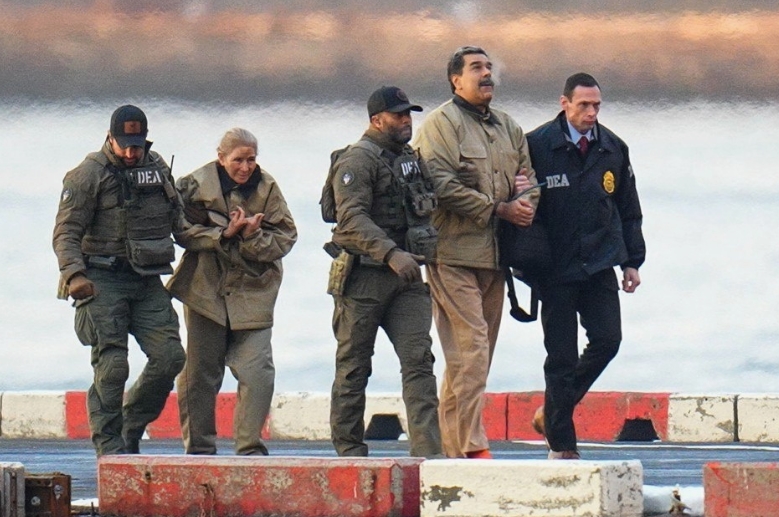
Gannon Ken Van Dyke, the soldier in question, is currently facing a number of grave criminal charges stemming from accusations that he made extremely strategic bets on a prediction market platform using confidential information on a clandestine military operation. National security circles and the rapidly expanding realm of political betting have been rocked by the case.
A Purpose Revived as a Lucrative Opportunity
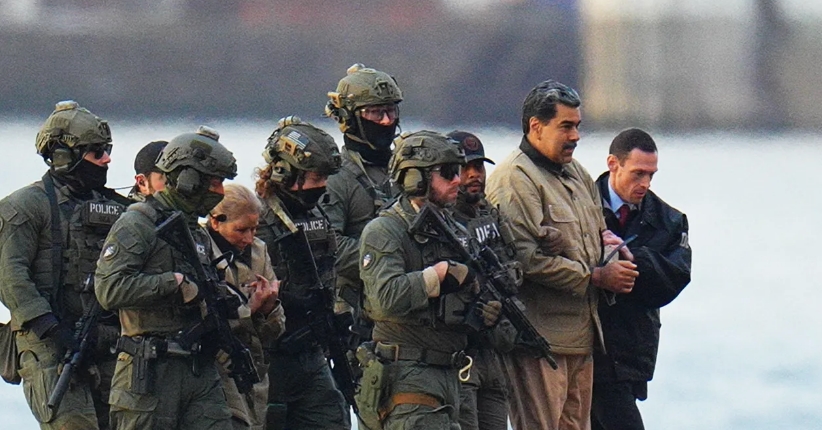
In January 2026, an operation was planned and executed to seize Maduro. Prosecutors claim that Van Dyke was not an outsider but rather an active participant in this process. In his position, he had access to confidential, top-secret details regarding the mission’s schedule, tactics, and expected results. He allegedly utilized the information to bet on real-world events on Polymarket, rather than keeping it secret as is required by law and the military oath.
According to the allegations, Van Dyke reportedly bet roughly $13,000 between December 2025 and January 2026 on various outcomes, including the entrance of U.S. military into Venezuela and the removal of Maduro from office by a certain date. It was mind-blowing. The remarkable return on his tens of thousands of dollars in bets—more than $400,000 in profit—rapidly sparked concerns.
The Charges: A Severe Breach of Trust
Federal prosecutors have charged Van Dyke with various felonies, including wire fraud, commodities fraud, theft of government secrets, and improper use of sensitive data for personal gain. Each of these allegations has substantial punishment, and if convicted, he may face decades behind prison. Officials have not minced words in expressing the seriousness of the issue. For them, this is not simply a financial crime—it’s a betrayal of trust that might have endangered lives and undermined national security.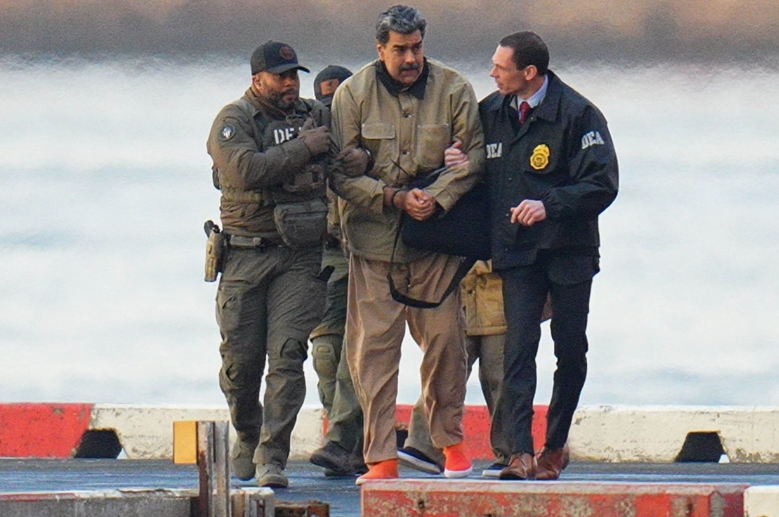
Military personnel, especially those participating in special operations, are entrusted with very sensitive information. That trust is important for mission success and the safety of everyone involved. Violating it for personal benefit strikes at the core of military ethics.
Attempt to Cover His Tracks
What makes the case even more worrisome, prosecutors said, is that Van Dyke allegedly attempted to conceal his actions after the fact. Authorities claim he shifted his gains through cryptocurrency accounts, potentially in an effort to disguise the origin of the monies. He also reportedly urged Polymarket to remove his account, citing a loss of access to his email—an excuse investigators view with mistrust. Such behaviors show understanding of crime, further complicating his legal status. US soldier charged in connection with betting on Maduro raid
The Rise—and Risks—of Prediction Markets
At the center of the lawsuit is Polymarket, part of a rapidly expanding business known as prediction markets. These services offer users to gamble on the possibility of future occurrences, ranging from elections to geopolitical developments.While they are typically presented as instruments for gathering public opinion or anticipating outcomes, critics have long warned about their potential for abuse—especially when members have access to insider information. This case appears to validate their fears.
In fact, investigators claim this may be one of the first big criminal cases involving insider trading on a prediction market. It exposes a legal gray area that regulators are now scrambling to address. The engagement of authorities like the U.S. Department of Justice and financial regulators demonstrates how seriously the government is treating the matter.
A Broader Warning
Beyond the specific case, the accusations against Van Dyke carry a clear message: classified information is not a commodity to be traded. Officials have highlighted that anyone with security clearance—whether in the military, intelligence services, or government—will be held accountable if they attempt to profit from nonpublic information. The message is particularly important in an era where digital platforms make it easier than ever to place bets anonymously and move money across borders. Even still, this case indicates that such efforts are far from invisible.
Political and Ethical Fallout
The case has also spurred larger debate about the interplay of politics, finance, and modern technology. Some observers have drawn analogies to insider trading in traditional financial markets, where utilizing nonpublic knowledge for profit is legally banned. Others say that prediction markets create distinct issues that existing regulations are not completely able to tackle. US soldier charged in connection with betting on Maduro raid
Meanwhile, public reaction has been a combination of fury and astonishment. For many, the thought that a soldier would bet on the outcome of a mission—one that could include life-and-death consequences—raises significant ethical problems. Was this simply a matter of greed? Or does it speak to bigger concerns in how sensitive information is handled in the digital age?
What Happens Next?
Van Dyke is anticipated to face trial in federal court, where prosecutors will attempt to prove that he knowingly and intentionally utilized secret material for personal advantage. His defense, which has not yet been fully stated, may focus on disputing the nature of prediction markets or the interpretation of the information he employed. Regardless of the decision, the case is likely to have lasting ramifications. It could lead to stronger rules on prediction platforms, stricter control of workers with access to confidential information, and new legal precedents for managing insider trading in nontraditional markets. US soldier charged in connection with betting on Maduro raid
A Cautionary Tale
At its root, this story is about more than one individual’s alleged misbehavior. It is a cautionary tale about the temptations that occur when access, opportunity, and technology interact. For Van Dyke, what may have seemed like a savvy strategy to capitalize on inside knowledge has turned into a life-altering legal struggle. For governments and regulators, the case serves as a wake-up call—one that underlines the need to adjust rules and safeguards to a fast changing environment.
And for the public, it offers a unique view into the hidden perils of combining national security with financial speculation.In the end, the conclusion of this case will not just determine one man’s fate—it may also affect how future conflicts, information, and markets meet in an increasingly interconnected society. US soldier charged in connection with betting on Maduro raid
About the Author