Apple Watch could soon enable a new blood pressure sensing feature
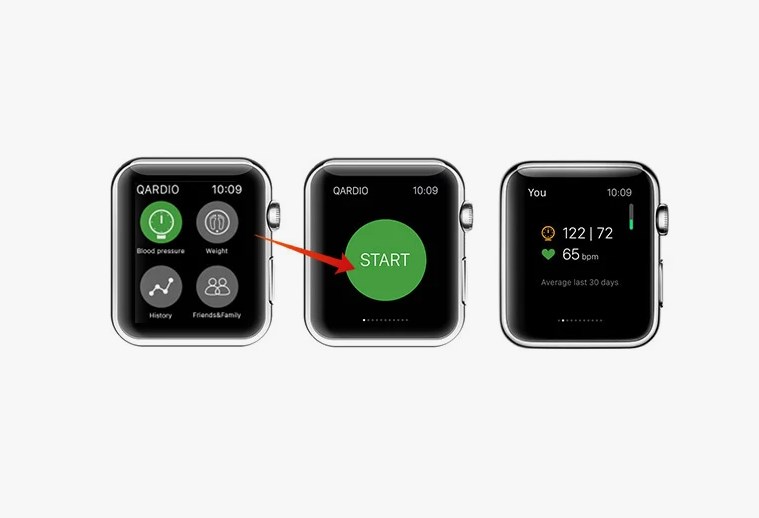
Apple Watch could soon enable a new blood pressure sensing feature – For years, the Apple Watch has steadily evolved from a stylish smartwatch into a powerful health companion. What began as a device for tracking steps, workouts, and notifications has now become an increasingly sophisticated piece of wellness technology capable of monitoring heart rhythms, detecting falls, tracking sleep patterns, and even estimating body temperature. Now, reports suggest the next major leap could involve one of the most important health metrics of all: blood pressure monitoring.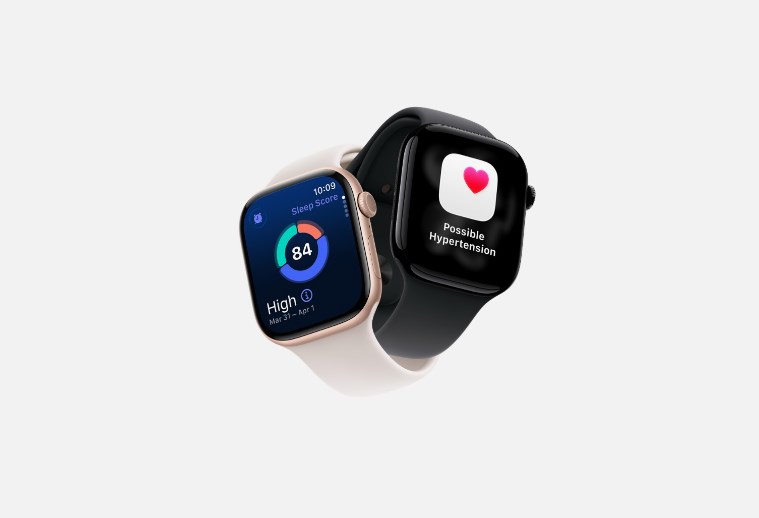
According to recent industry rumors and supply chain leaks, Apple may soon introduce a new blood pressure sensing feature to future Apple Watch models. While the company has not officially confirmed the capability, analysts and insiders believe the feature is actively being developed and could become one of the headline additions in an upcoming version of the smartwatch. If successful, the technology could reshape how millions of people manage cardiovascular health and potentially help users identify early warning signs of hypertension before serious complications occur.
Why Blood Pressure Monitoring Matters
Blood pressure is one of the clearest indicators of overall cardiovascular health. High blood pressure, also known as hypertension, affects hundreds of millions of people worldwide and is often referred to as a “silent killer” because symptoms may not appear until significant damage has already occurred. Doctors have long stressed the importance of regular monitoring, especially for adults over 40 or those with a family history of heart disease. However, traditional blood pressure monitoring usually requires a cuff-based machine that inflates around the arm to measure pressure levels. While accurate, these devices are not exactly convenient for continuous use throughout the day.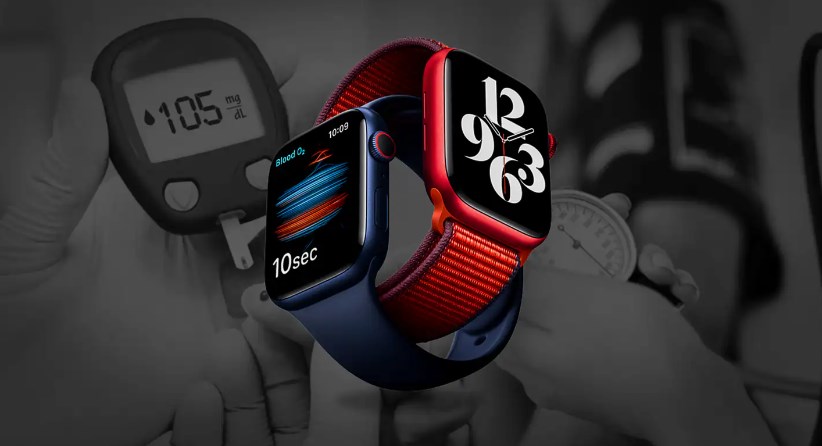
That is where wearable technology comes in. The idea of checking blood pressure directly from a wrist device has been a goal for many tech companies over the past decade. Several smartwatch makers have experimented with the concept, but achieving medical-grade accuracy in a compact wearable has proven extremely difficult. Apple appears determined to tackle that challenge.
A Different Approach From Traditional Monitors
Rather than replacing traditional cuff-based readings entirely, Apple’s rumored feature may work differently. Reports indicate the Apple Watch could focus on detecting trends and warning signs associated with elevated blood pressure instead of providing precise systolic and diastolic numbers immediately. In practice, this could mean the watch alerts users when it detects signs of hypertension or unusual blood pressure patterns over time. The device may then encourage users to seek medical advice or perform a more accurate reading using a conventional monitor.
This approach would align with Apple’s broader health philosophy. The company often positions its health tools as preventative aids rather than standalone medical devices. Existing features such as irregular heart rhythm notifications and ECG readings already operate in a similar manner by helping users identify potential issues early. The advantage of trend-based monitoring is that it may be easier to implement reliably in a wearable format. Tiny sensors on the watch could continuously gather data related to blood flow, heart activity, and vascular behavior without requiring bulky hardware. Apple Watch could soon enable a new blood pressure sensing feature
The Technology Behind It
While Apple remains secretive about its development work, experts believe the company could use a combination of optical sensors, machine learning, and advanced algorithms to estimate blood pressure changes. Modern smartwatches already use photoplethysmography, commonly known as PPG sensors, to measure heart rate. These sensors shine light into the skin and analyze how blood moves through blood vessels. Combined with other biometric data, they may help detect subtle changes linked to blood pressure fluctuations.
Machine learning would likely play a major role as well. By analyzing massive amounts of health data, the system could learn to identify patterns associated with rising or falling blood pressure levels. Apple has reportedly spent years refining this technology because accuracy remains the biggest hurdle. Blood pressure can change rapidly depending on stress, movement, posture, hydration, and countless other factors. Delivering reliable readings from a wrist-based device is far more complicated than measuring heart rate. Still, Apple has a strong track record of entering markets later than competitors but delivering more polished experiences once the technology matures.
Apple’s Growing Healthcare Ambitions
The push toward blood pressure monitoring fits perfectly within Apple’s larger healthcare strategy. Over the past several years, the company has aggressively expanded the health capabilities of the Apple Watch. Features such as ECG support, blood oxygen monitoring, menstrual cycle tracking, sleep analysis, and fall detection have transformed the device into something much more than a smartwatch. In many cases, these features have had real-world impact. Numerous users have shared stories of the Apple Watch detecting heart abnormalities or alerting emergency services after accidents. Apple Watch could soon enable a new blood pressure sensing feature
Apple CEO Tim Cook has repeatedly hinted that healthcare could become one of the company’s most significant long-term contributions to society. Industry observers often point to the Apple Watch as the centerpiece of that vision. Adding blood pressure sensing would represent another major milestone. It could also make the Apple Watch even more appealing to older consumers and health-conscious users who prioritize wellness features over traditional smartwatch functions.
Competition in the Wearable Market
Apple is not alone in pursuing blood pressure technology. Companies such as Samsung have already introduced blood pressure monitoring on select smartwatches in certain regions. However, these systems often require regular calibration using a traditional cuff monitor. Other wearable brands are experimenting with similar ideas, but few have managed to achieve widespread medical acceptance or regulatory approval.
Apple’s strength lies in its ecosystem integration and user trust. If the company can deliver a seamless and relatively accurate experience, it may set a new benchmark for wearable health technology. The company also benefits from tight integration between hardware, software, and services. Health data collected from the Apple Watch syncs directly with the Health app on the Apple ecosystem, allowing users to track long-term trends and share information with healthcare providers more easily.
Potential Challenges Ahead
Despite the excitement, significant challenges remain. Regulatory approval is one of the biggest obstacles. Health-related features often require clearance from agencies such as the U.S. Food and Drug Administration before they can be marketed for medical purposes. Apple must also avoid overpromising. Blood pressure monitoring is highly sensitive, and inaccurate readings could create unnecessary anxiety or provide false reassurance. Apple Watch could soon enable a new blood pressure sensing feature
Battery life may become another concern. Continuous monitoring features consume power, and Apple will need to balance advanced health tracking with practical daily usage. Privacy is also a major issue whenever health data is involved. Apple has consistently emphasized its commitment to user privacy, but expanding health monitoring capabilities will likely increase scrutiny over how biometric data is stored and protected.
What This Could Mean for Users
If Apple successfully introduces blood pressure sensing, it could fundamentally change how people interact with their health on a daily basis. Instead of relying on occasional doctor visits or infrequent home measurements, users could gain ongoing insight into cardiovascular trends. Early warnings might encourage healthier habits, quicker medical consultations, and better long-term outcomes.
For people already diagnosed with hypertension, the feature could provide additional peace of mind and help them stay more aware of fluctuations throughout the day. Even users without existing conditions may benefit from greater awareness about stress, exercise, sleep, and lifestyle factors that influence heart health.
Looking Toward the Future
The future of wearable technology increasingly revolves around proactive healthcare rather than simple convenience. Smartwatches are evolving into miniature health hubs capable of collecting and analyzing data that once required specialized medical equipment. For Apple, blood pressure sensing could become another defining feature that strengthens the Apple Watch’s reputation as one of the most advanced consumer health devices available.
While questions about timing and accuracy remain unanswered, the possibility alone highlights how rapidly wearable technology is advancing. A decade ago, the idea of detecting heart conditions from a watch sounded futuristic. Today, it is already part of everyday life for millions of users. If Apple manages to bring reliable blood pressure monitoring to the wrist, the next chapter of digital health may arrive sooner than expected. Apple Watch could soon enable a new blood pressure sensing feature
About the Author